Starting with a learning goal instead of an invitation
It is natural to hope a child will learn something while playing. A pile of blocks might suggest shapes, counting or balance. But when an adult begins with a goal such as “Today we will practice colors,” the child may feel there is a right way to use the blocks. If they want to build a pretend garage instead, the activity can become a tug-of-war between the adult’s plan and the child’s idea.
Try offering materials and seeing what catches the child’s attention before adding a suggestion. You might say, “What are you making?” or simply join in by placing a block nearby. Learning can still happen through stacking, pretending and starting over; it does not need to be announced in advance. For younger children, a few safe, easy-to-handle objects may be plenty. Older children may enjoy choosing their own materials or inventing a shared challenge.
Asking too many questions
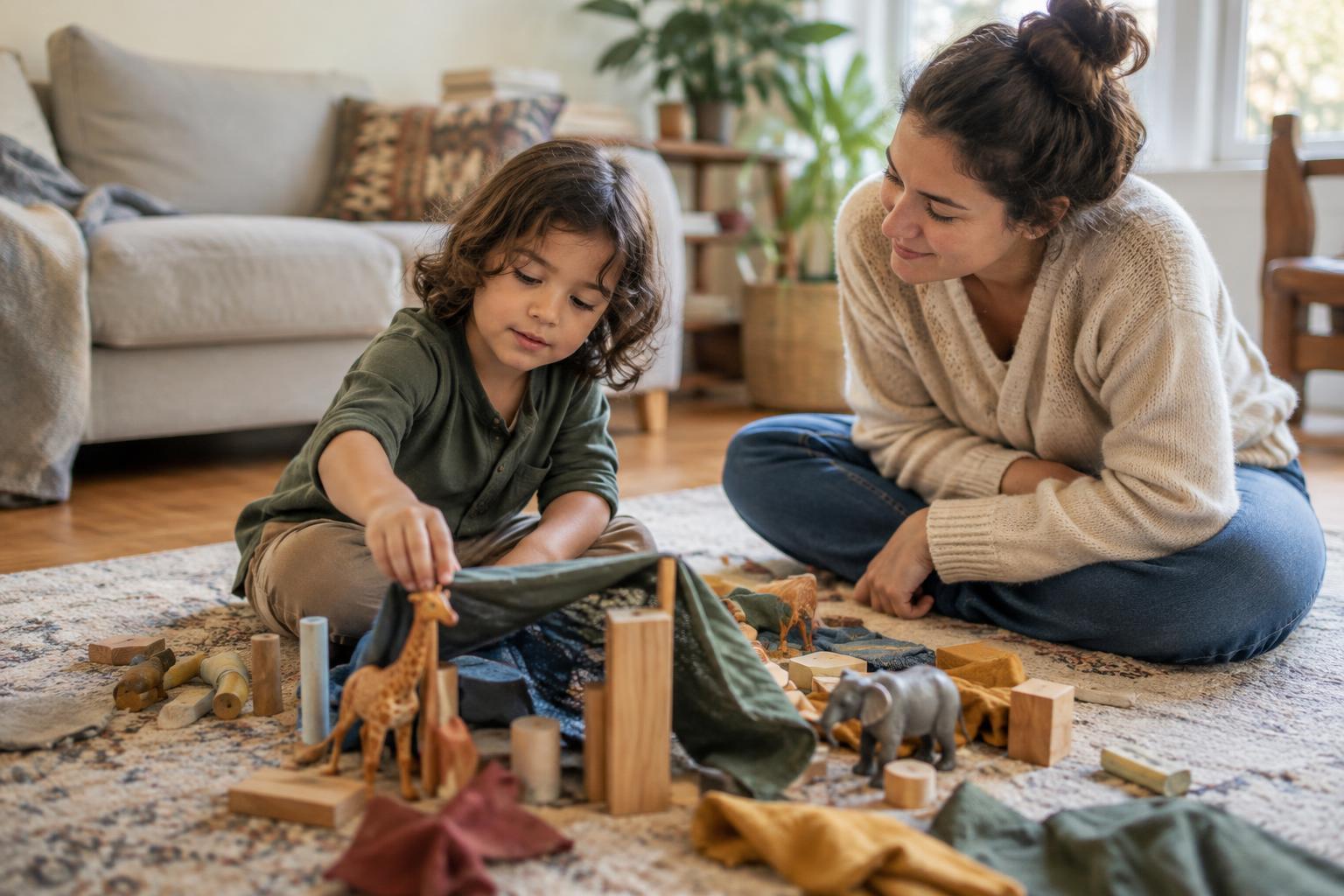
Questions can show interest, but a steady stream of “What color is that?”, “How many do you have?” and “What comes next?” can make play feel like a quiz. Even when the child knows the answers, stopping to respond may interrupt their train of thought. A child who is quietly arranging toy animals might be working through a story that is not yet visible to anyone else.
Instead of checking what a child knows, comment on what you notice: “You put the little animals under the table,” or “That tower is getting taller.” Then pause. The child can respond, keep playing or invite you further in. If they ask a question, you can answer simply or explore it together. Conversation is often easier when it grows out of what the child is already doing.
Correcting the play before it has a chance to develop
Adults may be tempted to show the proper way to complete a puzzle, mix paint colors or build a sturdy bridge. Help can be welcome, especially when a child asks for it or becomes frustrated. But correcting every attempt may shift the focus from experimenting to getting an approved result. A lopsided bridge, an unusual color choice or a puzzle piece turned the wrong way can be part of figuring things out.
Before stepping in, give the child a moment to try. If they seem stuck, offer a small choice: “Would you like a hint, or do you want to keep trying?” For a younger child, you might make the task easier by moving a few pieces within reach. For an older child, you could ask what they want their creation to do and help them test an idea. The aim is not to withhold help, but to let the child keep a sense of ownership.
Taking over to make something impressive
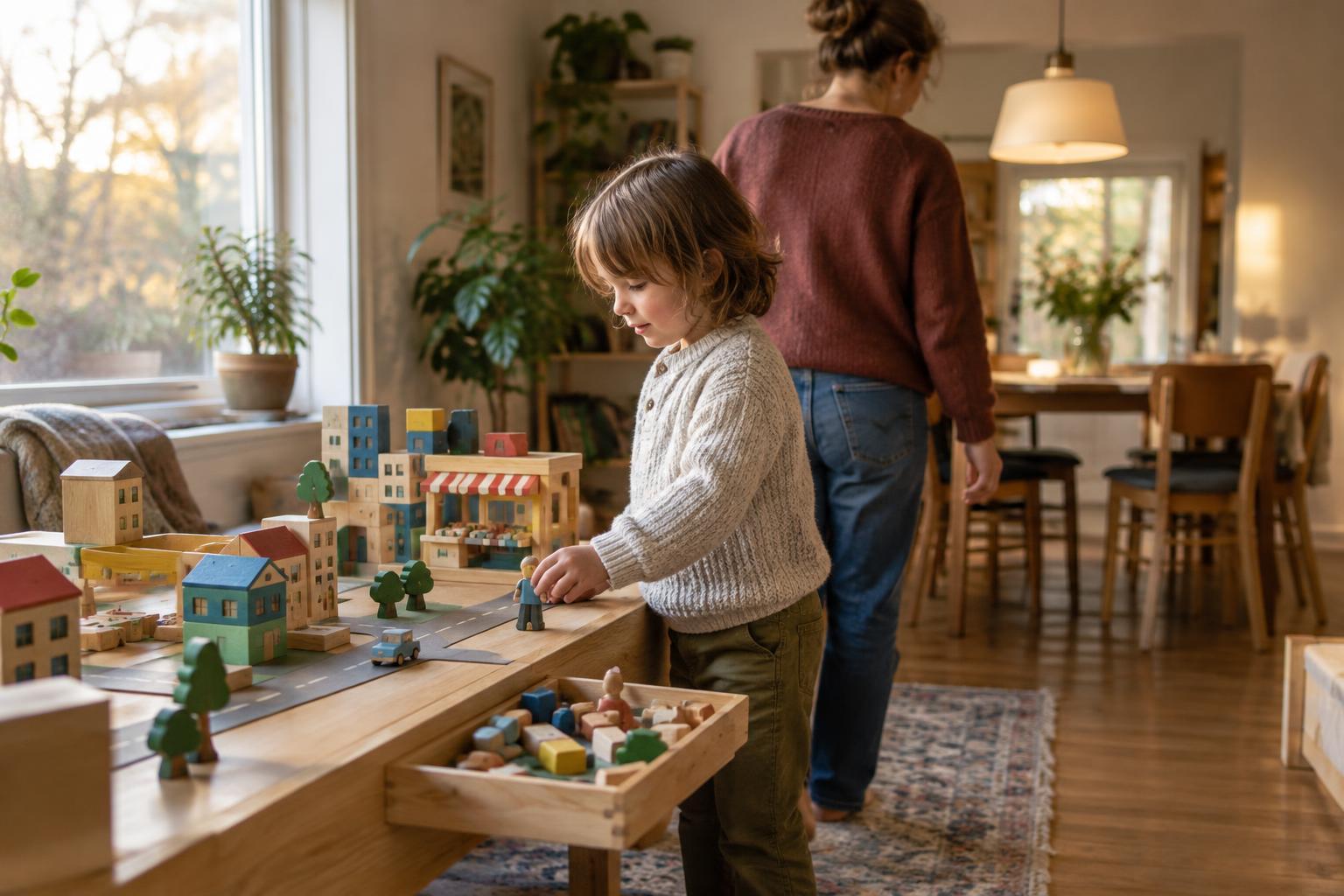
A craft or construction project can quietly become an adult project. Perhaps the child wants to tape cardboard boxes together, while the adult imagines a neat model house. When the adult makes most of the decisions and finishes the tricky parts, the result may look polished, but the child has less space to make choices. The same thing can happen in pretend play when an adult keeps steering the story toward a planned ending.
Consider asking yourself whose idea is leading. You can handle a task that needs adult help, such as cutting thick cardboard, while leaving decisions about the design to the child. If they invite you into a game, ask what role they would like you to play. It is fine to contribute an idea, then accept it if the child takes the story somewhere else. The shared experience matters more than a tidy finished product.
Treating every playful moment as a chance to teach
Play does not have to demonstrate a skill to be worthwhile. Repeating the same silly sound, moving toy cars back and forth or spending a long time pretending to cook may look simple to an adult. For the child, repetition may be enjoyable, comforting or a way to explore what happens next. Turning each moment into a lesson can make it harder for both of you to relax.
There is room for adult-led activities, especially when a child enjoys learning a new game or asks to be shown how something works. The difference is whether there is also time for play with no expected outcome. Try keeping some materials available for open-ended use, allowing a little extra time before cleanup when practical, and following the child’s lead for a few minutes. If play feels connected and the child is engaged, you do not need to add a lesson to make the time count.