Make room for more than one answer
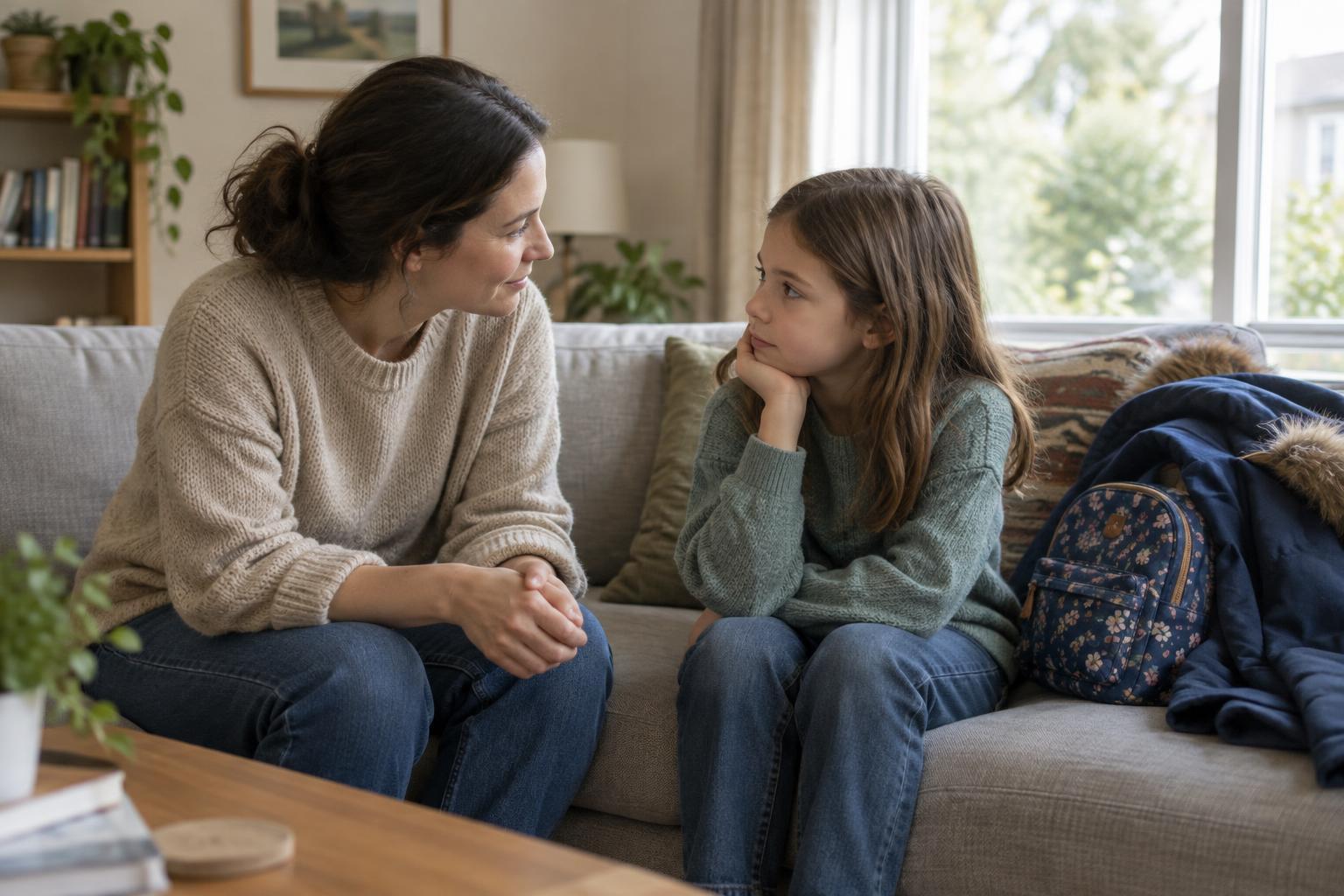
“Did you have a good day?” is easy to ask, but it can be hard to answer. A child might say “yes,” “no” or “fine” and move on. An open-ended question gives them more room: “What part of your day would you like to tell me about?” It does not assume the day was good, and it lets the child choose where to begin.
Open-ended questions often start with what, how or tell me about. They are invitations, not a test of memory or a request for a polished story. If a child offers only a few words, that can still be a beginning. Listening to those words and following their lead is often more useful than asking a long list of prepared questions.
Start with what is already happening
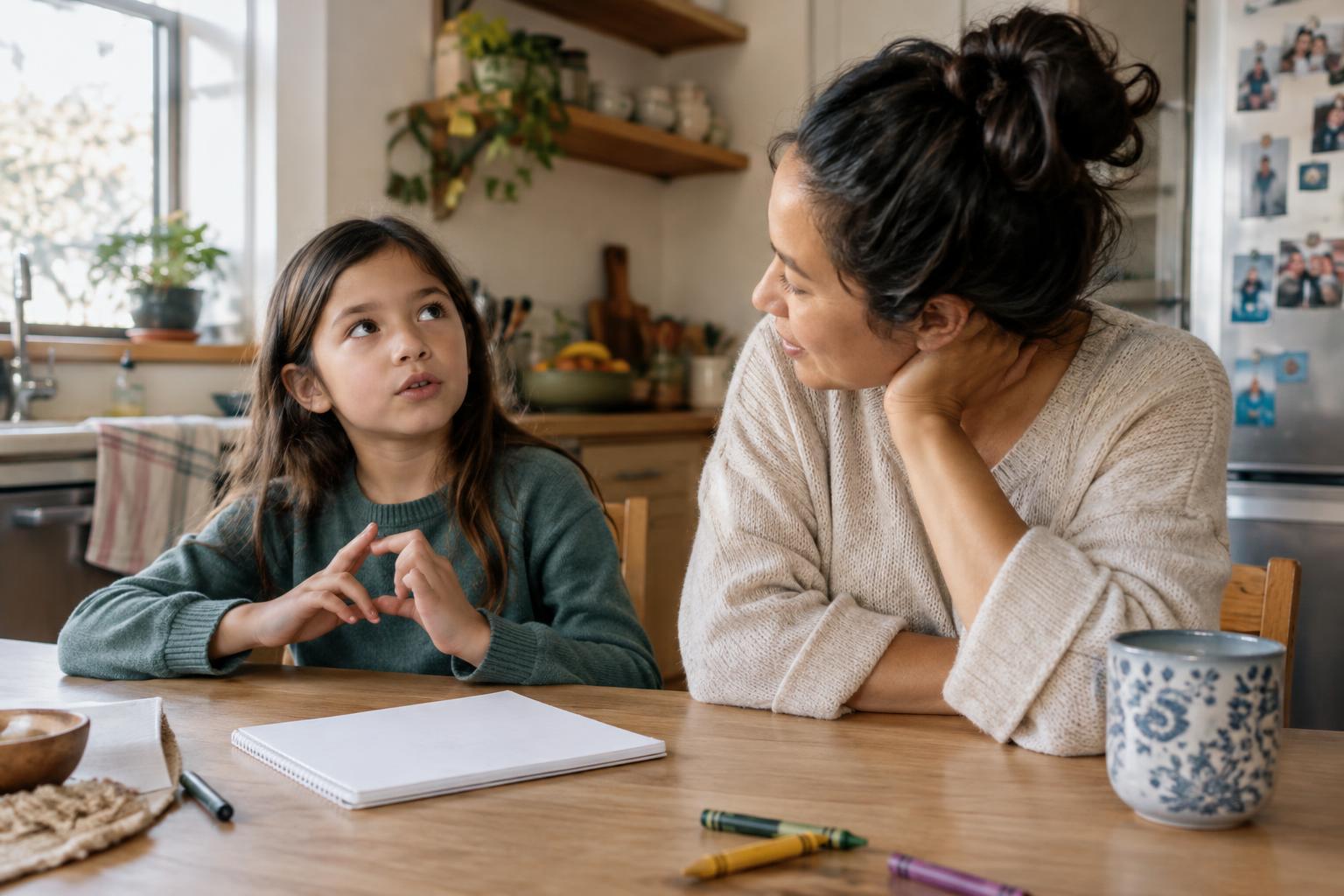
Everyday routines provide natural openings. While drawing together, try “Tell me about this part of your picture.” During a walk, ask “What do you notice about this place today?” After a shared game, “How did you decide what to do next?” These questions connect to something the child can see, touch or remember, which may feel easier than a broad request to describe their whole day.
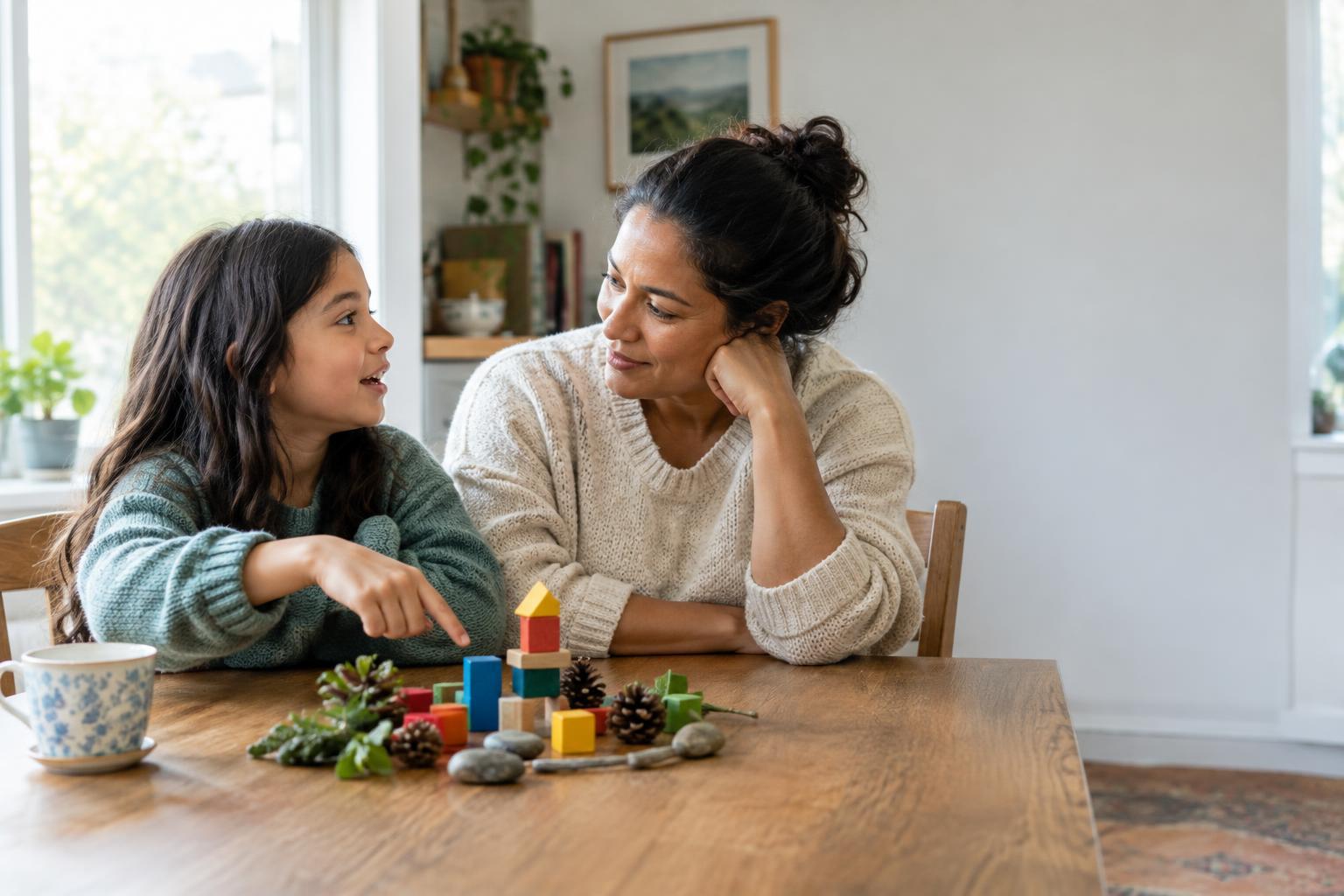
A small observation can work as well as a question. “You spent a long time building that tower” leaves space for a child to explain, correct you or simply keep building. If they do respond, stay with their topic. “What happened next?” or “What was that like for you?” can help a conversation unfold without steering it toward the answer you expected.
Match the invitation to the child
Younger children may find a concrete question easier than an abstract one. “What did the dog do in your game?” gives them a clear starting point; “What did you learn today?” may not. They might also answer through play, movement or a drawing rather than a long conversation. Sitting alongside them and commenting on what you notice can create opportunities to talk without interrupting their activity.
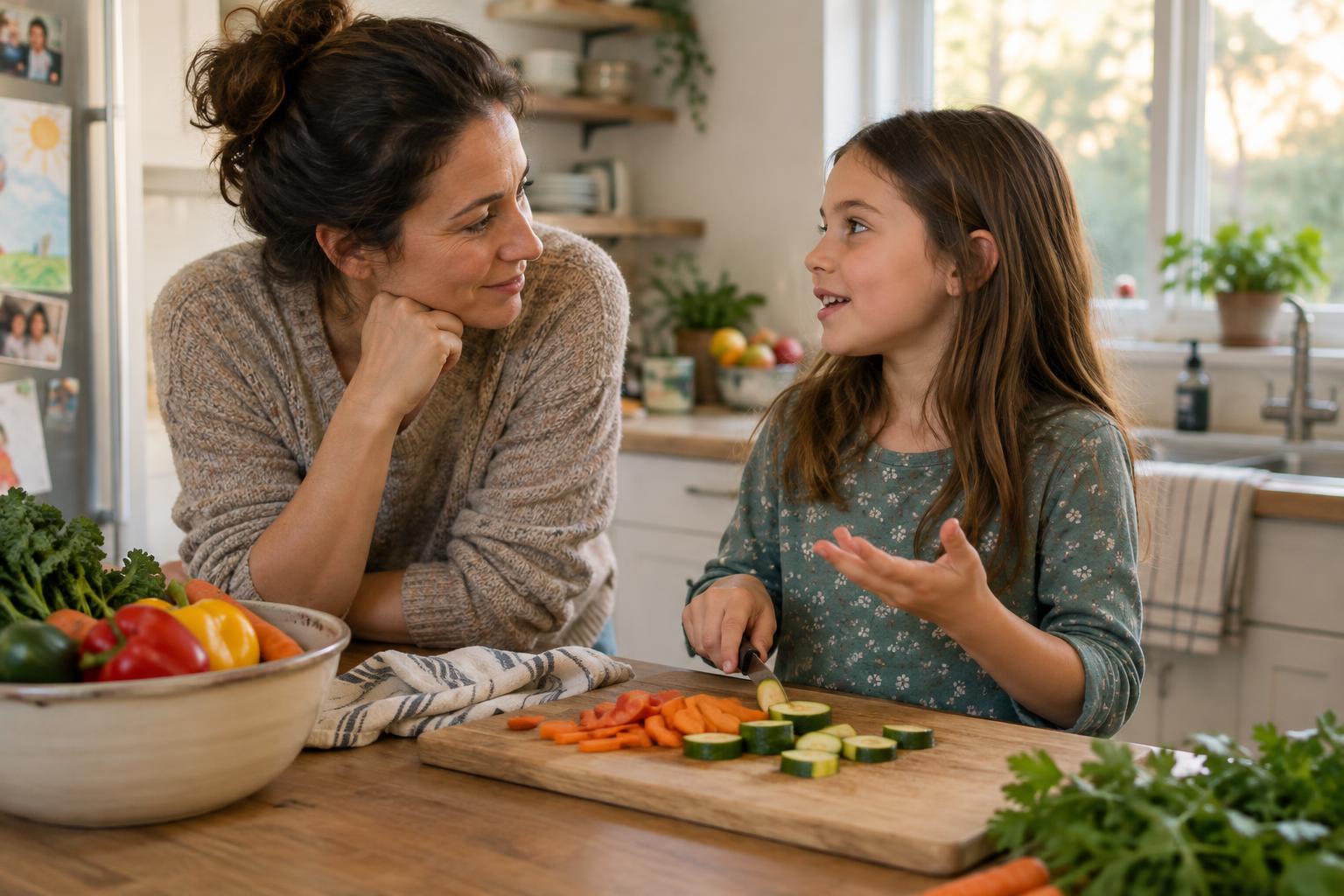
Older children may prefer questions that respect their independence, such as “What’s been on your mind about the project?” or “How do you want to handle that?” Some may talk more readily while cooking, travelling or doing another task together than when asked to sit down for a conversation. Age matters, but so do personality, mood and the moment. A prompt that works today may not work tomorrow.
Keep curiosity separate from pressure
Even an open-ended question can feel demanding if it arrives at the wrong time or is followed by several more. Try asking one question, then allowing a pause. Give the child time to think, and accept “I don’t know” or “I don’t want to talk right now” without turning the exchange into a negotiation. You can let them know you are available later.
Be especially careful with questions that contain a hidden judgment. “Why did you make such a mess?” may sound less like curiosity than criticism. If something needs to be addressed, say so clearly: “We need to clean up the paint. What would help us get started?” A child is more likely to understand what you need when you state it plainly rather than wrapping it in a question.
Let the answer shape what comes next
When a child shares something, reflect the part you understood before offering your own interpretation. “It sounds like the game changed when your friend joined” gives them a chance to add detail or set you straight. If you are unsure what they mean, ask, “Can you tell me more about that?” There is no need to solve every problem the moment it appears; sometimes a child wants their experience heard first.
Conversation can also go both ways. You might share a brief, everyday thought of your own, then leave space for the child’s response. The goal is not to get the longest possible answer. It is to build a familiar pattern: you notice, ask with genuine interest, listen and make room for the child to choose what to share.