
Family CommunicationWhen a visit, outing or everyday routine changes, children often want to know what will happen next. Simple, honest explanations can help families make room for disappointment while staying clear about what is known and what is still uncertain.
Read article · 4 min↗


Family CommunicationFamily conversations do not always need a quiet room or a long stretch of free time. Small moments during meals, chores, travel and bedtime can give children room to share what they notice and feel. Here are practical ways to make those moments easier to find.
Read article · 4 min↗

Family CommunicationThe way we phrase an everyday direction can affect how much room a child has to respond. Learn when to offer a real choice, when to state a firm limit, and how to make family routines clearer without turning every moment into a negotiation.
Read article · 4 min↗
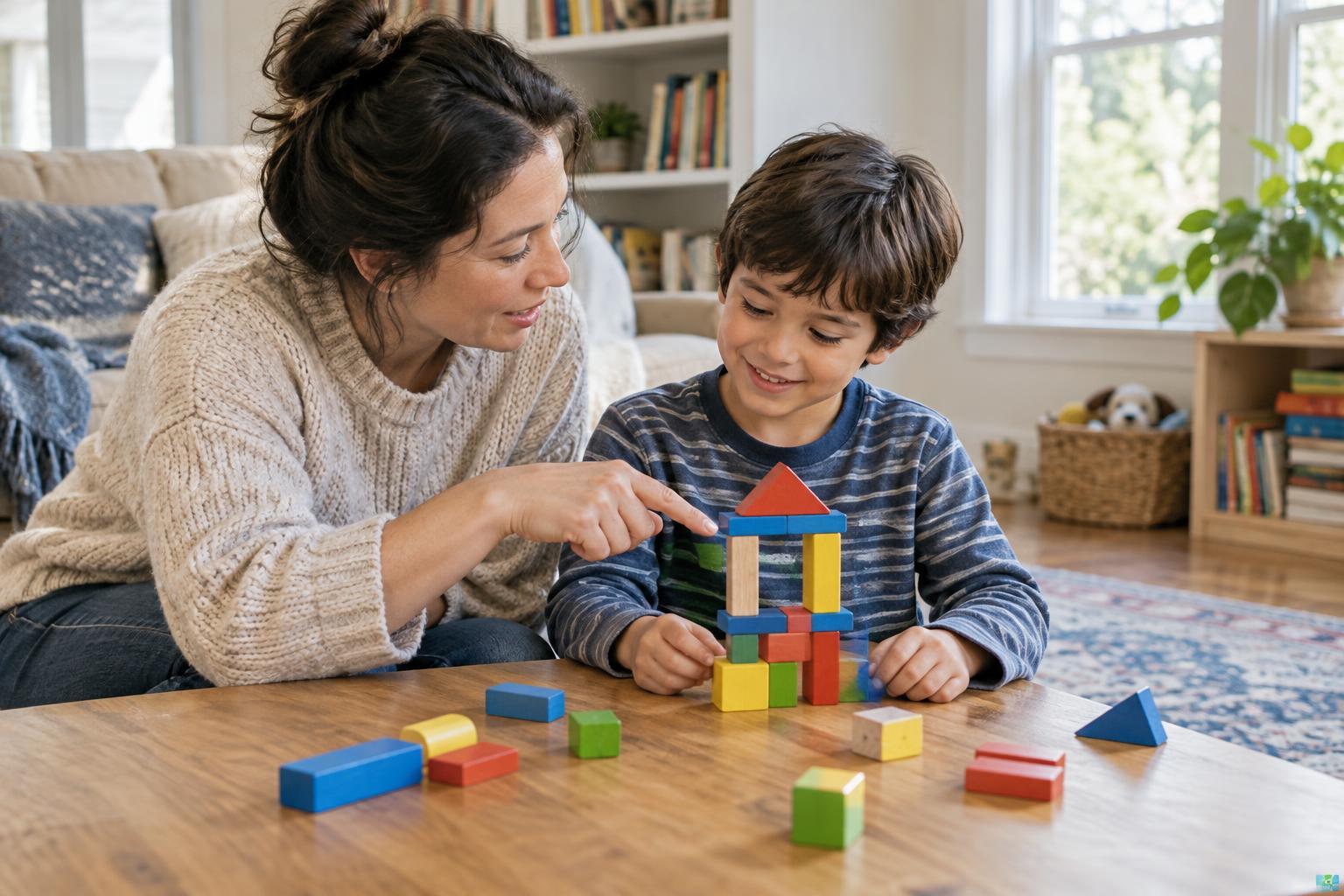
Family Communication“Good job!” can be warm and sincere, but sometimes a child benefits from hearing exactly what you noticed. Explore the difference between general and descriptive praise, with everyday examples for play, chores, learning, and family conversations.
Read article · 4 min↗

Family CommunicationA family boundary is easier to understand when it is brief, specific, and followed by a predictable next step. Explore ways to state limits calmly, make room for feelings, and keep everyday routines moving.
Read article · 4 min↗

Family CommunicationAs teens grow, they often want more room to think, talk and make choices on their own. Privacy and connection do not have to compete. Clear expectations, everyday conversations and respect for personal space can help families stay close while giving teens room to grow.
Read article · 3 min↗

Family CommunicationSchool-age children do not always want to talk on cue. Small daily openings, specific questions, patient listening and respect for privacy can make family conversations easier to return to.
Read article · 3 min↗
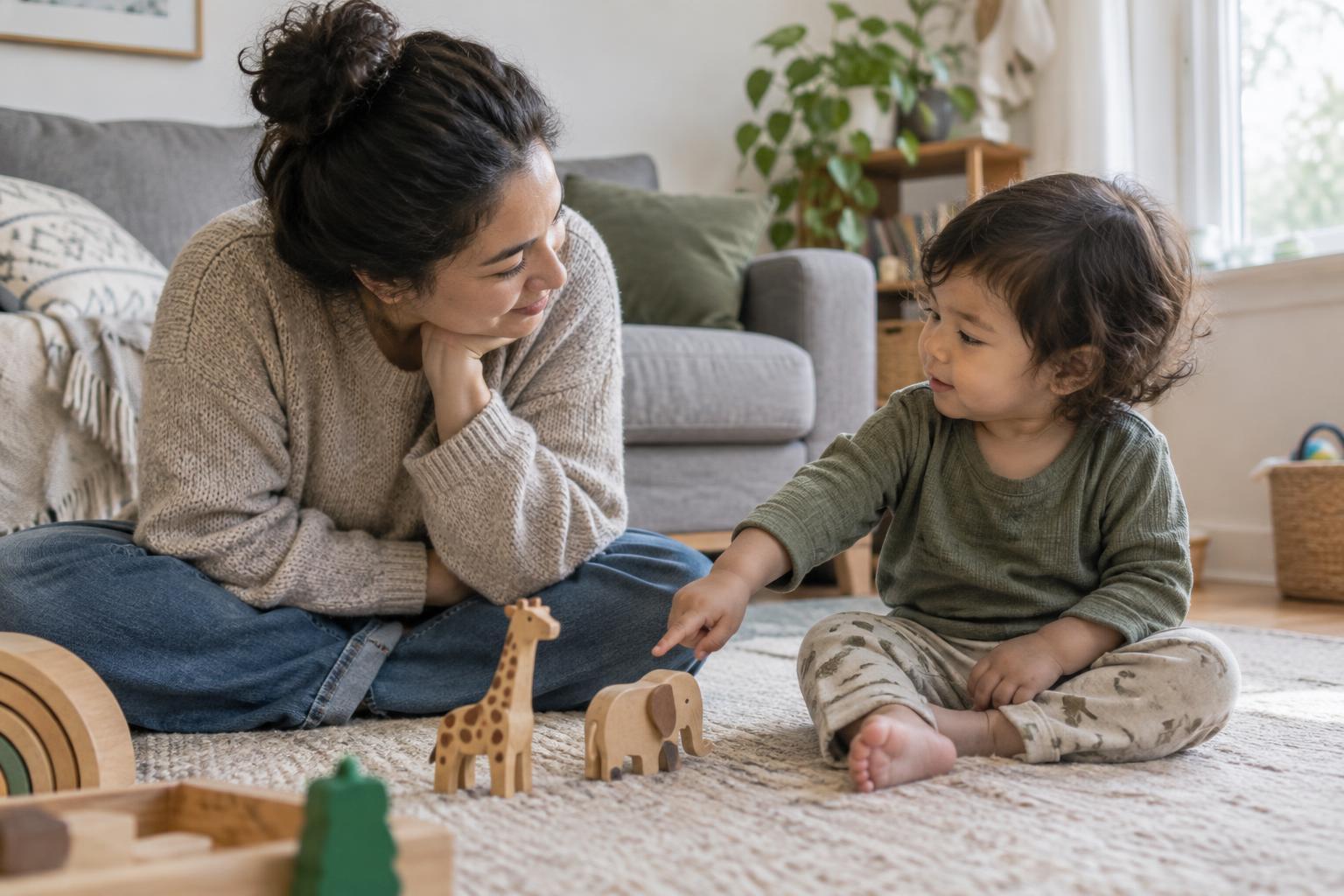
Family CommunicationA toddler does not need a long sentence to join a conversation. Everyday routines offer gentle ways to notice gestures, share attention, offer choices and leave room for a response.
Read article · 3 min↗

Family CommunicationA turned shoulder, a long pause or a burst of movement can add context to a family conversation, but no single gesture tells the whole story. Learn how to notice nonverbal cues without making assumptions, check what someone means and create room for every family member to speak.
Read article · 4 min↗

Family CommunicationA family meeting does not need an agenda, a formal vote or a perfect outcome. A short, regular conversation can give everyone a chance to share what is working, talk through one practical problem and help plan the week ahead.
Read article · 4 min↗

Family CommunicationWhen siblings argue, the loudest voice can take over. A simple speaking-turn routine can help each child explain what happened, listen to the other, and work toward a next step. Here are practical ways to guide the conversation without expecting children to agree on everything.
Read article · 4 min↗

Family CommunicationA meaningful apology names what happened, takes responsibility, makes room for a child’s feelings and shows what will change. Here’s how to keep the conversation honest and age-aware without asking a child to comfort you or forgive you on the spot.
Read article · 4 min↗

Family CommunicationA sharp tone does not have to be the last word in a family conversation. Learn how to pause, take responsibility, reconnect with your child, and return to the practical problem together.
Read article · 3 min↗
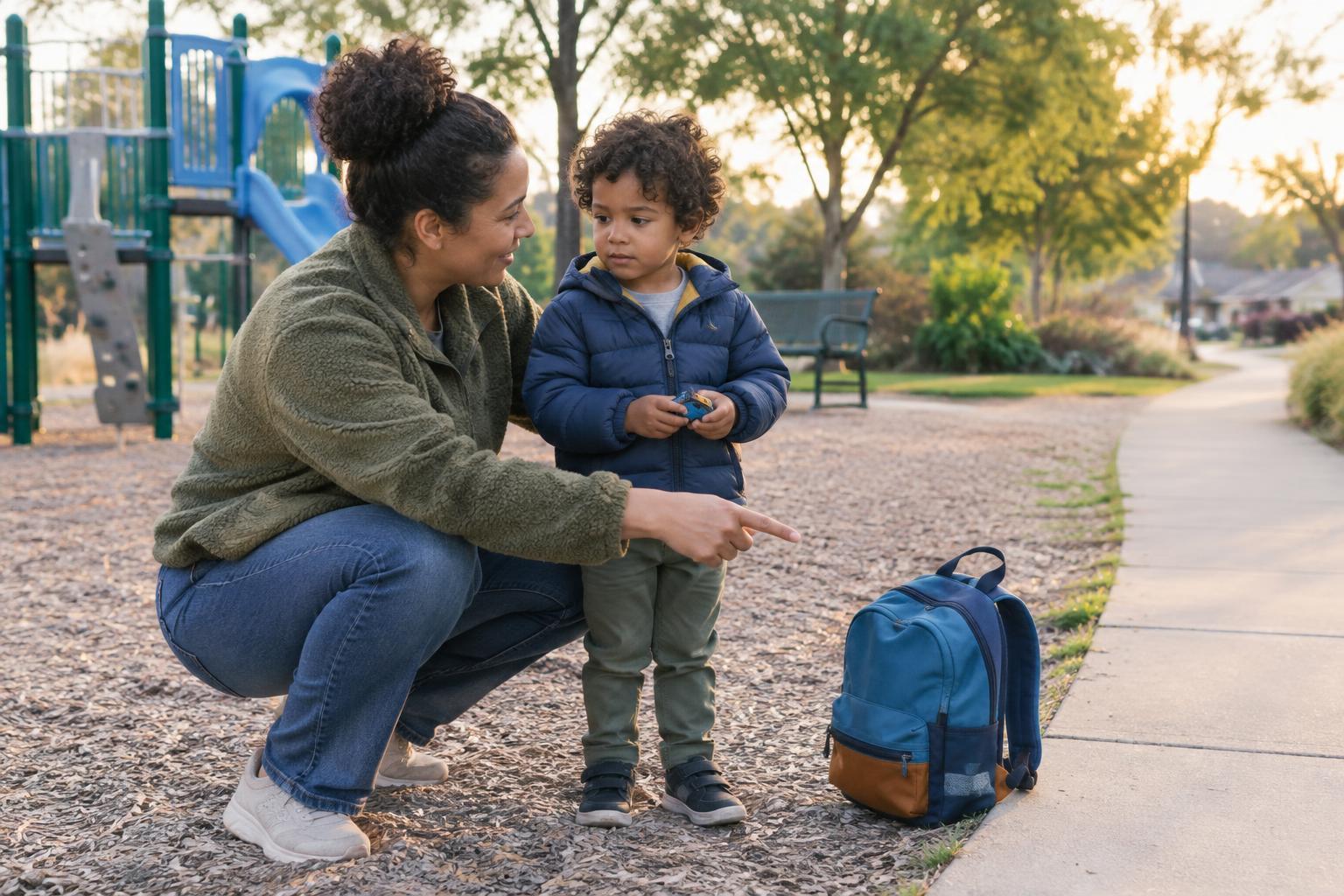
Family CommunicationGetting ready, leaving the park and winding down for bed can be easier to navigate when children know what is coming. Simple, age-aware conversations can make daily transitions more predictable while leaving room for feelings and flexibility.
Read article · 4 min↗
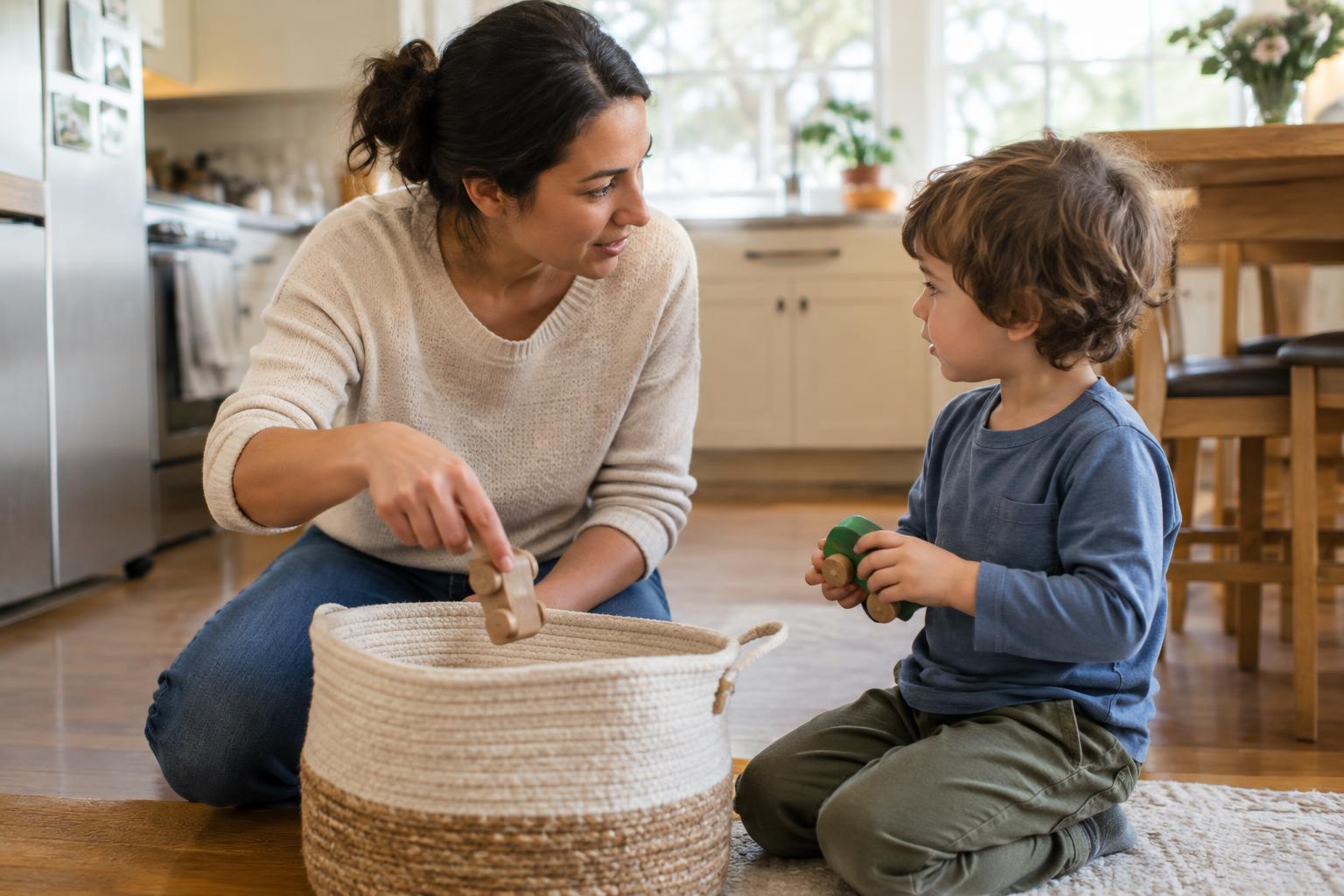
Family CommunicationEveryday instructions are easier to follow when they are brief, specific and matched to what a child can manage. Learn how to get a child’s attention, describe the next step, make room for questions and respond calmly when a task does not go as planned.
Read article · 4 min↗

Family CommunicationValidating a child’s feelings does not mean agreeing with every request or accepting every behavior. Learn how to acknowledge an experience while keeping a clear, caring boundary.
Read article · 4 min↗

Family CommunicationPutting words to feelings can help children talk about their experiences, but adults do not have to guess correctly every time. Learn how to offer feeling words as possibilities, listen to a child’s own account, and keep everyday conversations open.
Read article · 4 min↗

Family CommunicationA good question can make room for a child’s story without demanding one. Learn how to turn everyday moments into relaxed conversations with prompts that encourage children to share, wonder and lead the way.
Read article · 3 min↗

Family CommunicationActive listening helps children feel heard without requiring parents to agree with everything they say. Learn simple ways to pause, reflect their words, ask useful questions, and make room for conversation in everyday family life.
Read article · 4 min↗