Why a preview can help
A daily transition is a move from one activity to another: stopping play to eat, leaving home for an errand, or getting ready for bed. Adults often hold the day’s plan in their heads. Children may only see what they are doing right now. Talking about the next step gives them a little more of the picture before they are asked to change course.
A preview does not guarantee a smooth handoff. A child can understand that it is time to leave the park and still wish they could stay. The goal is not to talk them out of that feeling. It is to make the plan clear enough that the change is less surprising and to show that you can listen while keeping the day moving.
Keep the message short and concrete
Start with what is happening now, what comes next, and one action the child can take. For example: “You can finish this tower. Then we’ll put the blocks in the basket and wash our hands for lunch.” This gives a child something more useful than a vague “We’re going soon.” When possible, name a visible marker, such as the end of a song or the last page of a book, rather than relying only on clock time.
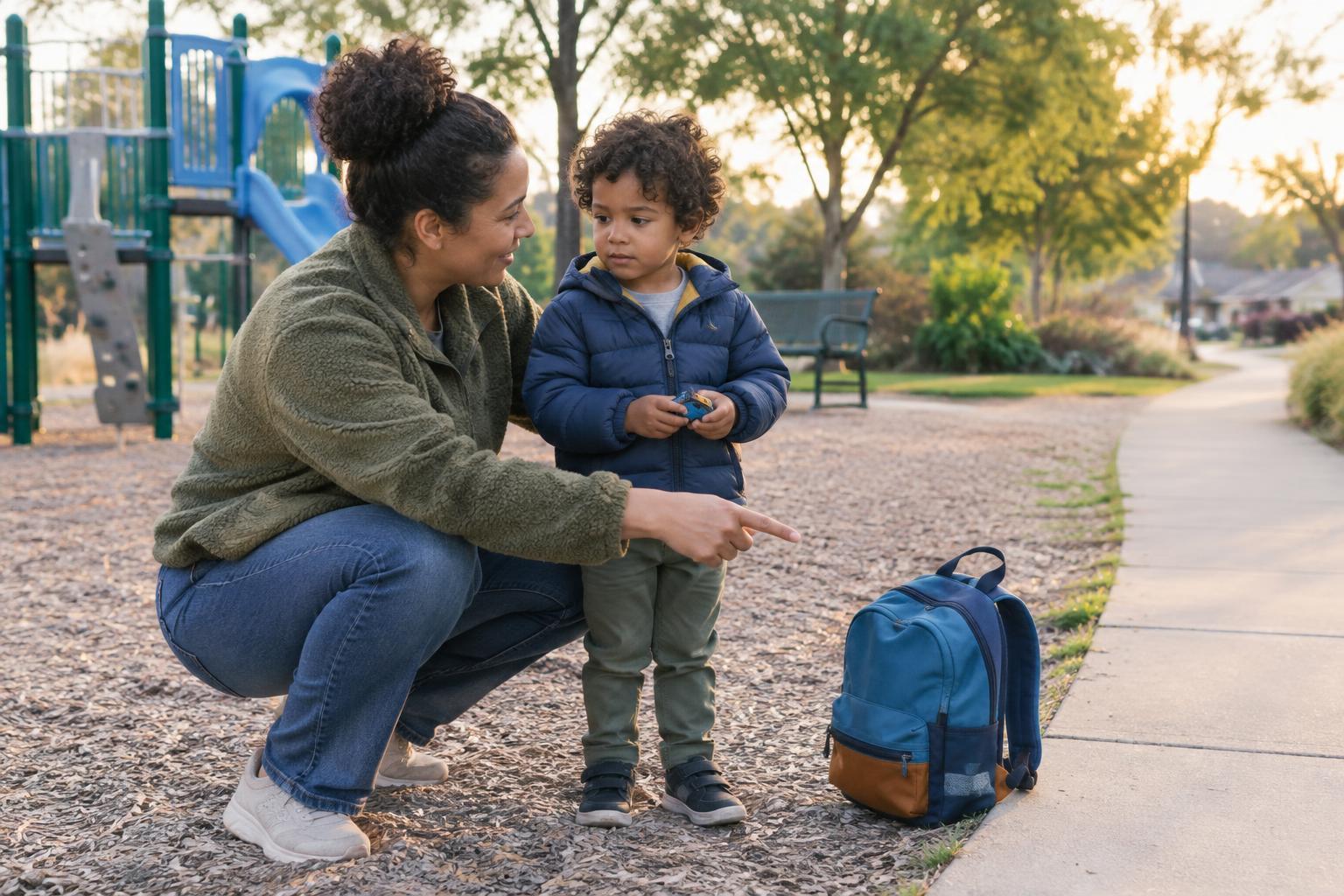
Match the amount of detail to the child. A younger child may benefit from a brief reminder close to the change: “One more slide, then shoes and home.” An older child may want to hear the plan earlier and have a chance to ask what will happen afterward. Too many reminders can become background noise, so choose a few moments when the information is most useful.
Make room for a little ownership
A small choice can help a child take part without turning the whole plan into a negotiation. If leaving is not optional, offer a choice within leaving: “Would you like to carry your jacket or wear it?” At home, a child might choose which toy to put away first or which book to bring to the couch. Offer only options you can actually follow through on.
It can also help to give the current activity a clear ending. A child could park a toy car in a familiar spot, take one last look at a picture, or tell you what they want to do when they return. These small rituals acknowledge that stopping something enjoyable takes effort. They need not be elaborate; a repeatable phrase such as “Let’s save it for later” may be enough.
Respond to feelings without changing the facts
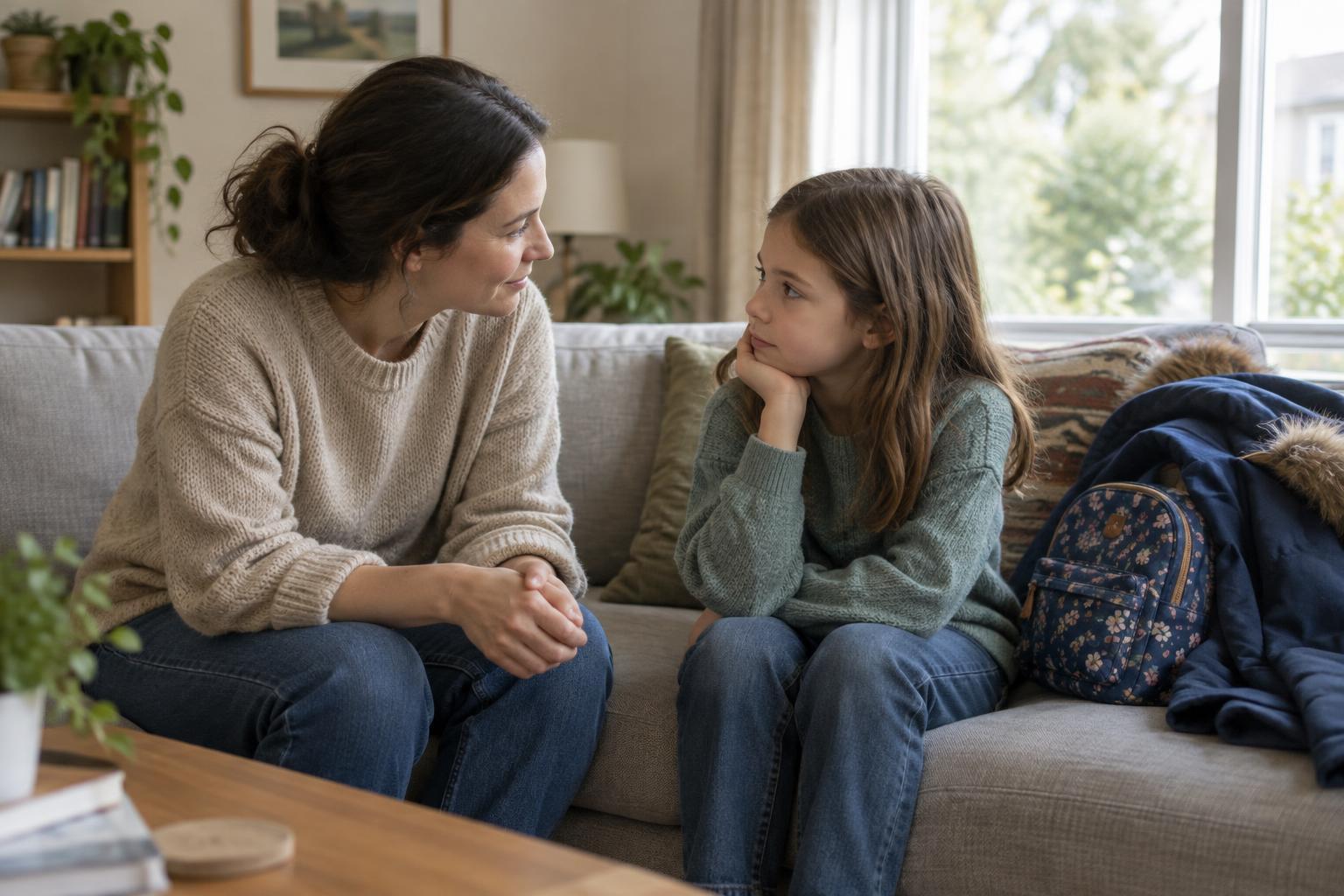
When a child protests, try separating their feeling from the plan. “You wanted more time. It’s hard to stop when you’re having fun. We’re going home now.” A calm, direct response can be more helpful than a long explanation in the middle of a busy doorway. If you can pause, listen for a moment; if you cannot, say what will happen next and stay close as you move.
Adults have hard transitions, too. If you forgot to give a warning or the schedule changed, you can say so simply: “I thought we had more time, but we need to go now.” You do not need a perfect script. Clear words, a steady tone and a realistic next step matter more than getting every phrase right.
Build a familiar pattern, then stay flexible
Transitions often happen in the same places each day. Notice which ones are difficult and try one predictable pattern: preview, pause, then begin together. Before dinner, that might sound like “We’ll finish this page, put the book on the shelf, and set out the napkins.” In the morning, it might mean briefly naming the order of getting dressed, eating and heading out.
Later, when no one is rushing, invite an older child to help think through a recurring snag: “What would make stopping your game easier when it’s time to eat?” Younger children may show you what works through their responses rather than a conversation. Keep what helps, adjust what does not, and expect some days to go differently. A useful transition routine is one your family can return to, not one that must work perfectly every time.