Make the invitation smaller than a bite
When a child encounters an unfamiliar food, adults often focus on the moment of tasting. But looking, smelling, touching or asking a question can also be part of getting acquainted with it. A child who declines a bite may still be noticing its color, shape or place on the table. Treating those observations as enough for today can keep the meal from becoming a test.
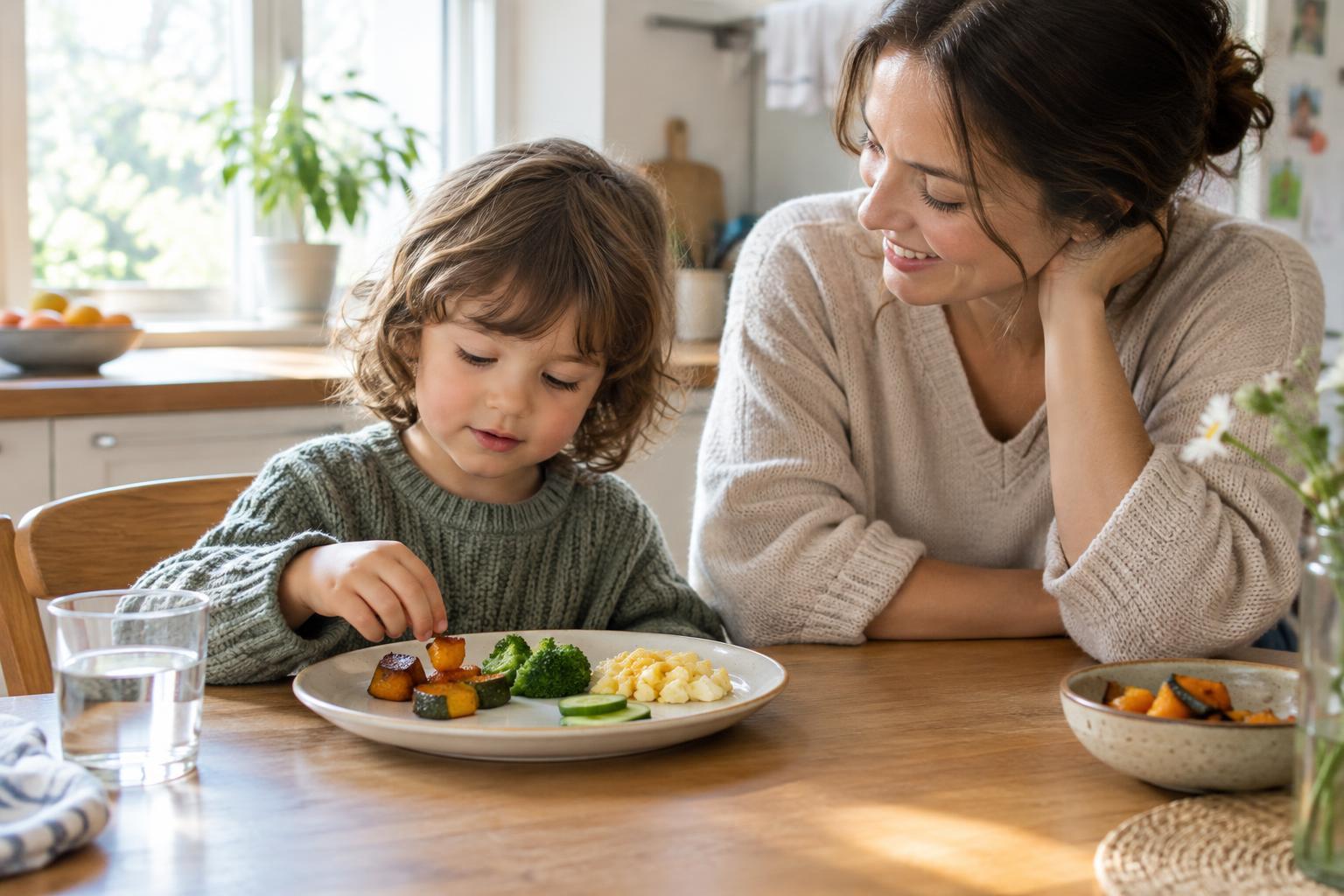
Try offering the food in a small amount alongside something familiar. You might say, “This is roasted cauliflower. You can have some if you want,” then move on with the meal. A separate serving spoon or a little space on the plate can help a child decide whether to serve themselves or leave it alone. The aim is to make the food available, not to secure an immediate yes.
Keep familiar foods in the picture
A meal built entirely around surprises can feel like a lot to manage, especially for a younger child. Including a familiar food gives them something recognizable while the new item is present. This does not require making a separate menu or promising a preferred food in exchange for trying another. It simply makes the shared meal easier to approach.
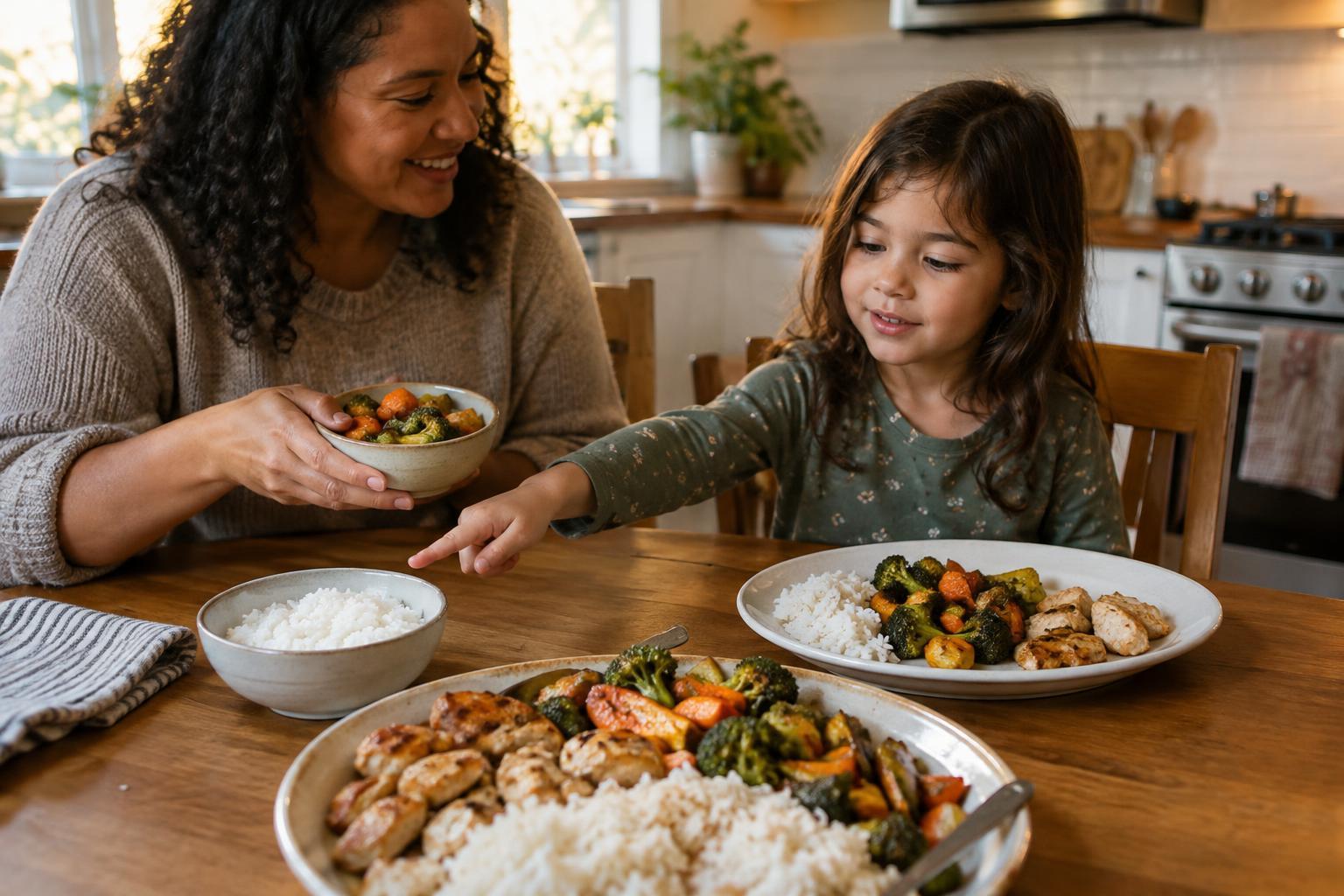
Where practical, serve parts of a meal separately so children can see what is there. A child may be more willing to explore a new sauce next to rice than mixed into a full serving. Another may prefer to watch everyone else use the sauce for several meals before choosing any. These preferences can change over time, and they do not need to be debated at the table.
Let curiosity happen outside mealtime
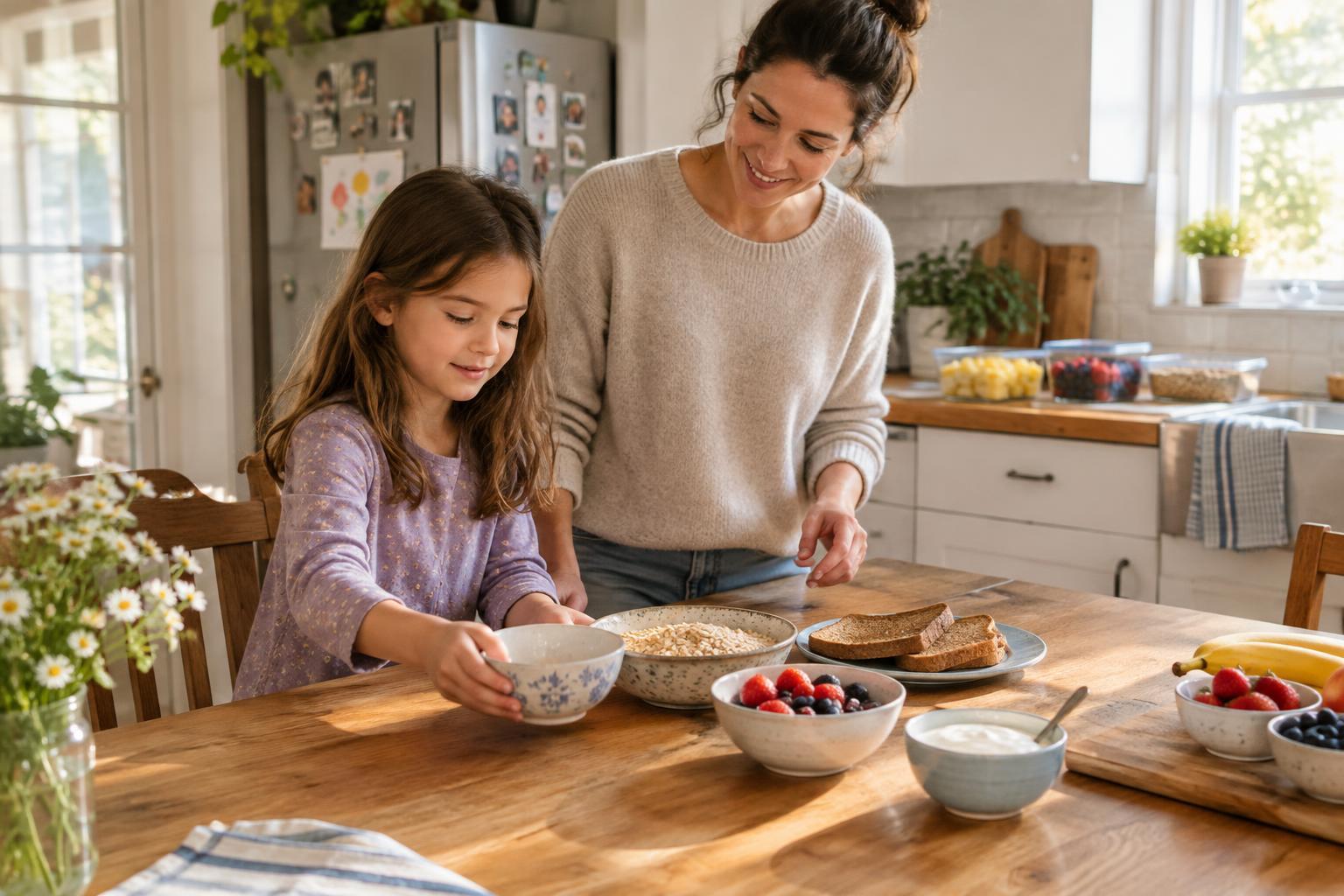
The dinner table is not the only place to meet a new food. Children can help rinse vegetables, stir a batter, arrange fruit on a plate or choose between two ingredients at the shop. These small jobs offer a way to learn about food without an expectation to eat it afterward. For younger children, a brief task with close supervision may be plenty; older children may enjoy planning one part of a meal.
Keep the conversation descriptive rather than persuasive. “These peas roll around” or “This pear feels firm” leaves room for a child’s own observations. Questions such as “What do you notice?” can work, too, if they sound like genuine curiosity rather than a lead-in to “Now will you try it?” A child is allowed to participate in preparation and still decline the finished dish.
Respond calmly to a no
It can be disappointing when a food you prepared goes untouched. Still, bargaining over one bite, praising a child for clearing a plate or comparing siblings’ choices may put more attention on eating than anyone intended. A neutral response such as “Okay, you don’t have to have it” acknowledges the answer without making it the center of the meal.
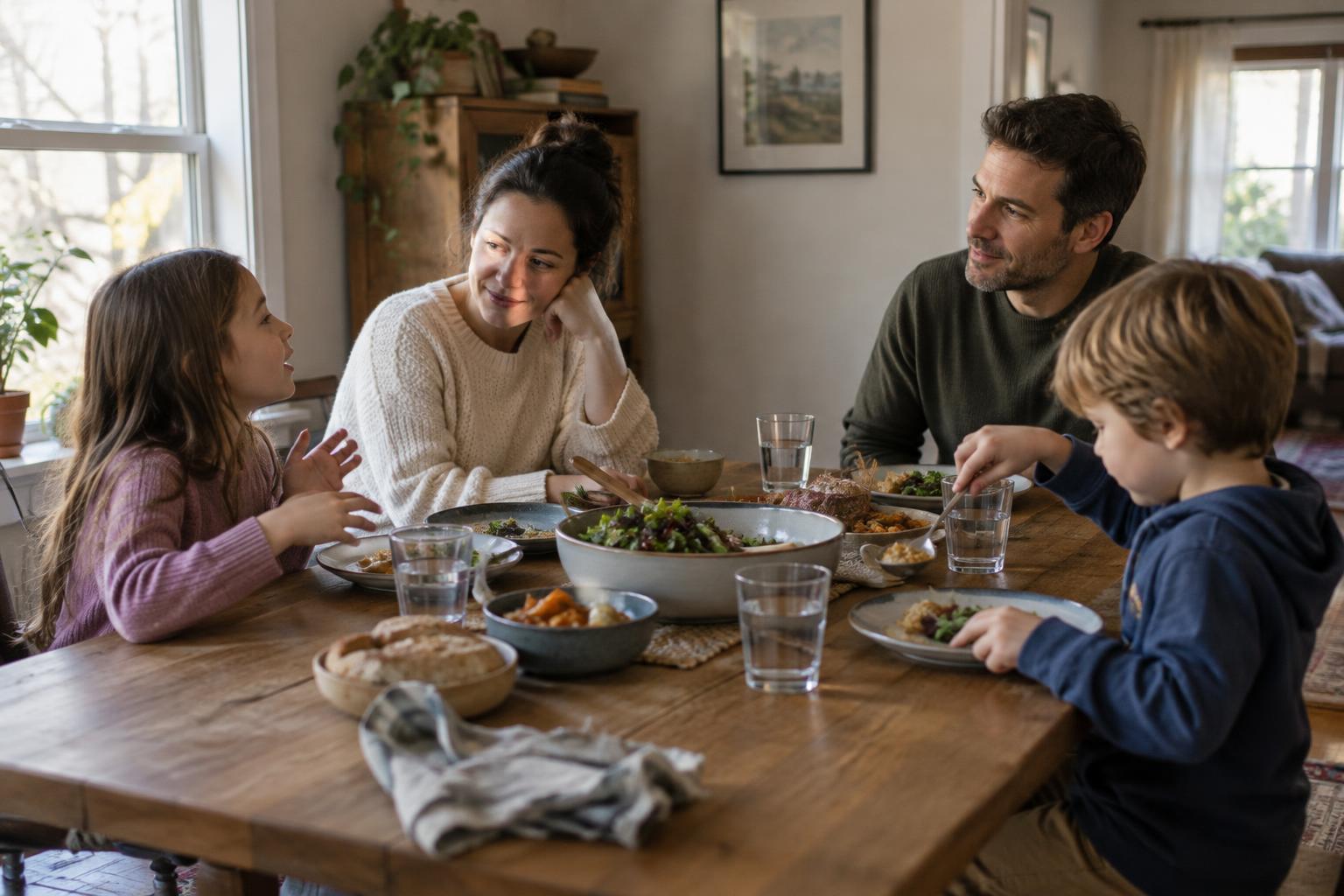
You can set ordinary table expectations while leaving tasting optional. For example, children can pass a dish politely, make room for others to serve themselves and help clear up when the meal is over. If a child dislikes the smell or appearance of a food, listen and look for a practical adjustment, such as moving the serving dish farther away. Respectful limits and flexibility can exist together.
Think in meals, not milestones
Acceptance is not always a straight line. A child might eat a food one week and pass on it the next, or enjoy it raw but not cooked. Repeated opportunities can help a food become more familiar, but there is no need to count encounters or set a deadline for tasting. Preferences, appetite and comfort can vary from day to day.
Keep offering a variety of foods in ways that suit your household’s time, budget and routines. Adults can enjoy the food themselves without turning their plates into a demonstration the child must copy. If meals have become a persistent source of distress or you have concerns about a child’s eating or growth, seek individualized guidance from a qualified health professional. For everyday introductions, a calm invitation and a pleasant shared meal are worthwhile goals on their own.