Make the choice small and manageable
Letting a child choose dinner does not have to mean asking, “What do you want to eat?” when nothing has been planned. An open-ended question can lead to requests that the cook cannot easily meet. Instead, decide what you are willing and able to serve, then offer two choices within that plan: “Would you like the rice with the beans on top or on the side?” Both answers lead to the same family dinner.
A useful choice is real, clear and easy to act on. Children may enjoy choosing between two vegetables already being served, two ways to assemble a meal, or two available fruits alongside it. You do not need to offer a choice every night. On a busy evening, it is fine to say what dinner is and invite your child to help with another small task, such as setting out napkins.
Build two options from one set of ingredients
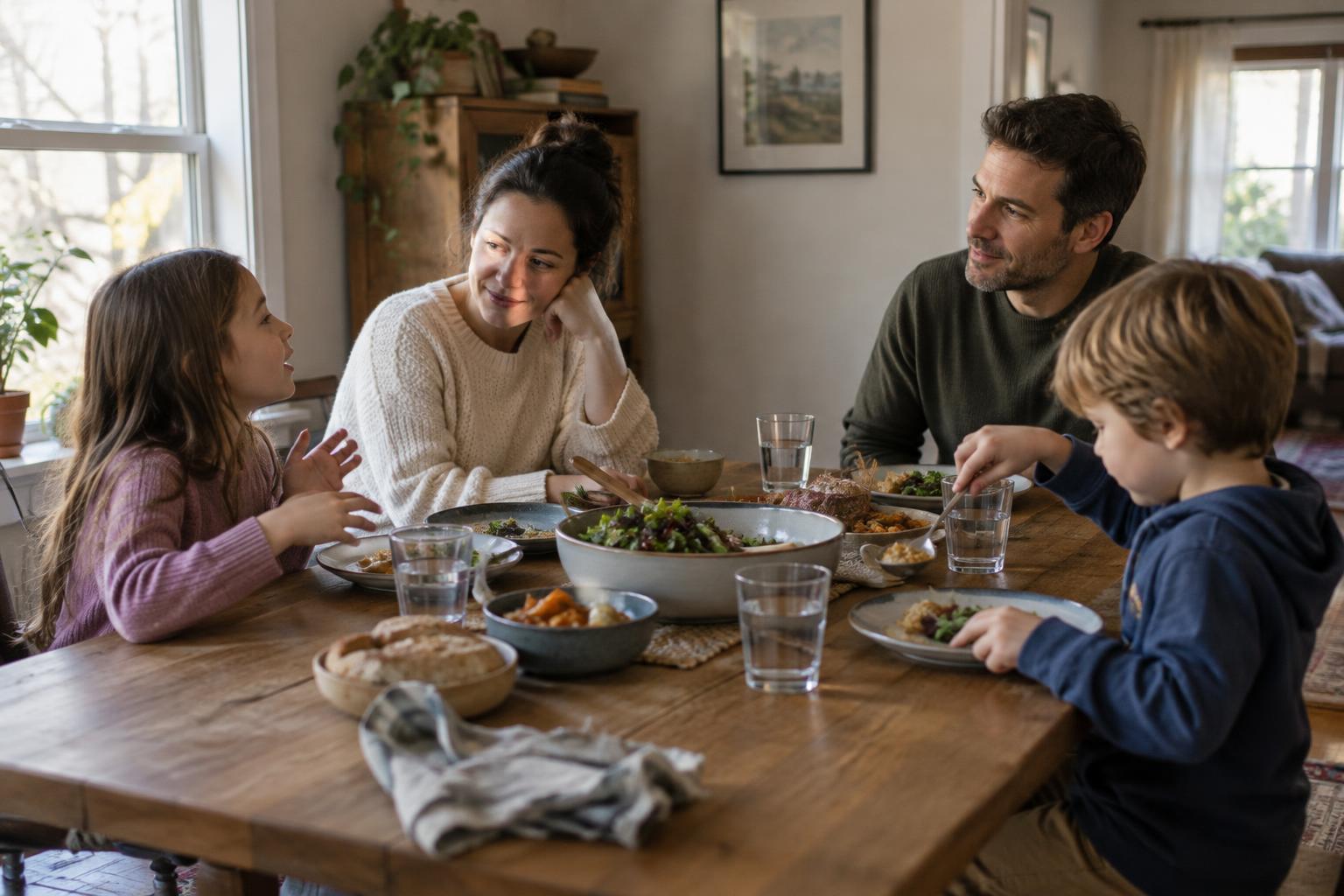
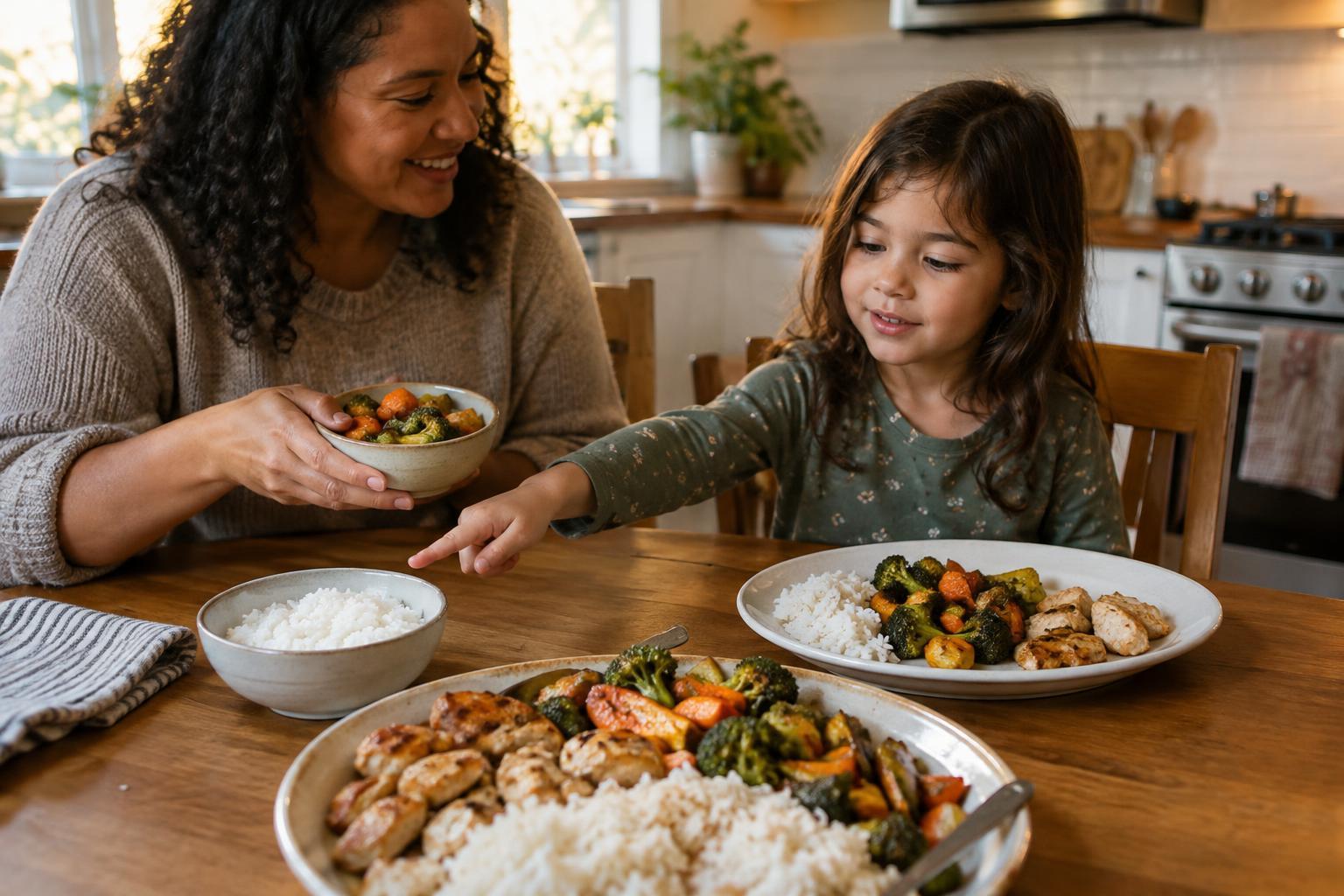
Meals with parts that can be served together or separately make this approach easier. A tray of roasted vegetables, a grain and a protein can become a bowl for one person and separate items on a plate for another. At a taco-style dinner, one child might choose a filled tortilla while another chooses the same fillings beside it. The family is eating from the same prepared food; the difference is in how it is served.
Keep the options close to what you were already going to make. You might ask, “Pasta with the sauce mixed in or beside it?” rather than starting a second recipe. If an ingredient needs to be left out because of a known allergy or another household requirement, plan around that need first. Choices work best when both options are practical for the people preparing and eating the meal.
Match the question to your child’s age
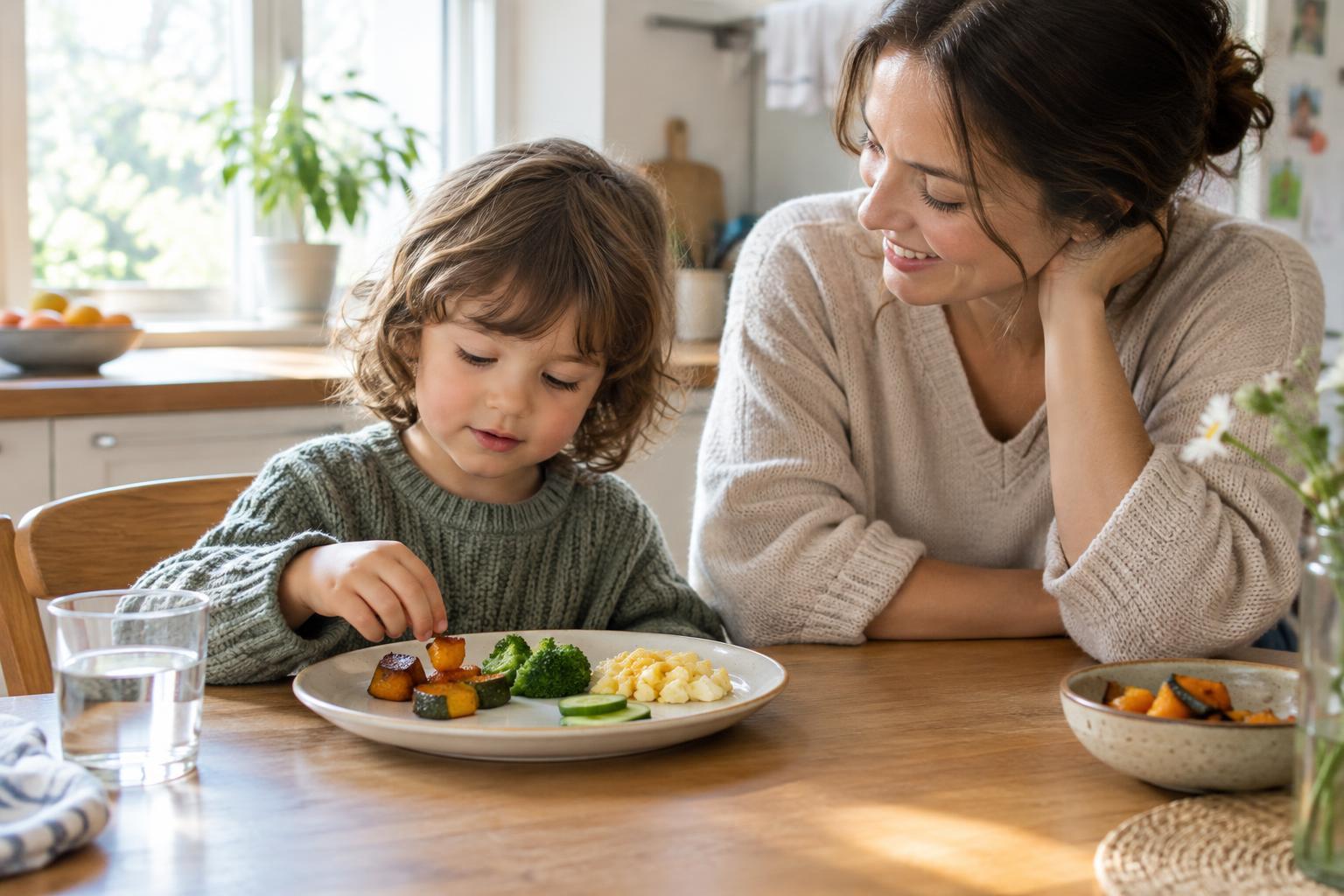
Younger children may find it easier to choose when they can see the two possibilities. You can point to the available foods and use a short question: “Carrots here or there?” Waiting a moment for an answer can help. If your child does not choose, you can calmly make a choice for now without turning the moment into a test.
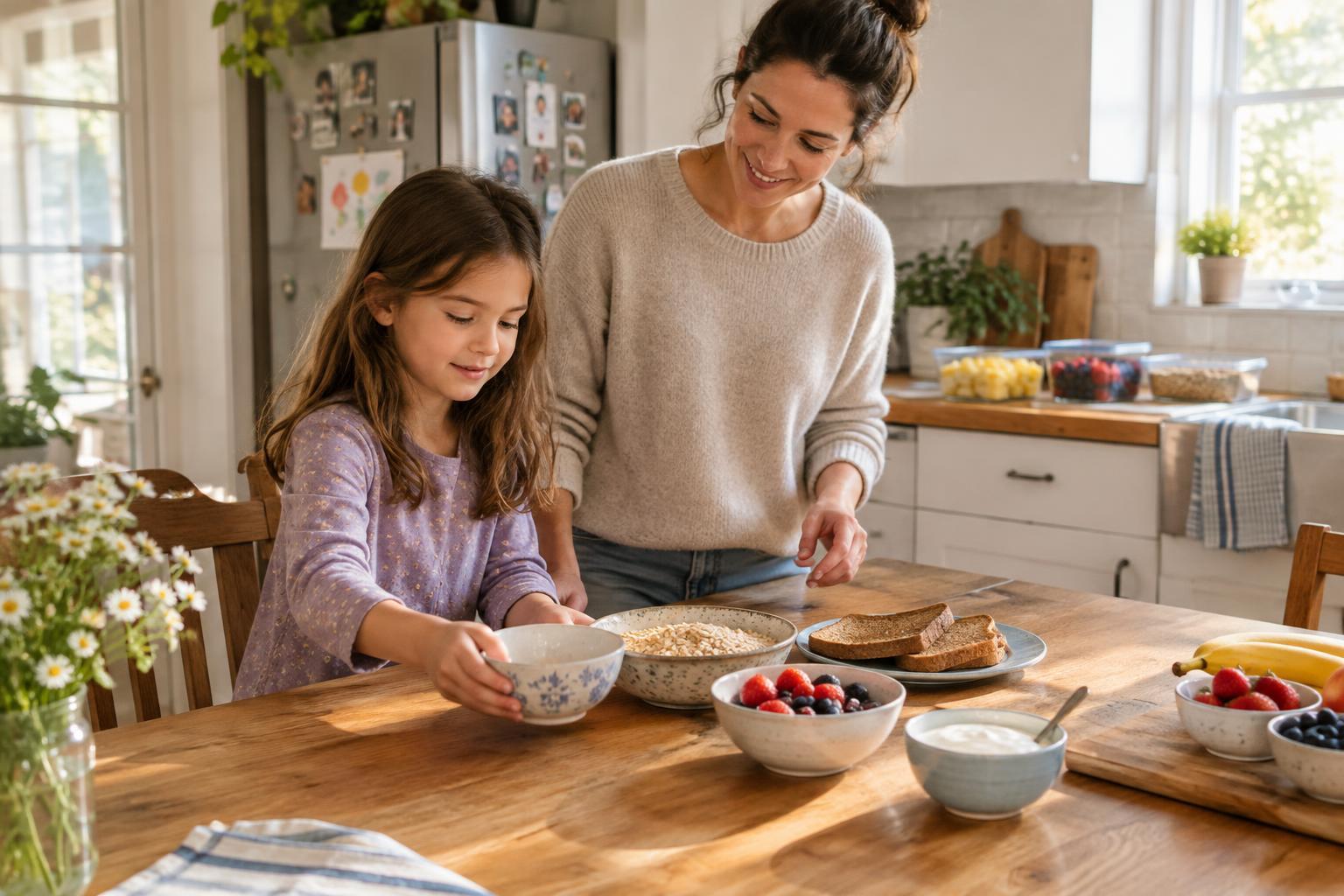
Older children may enjoy a little more responsibility, such as choosing which of two vegetables to prepare for the family or whether to set out wraps or bowls for a shared meal. Keep the responsibility appropriate to the time and ingredients you have. A choice offered before cooking may be easier to accommodate than one introduced after everyone is seated.
Be clear about what the choice does and does not include
A two-option approach works better when the boundary is stated simply. “Tonight we have soup and bread. Would you like the bread beside your bowl or for dipping?” tells a child what is available without promising a different dinner. If they ask for something else, you can acknowledge the request and repeat the options: “You were hoping for noodles. Tonight you can choose how to have the bread with the soup.”
Try not to make the choice a bargain about how much a child must eat. Offering options is a way to include them in the routine, not a guarantee that they will like or eat a particular food. Keep your tone neutral if they change their mind, decline an item or eat less than you expected. What and how much they eat can vary from meal to meal.
Keep the routine flexible
Some nights, even two choices will feel like too many. A tired child may answer “neither,” or a carefully phrased question may still become a debate. You can shorten the conversation, serve the planned meal and try again another day. The goal is not a perfect response at every dinner; it is a workable routine that leaves room for a child’s preferences without adding another round of cooking.
Notice which choices are genuinely useful in your home. If “mixed or separate” makes serving dinner smoother, keep it. If choosing between two complete menus creates extra work, scale back to a topping, a side already on the table or the way food is arranged on the plate. A small choice that the family can repeat is often more helpful than an elaborate one that makes evenings harder.