Start with a pause, not a perfect plan
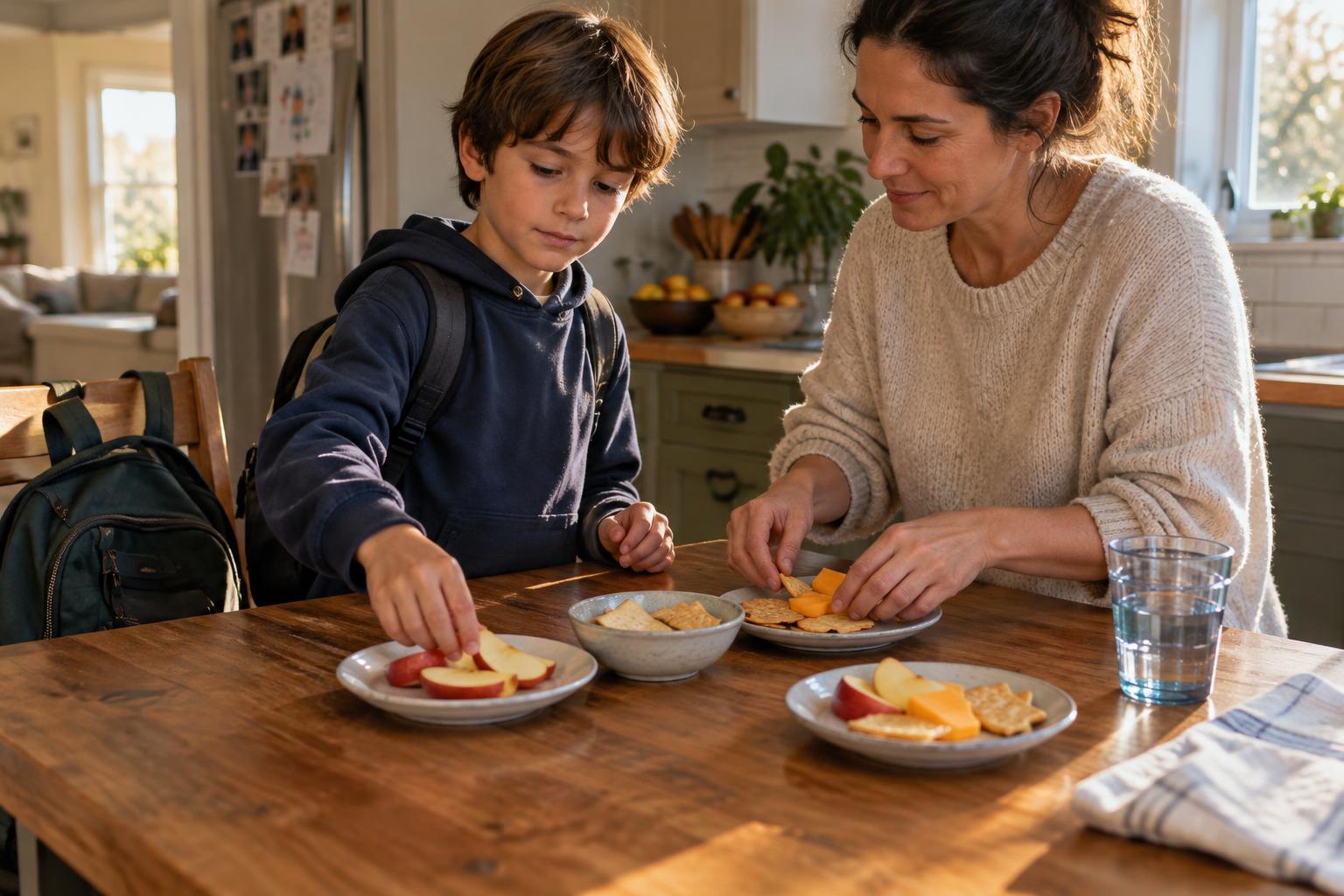
The trip home from school can bring together hunger, tiredness and a need to talk—or a need for quiet. A simple snack routine gives children an idea of what happens next without requiring every afternoon to look the same. It might be as basic as washing hands, putting bags in one place, sitting down for a snack and clearing the table afterward.
Before choosing foods, notice what your afternoons are like. Does your child want a snack as soon as they arrive, or do they prefer a little time to settle? How close is your usual evening meal? A snack can be small when dinner is soon or more filling when the gap is longer. The aim is to offer something satisfying while leaving room for the rest of the day.
Make the next step easy to see
Choose a snack spot that is comfortable and easy to clean, such as the kitchen table. Keeping a cup, plate or napkin within reach reduces the number of decisions adults have to make at a busy moment. If afternoons include activities away from home, a washable container and a familiar place in the bag can serve the same purpose.
A brief sequence can help: unpack what needs attention, wash hands, have a snack, then move on to play, homework or another activity. It is fine to adjust the order. Some children settle better after a few minutes of movement or conversation. The routine is a guide, not a test, and it can change as children grow.
Keep a short list of workable snacks
A small rotation is often easier to maintain than a new idea every day. Try pairing two familiar foods, such as fruit and yogurt, toast and cheese, or crackers and hummus. Leftovers that store well can also work. Include water as an easy drink option. What belongs on the list will depend on your household’s preferences, food needs, storage space and budget.
Prep only as much as saves you effort. Washing fruit ahead of time, portioning a few items into containers or keeping shelf-stable choices together can make rushed afternoons easier. Check school and activity rules before packing snacks to take out, and follow any food-allergy plans already in place for your child. For younger children, prepare foods in ways they can manage safely and supervise eating as appropriate for their age.
Give children a useful role
Offering limited choices can make snack time more cooperative without turning it into a long negotiation. You might ask, “Would you like the apple or the banana?” or “Would you like toast or crackers with that?” Set out options you are comfortable serving, then let your child choose between them. If they are not ready to eat immediately, you can let them know where and when the snack will be available.
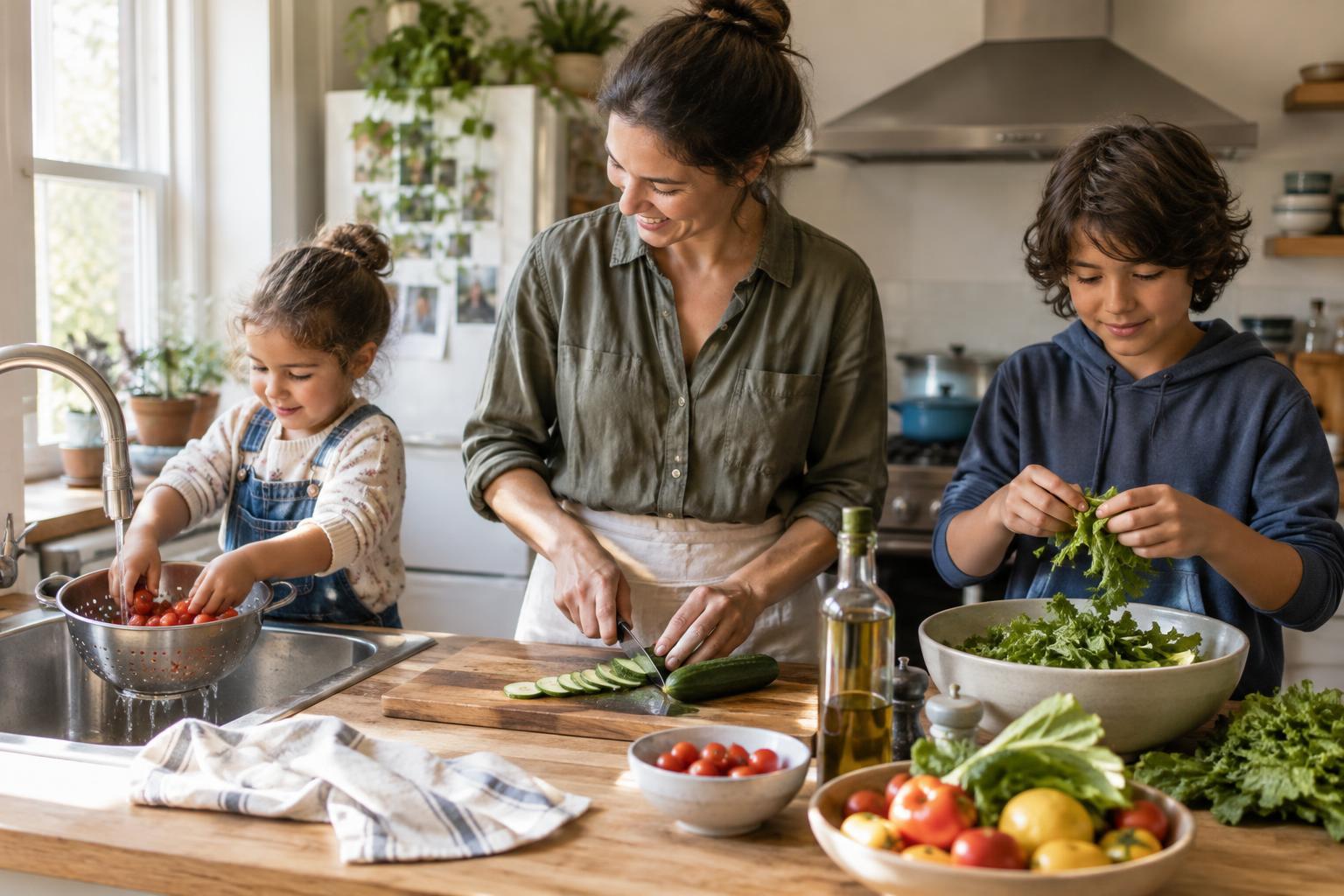
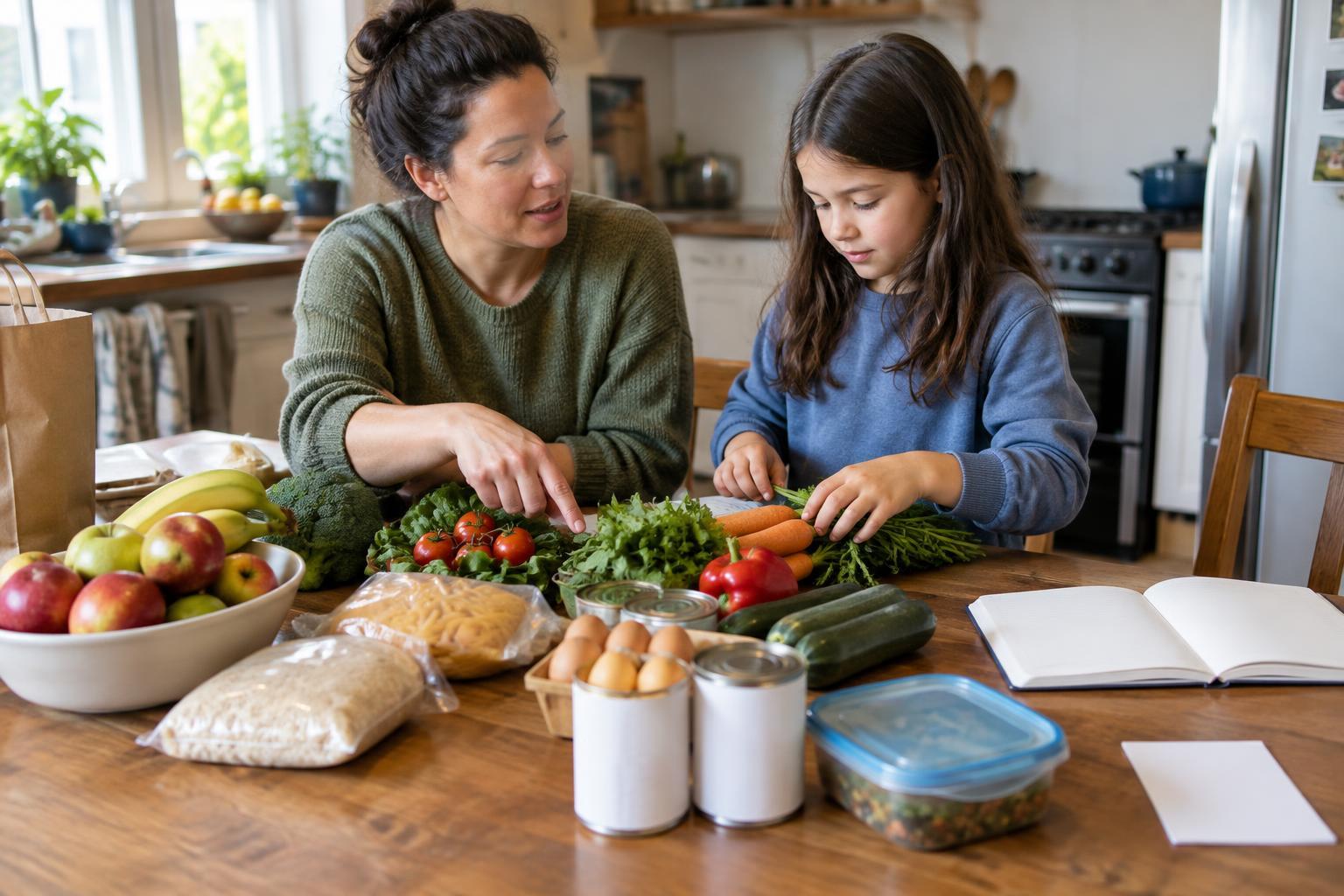
Children can help in age-appropriate ways: choosing from the usual options, carrying napkins, rinsing produce with an adult nearby or putting their dish in the sink. Older children may be ready to assemble a simple snack or add items to a shopping list. These small jobs make the routine easier to share and give children a chance to practice everyday skills.
Leave space for connection and change
Snack time can be a gentle point of contact, but it does not need to become a daily question-and-answer session. An open invitation such as “I’m here if you want to tell me about your day” leaves room for conversation. Sitting together for a few minutes, even in silence, may feel more welcoming than asking for a full account of school right away.
Review the routine when it stops helping. A changed pickup time, a new activity or a child’s growing independence may call for a different snack or schedule. Keep the parts that make afternoons smoother and drop the parts that add work. A useful routine is one your family can return to on ordinary days, not one that has to go perfectly.