Trying to fit too much into one trip
A park visit, a picnic, a nature walk and a stop for a treat can all sound appealing. Put them together, though, and an outing may start to feel like a schedule everyone has to keep up with. Travel, snacks, bathroom breaks and time to settle in can take longer than expected, especially with younger children.
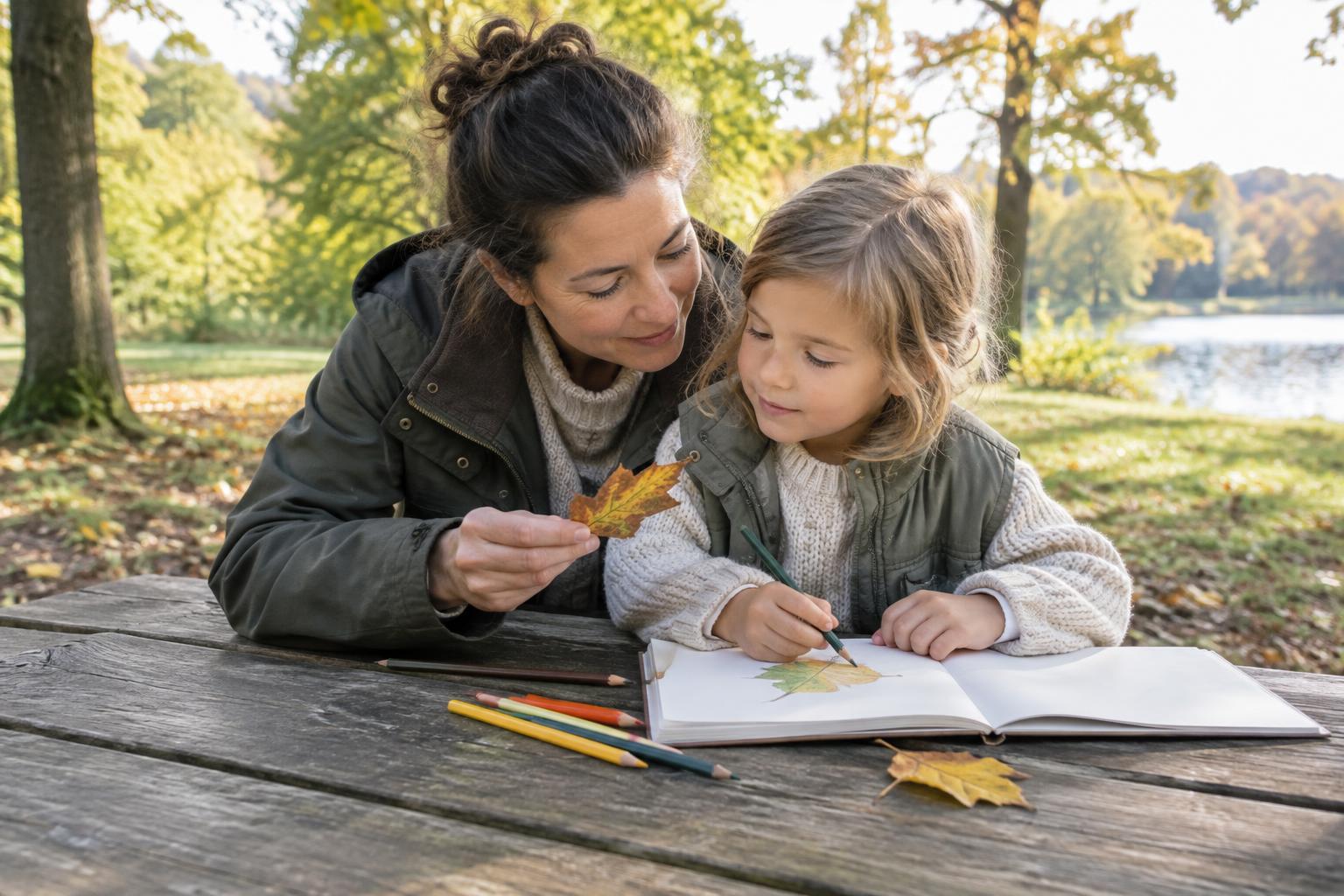
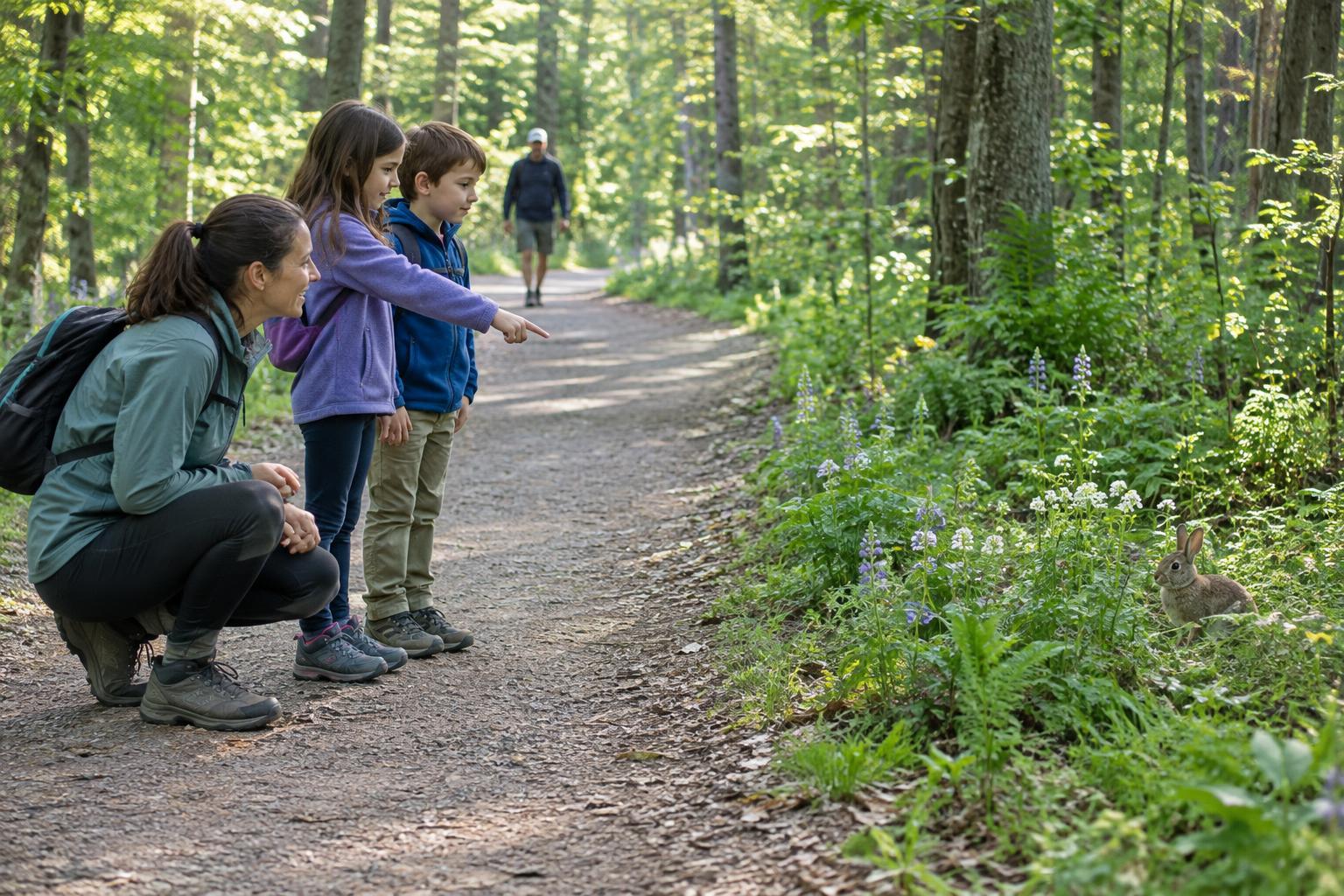
Choose one main activity and treat anything else as optional. A short walk with time to examine leaves or watch birds can be enough. If the family has energy afterward, you can extend the trip. If not, you have still done what you came to do. An easy finish is often more inviting than an ambitious plan that leaves everyone rushing.
Packing for every possibility
It is tempting to bring extra toys, multiple changes of clothes and supplies for every imagined change of plans. Too much gear can make leaving the house slower and moving around more awkward. The answer is not to leave useful items behind, but to match what you carry to the outing.
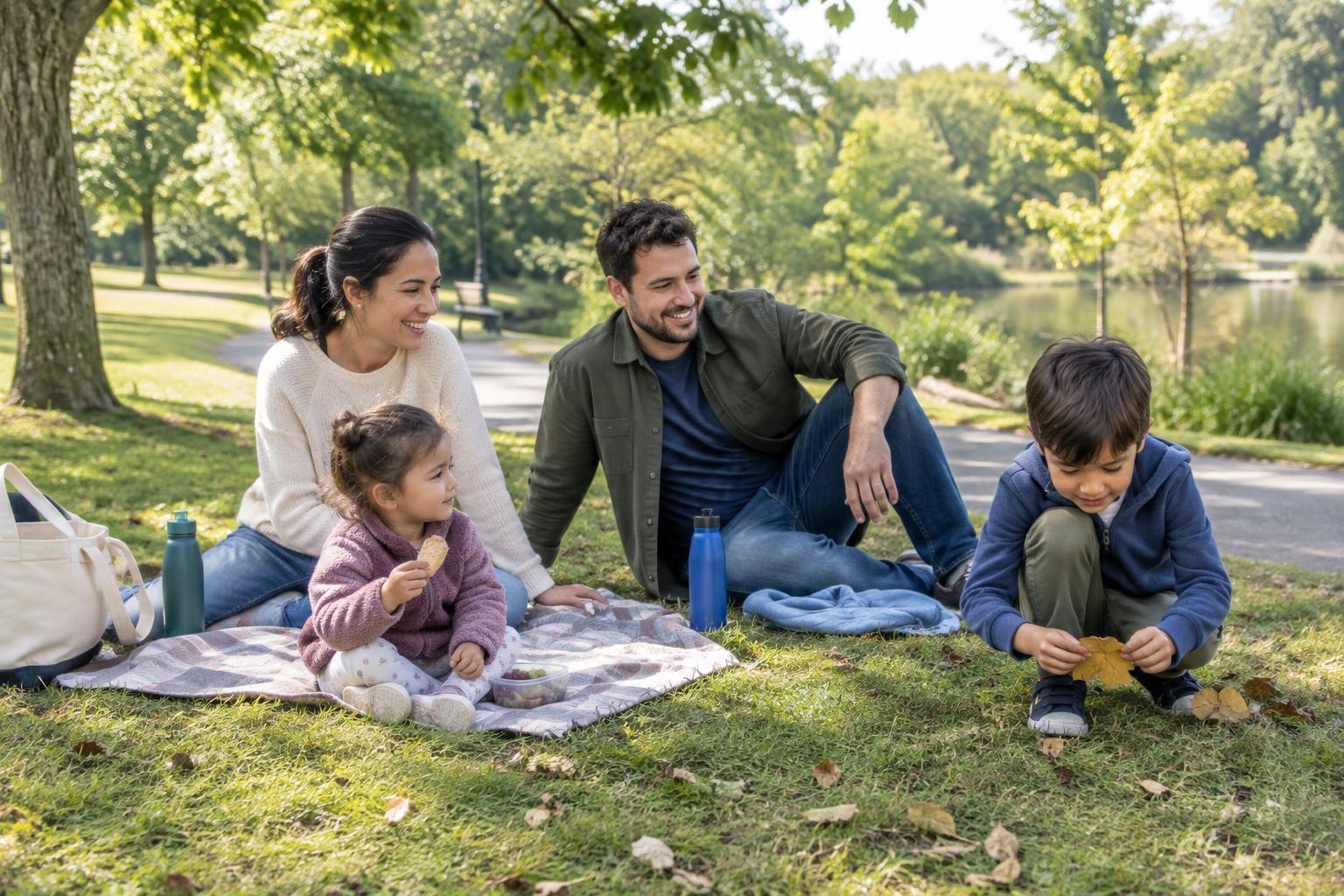
Start with the essentials for your family, such as water, weather-appropriate layers, a snack and any items a child regularly needs. Then consider the destination: a nearby playground may call for less than a longer trip away from home. A small bag kept ready with reusable basics can shorten the next departure. After each outing, notice what you used and what stayed untouched, and adjust your list.
Planning around the destination, not the people
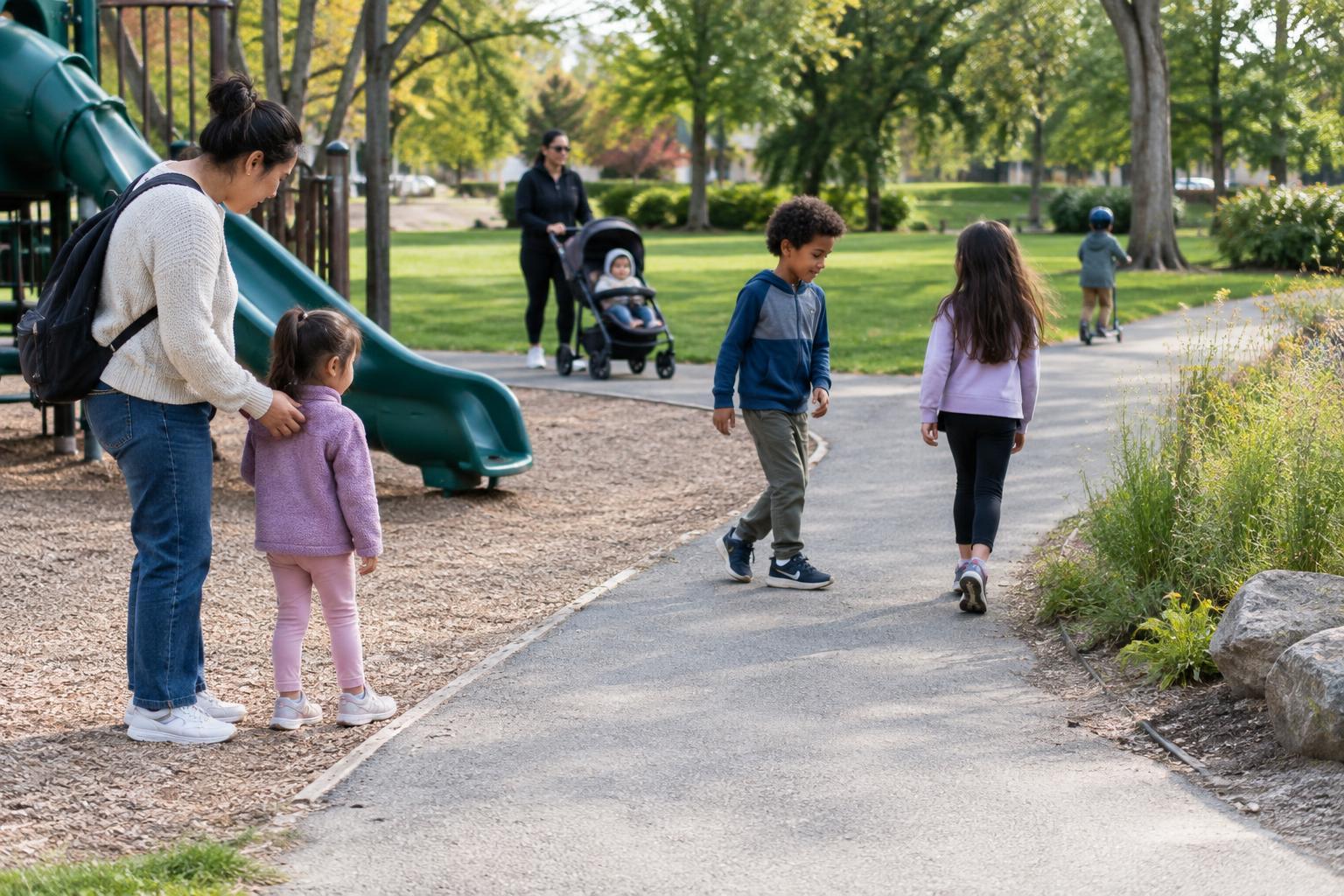
An appealing destination is not always a good fit for that day. A long journey, a crowded setting or an activity with little room to move may be difficult when someone is tired or eager for active play. Children of different ages may also want different things: a toddler may enjoy repeating a short path, while an older child may hope to explore farther.
Before setting out, think about the pace the group can manage. Look for places where you can pause, change direction or leave without losing the whole point of the trip. Offer simple choices where possible, such as which path to take first or where to sit for a snack. A flexible setting gives family members room to participate in their own ways.
Forgetting that transitions are part of the outing
The outing begins before you reach the door and continues after you decide to go home. Finding shoes, stopping an enjoyable game and getting into a car or stroller can take attention and time. A rushed start or an abrupt ending can make even a pleasant hour outside feel stressful.
Build a little space around departure and return. Tell children what the plan is in plain language, including when you expect to head home. As the end approaches, give a simple reminder and allow time for one last turn on the swings or one final look at a favorite spot when practical. At home, leave room to put things away and settle back in rather than expecting an immediate switch to the next activity.
Measuring success by how long everyone stays happy
No outing runs smoothly from start to finish. Someone may dislike the wind, want to leave early or lose interest in the planned activity. Treating those moments as proof that the trip has failed can add pressure for adults and children alike.
Aim for a manageable experience rather than a perfect one. Notice what held the family’s interest, what made things harder and whether a shorter version would work better next time. Sometimes the best choice is to change the plan or head home. A brief visit to a familiar outdoor place still offers a chance to move, notice the surroundings and spend time together. When outings are simple enough to repeat, they can become a comfortable part of family life.