Start with a place you can revisit
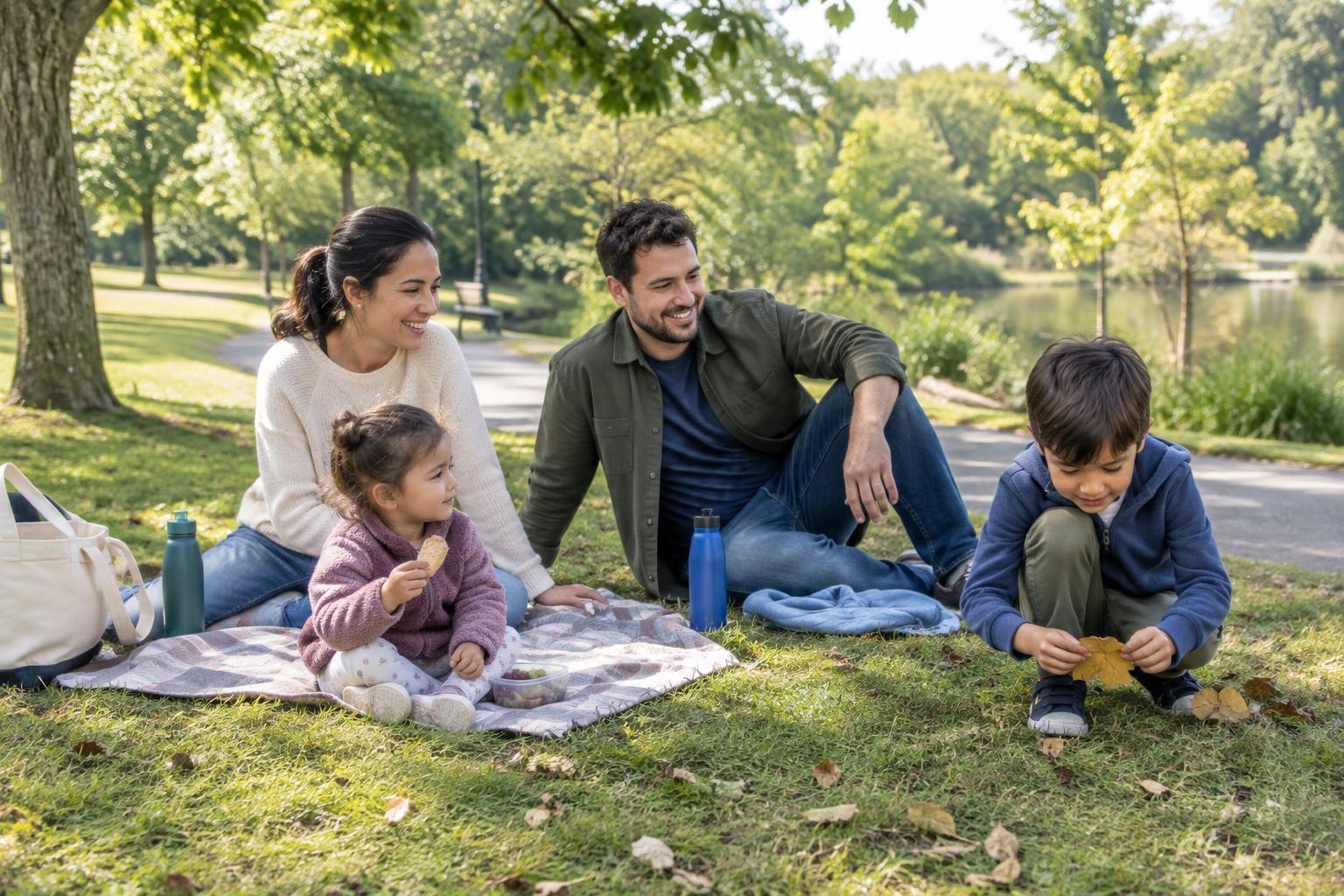
A nature journal does not require a long hike or an ability to name every plant. It is simply a place to record what your family notices outdoors. A patch of grass, a courtyard tree, a neighborhood path or the view from a window can offer plenty to observe. Returning to one familiar place makes small changes easier to spot: a new leaf, a different bird call or a puddle that was not there last time.
Choose a format that fits your household. A notebook and pencil are enough, but loose pages in a folder can work better if several people want to draw at once. Keep the supplies somewhere easy to find, and consider taking a few notes after you come inside rather than carrying everything outdoors. The journal should support time outside, not become another task to complete before anyone can leave.
Make room for every kind of observation
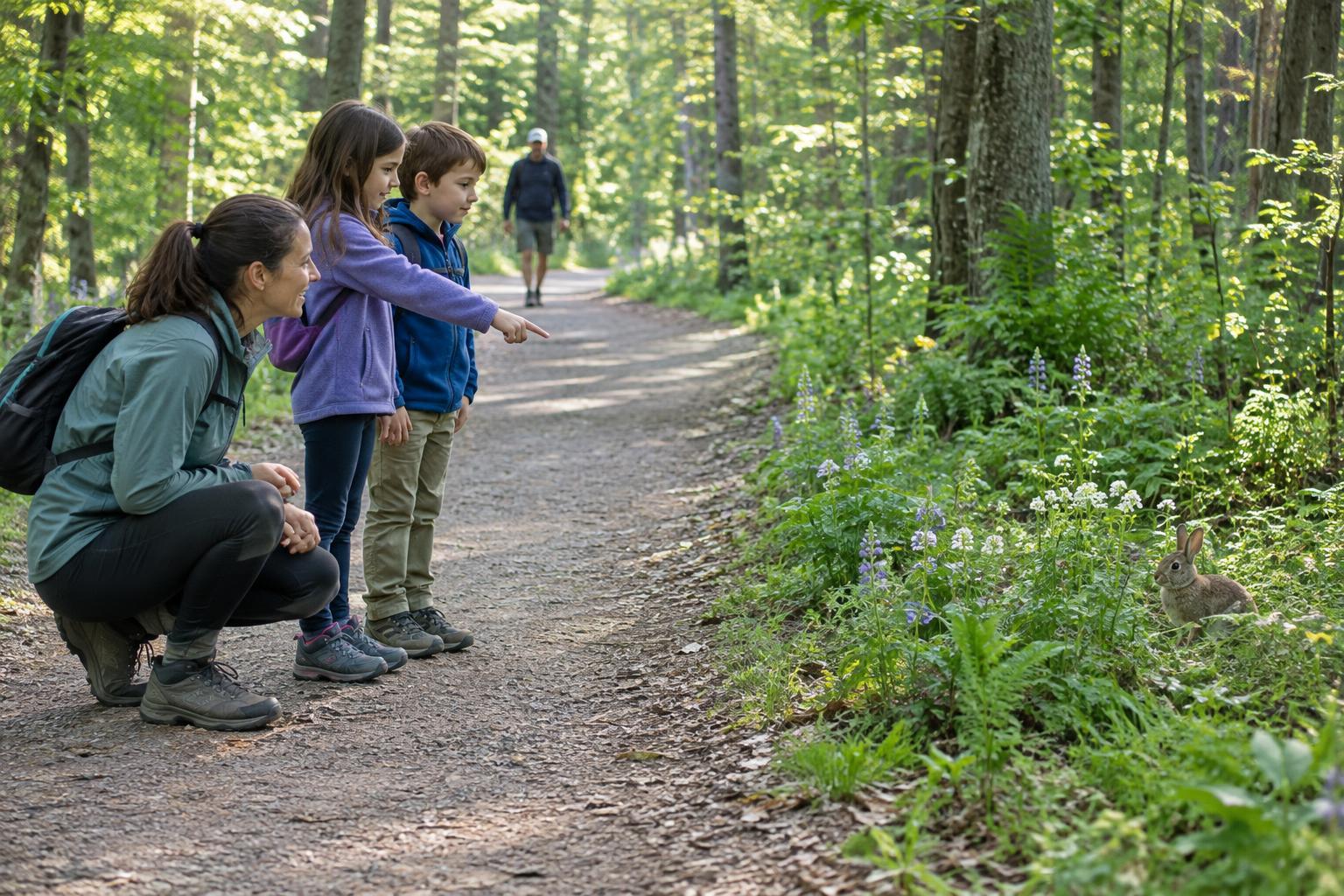
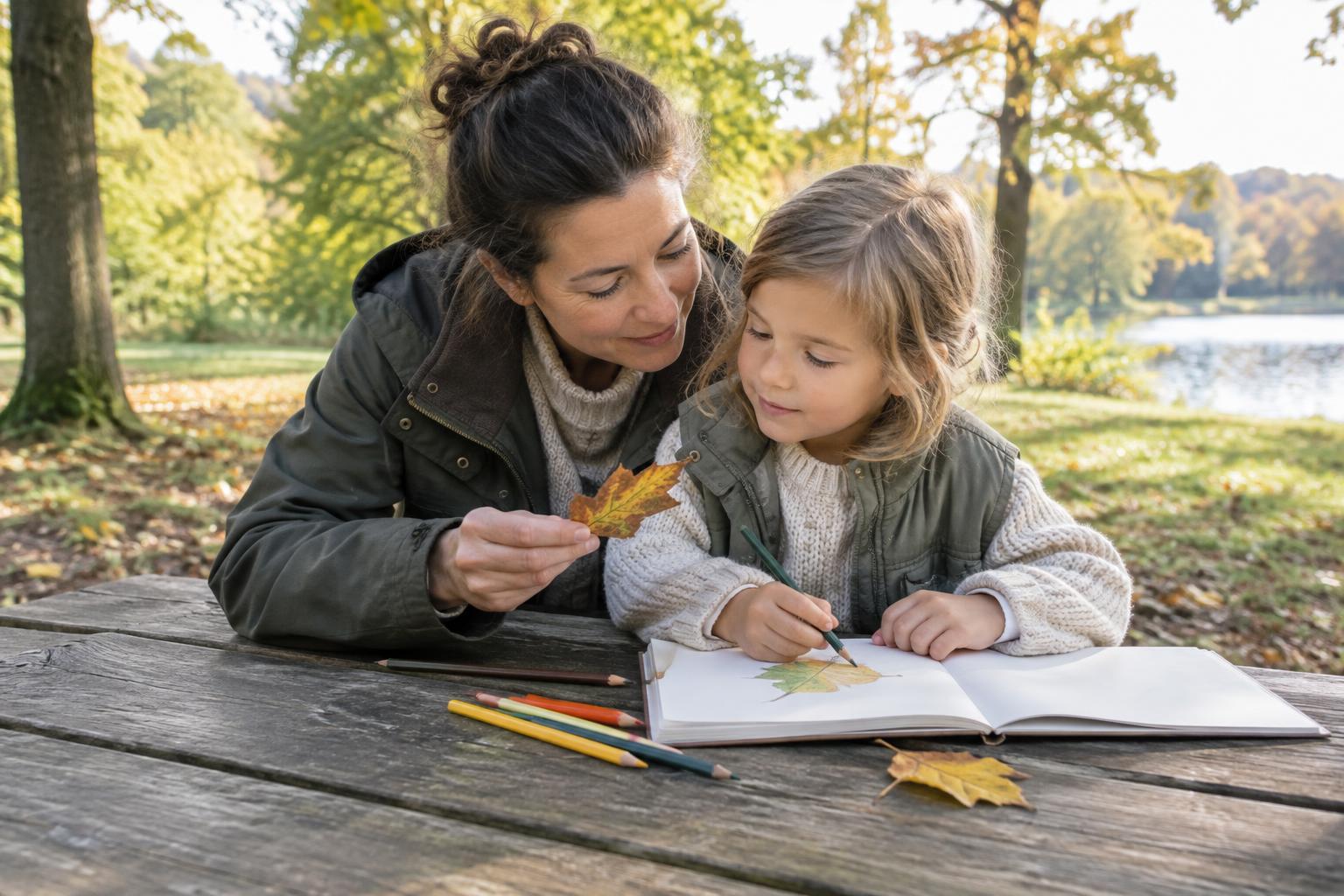
Invite each person to contribute in a way that feels comfortable. A young child might point to something for an adult to sketch or describe. Another child might draw the shape of a cloud, trace the outline of a fallen leaf or dictate a sentence. Older children and adults may enjoy writing questions alongside their observations. None of these entries needs to look polished; a quick mark can help everyone remember a moment.
Simple prompts can get a page started: What do you see, hear or feel? What looks different from the last visit? What would you like to look for next time? It is fine to write “small yellow flower” if you do not know its name. Comparing what you noticed later can be more engaging than rushing to find an answer. A journal can hold guesses and unanswered questions as well as facts.
Notice the seasons without following a strict schedule
Seasonal journaling works best when it follows what is actually happening around you. In spring, you might notice new growth or a change in the sounds outside. Summer can bring attention to shade, insects and plants that look different in warmer weather. Autumn may offer changing colors and fallen seeds, while winter can draw attention to bare branches, tracks or the shapes of clouds. What you observe will depend on where you live.
You do not need an entry every week. Try revisiting the same spot when it suits your family, then add a date, a few words about the weather and one thing someone noticed. If weeks pass between entries, the gap may make a change more striking. Looking back through earlier pages can prompt conversations about what stayed the same, what changed and what the family hopes to notice next.
Keep collecting optional and respectful
Many observations can stay where you find them. Sketching a flower, describing a feather or noting the pattern on a rock lets the journal hold the memory without bringing the object home. If your family does collect something, choose only where it is permitted and avoid disturbing living plants, animals or their homes. Photos, drawings and written descriptions are useful alternatives.
Set simple boundaries before heading out, such as staying on agreed paths and asking an adult before touching unfamiliar plants or animals. Dress for the conditions and adjust the outing if the weather or setting is uncomfortable. A short visit still counts. From a sheltered spot, children can observe wind moving branches or rain changing the ground without needing a lengthy outdoor activity.
Let the journal become a family conversation
The most useful part of a family nature journal may be the attention it encourages. One person might notice a sound while another spots a color. Asking “What caught your eye?” gives children room to lead, and recording their words can show them that their observations matter. When family members disagree about what they saw, you can write down both descriptions and look again another day.
Every so often, open the journal together and choose a favorite page. You might add a new note beside an old drawing, compare views of the same tree or decide where to visit next. Let the journal grow in whatever way your family enjoys. Its purpose is not to document every outing, but to make space for curiosity during ordinary time outdoors.