Start with a few clear expectations
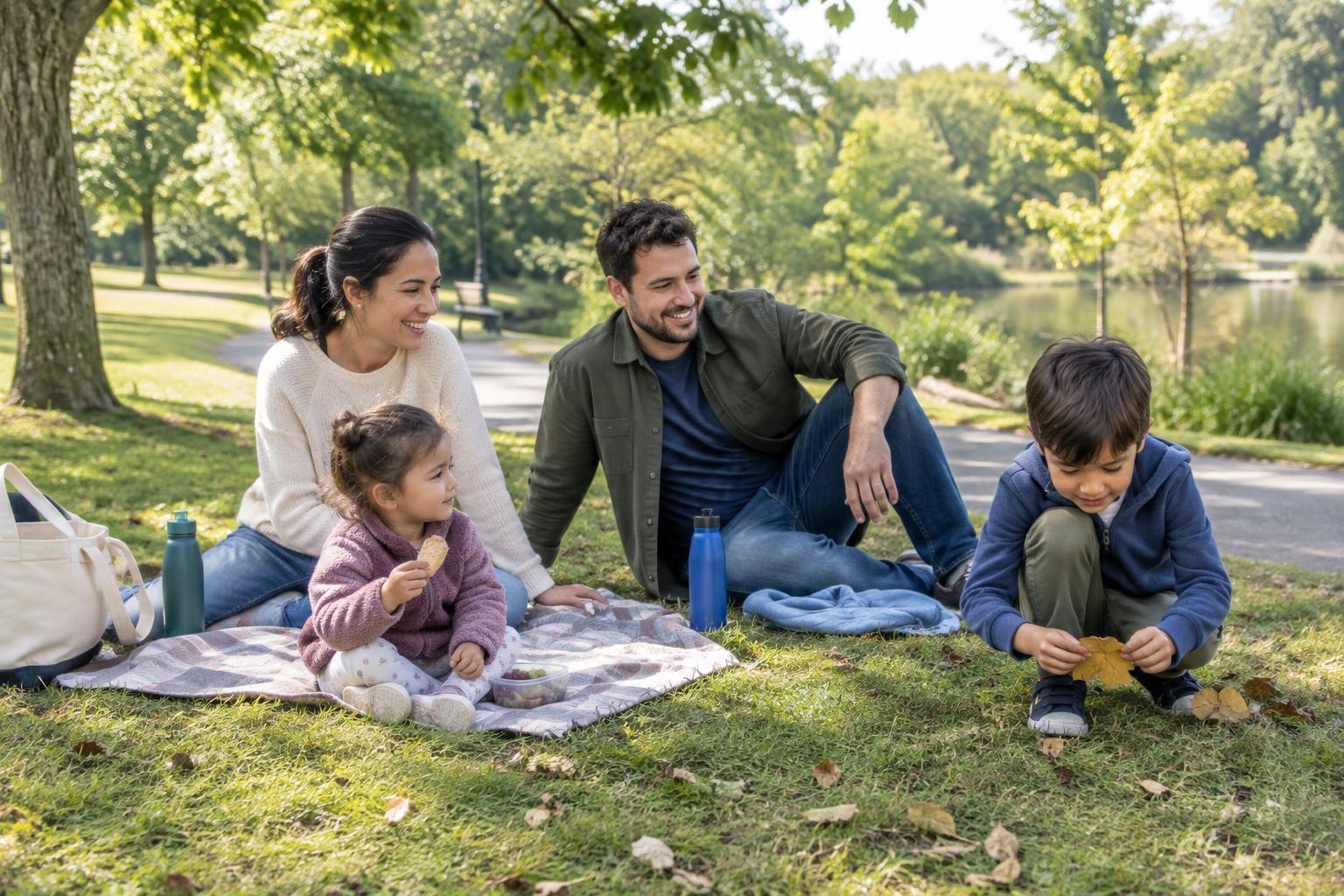
A park belongs to many people at once: children who want to run, visitors looking for a quiet walk, families using the playground, and people moving through on foot or with mobility aids. Before you arrive, choose two or three expectations your child can remember. “We take turns,” “We leave room for others,” and “We put litter in a bin or take it home” are easier to use than a long list of rules. Point out that different areas may have different purposes, such as paths for walking and open space for active games.
Keep the conversation suited to your child’s age. A toddler may learn through a short reminder and a nearby adult who models what to do. A preschooler can practice saying, “Can I have a turn when you’re done?” An older child can help spot where a ball game will not interrupt people resting or walking. Children may need reminders even when they know the expectations; a busy park asks them to notice a lot at once.
Make room for different kinds of play
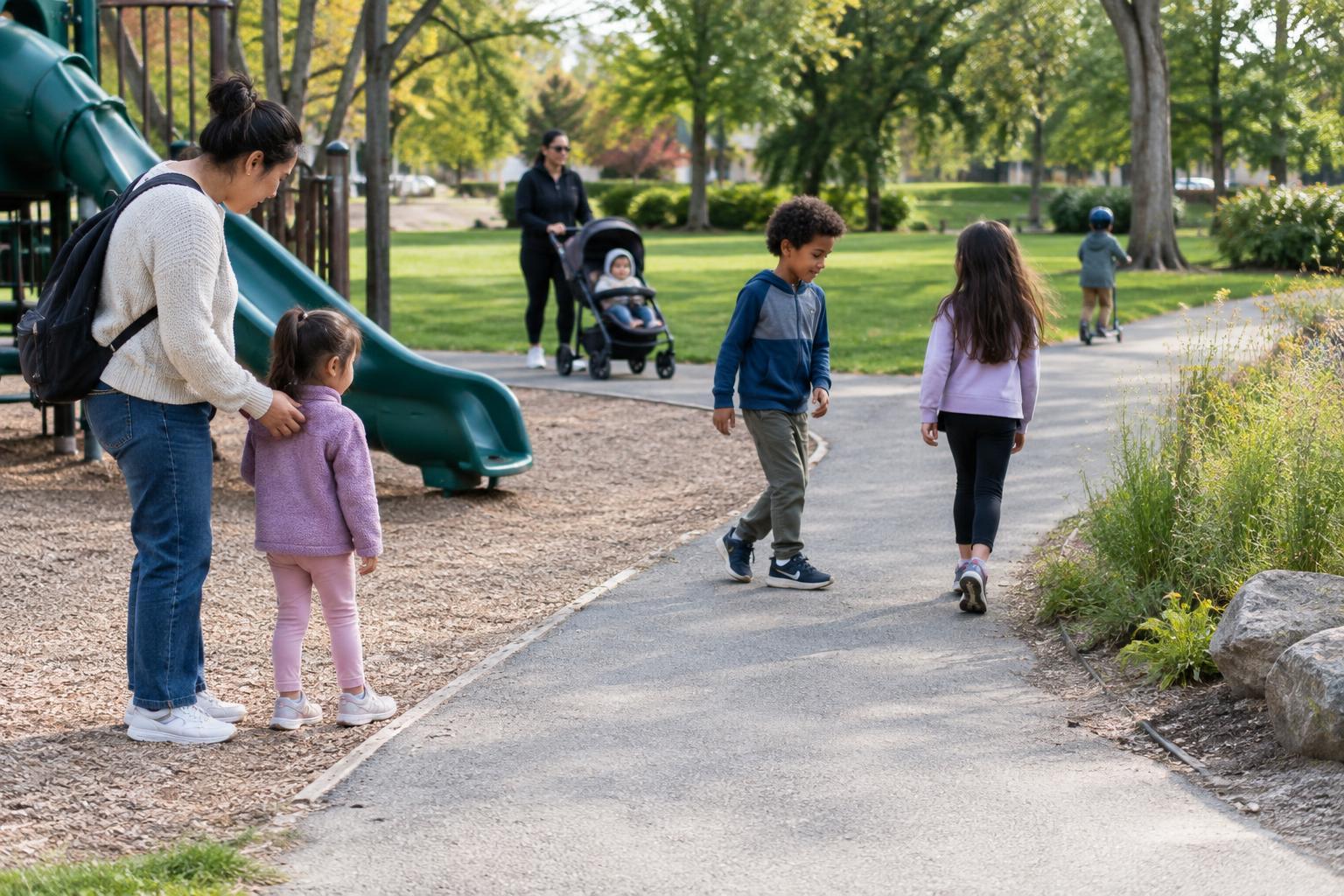
Playgrounds can bring together children with very different sizes, speeds, and abilities. Encourage your child to look before running across a path or stepping onto equipment. At a slide, a simple routine is to wait until the landing space is clear before going down, then move aside so the next person has room. If equipment is crowded, suggest another activity nearby rather than treating the wait as a problem someone else must solve.
Sharing space does not mean every child must play together. One child may want a group game while another prefers to watch, play alone, or use equipment in a different way. Help children ask before joining a game or handling someone else’s toys, and accept a “no” without pressing. When a child needs extra room or time, families can model patience without asking personal questions about that child.
Practice taking turns without forcing a script
Turn-taking is easier when children know what comes next. You might say, “Let’s wait behind the line until the swing is free,” or “After your turn, we’ll check whether someone is waiting.” For young children, stay close enough to help them notice the queue and follow through. For school-age children, ask what a fair turn looks like when others are waiting. The goal is not a perfect exchange every time, but a repeatable way to pause, notice, and respond.
Conflicts will still happen. If two children reach for the same space, first help them stop and make room for each other. Describe what you saw without assigning motives: “You both headed for the climbing steps.” Then offer a practical next move, such as taking turns or choosing separate routes. If play becomes too rough for the space, guide your child to a more suitable area or activity. A calm reset teaches more than a public lecture.
Respect paths, nature, and other visitors
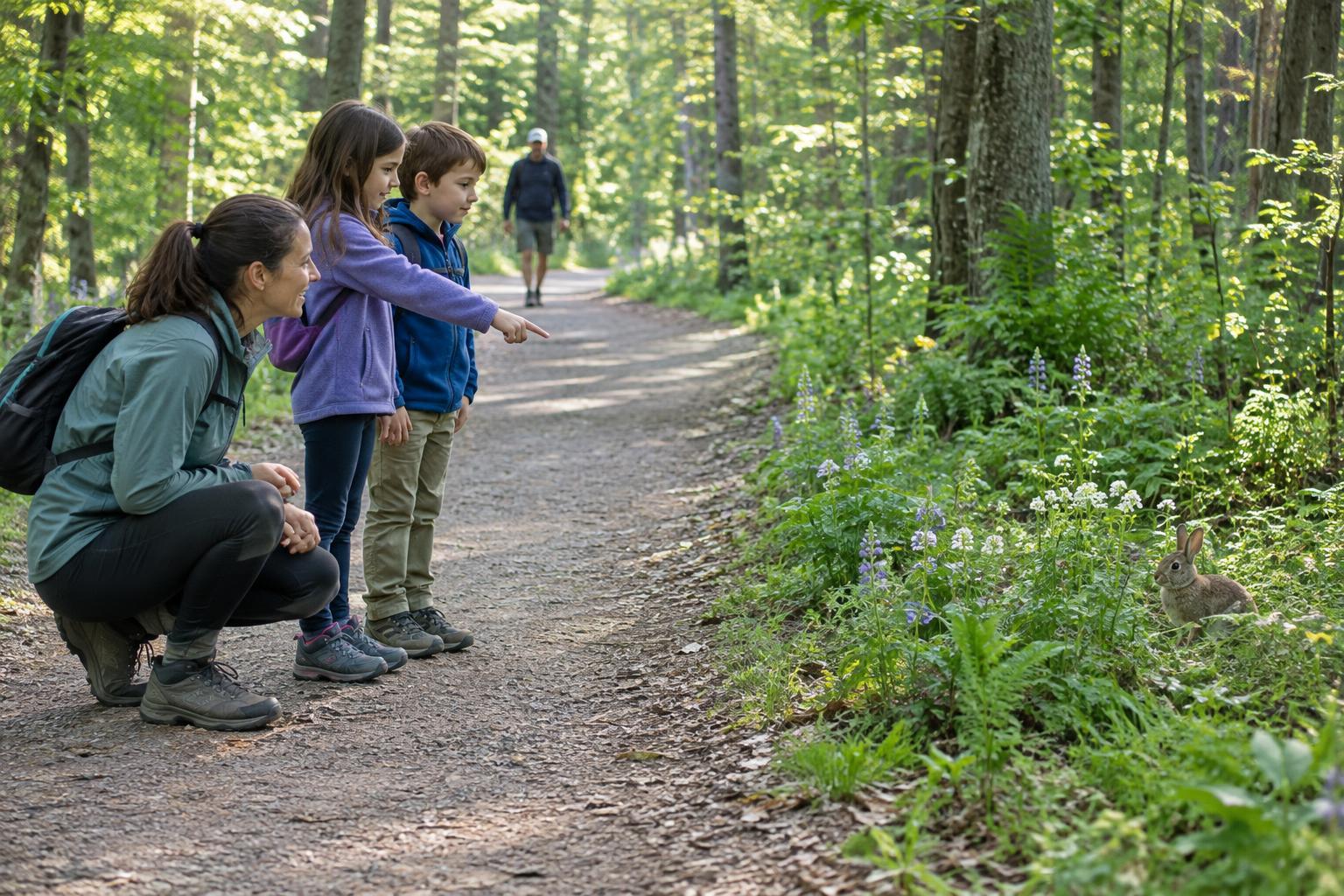
Park etiquette extends beyond the playground. On shared paths, encourage children to leave enough room for others to pass and to pause at the side when the family stops to look at something. Before approaching a dog, children should ask its handler for permission and wait for an answer; it is also fine simply to give the dog space. Near picnic blankets, gardens, or quiet seating areas, talk about how active play can affect people nearby.
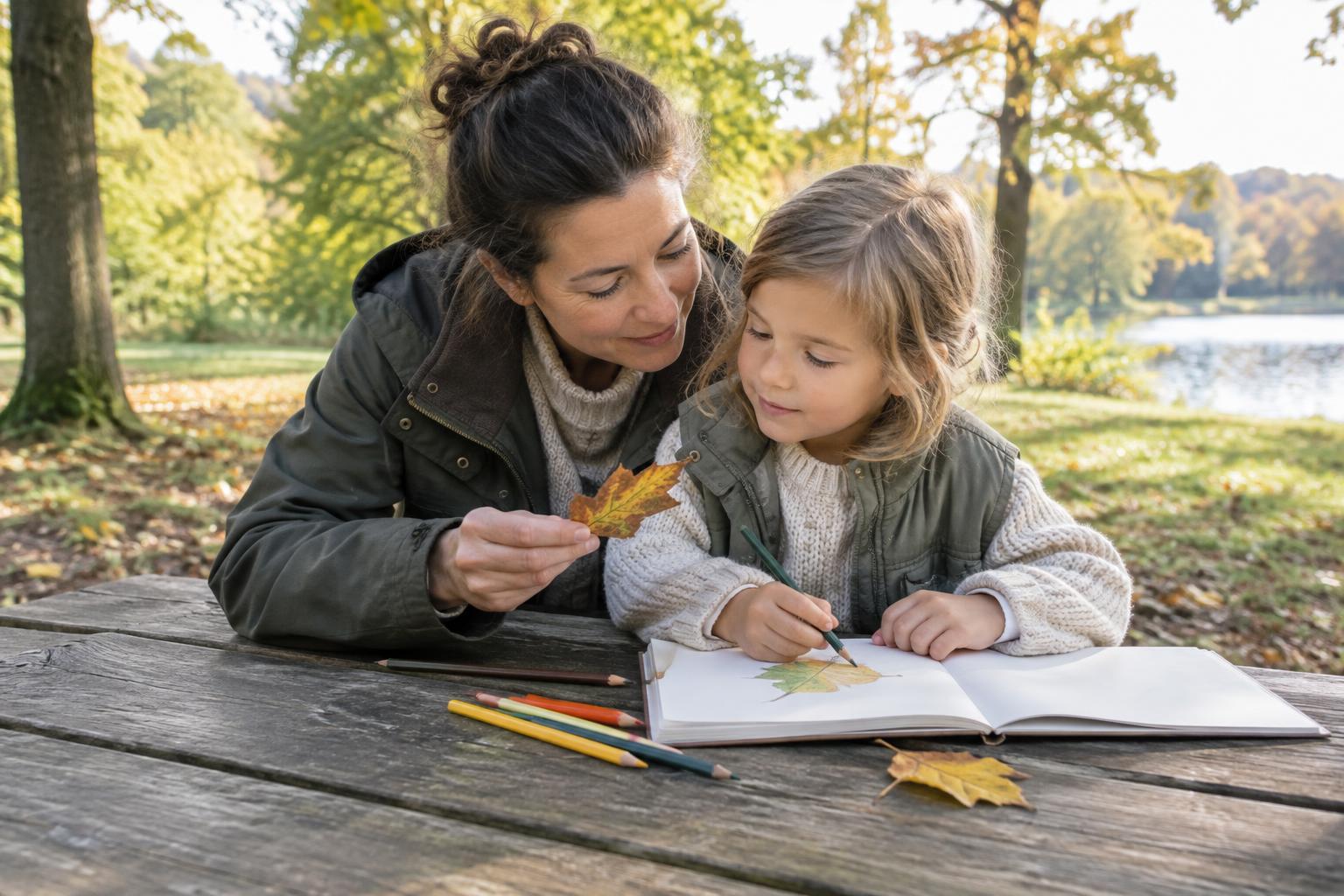
Caring for the setting gives children a useful job. They can carry a snack wrapper to a bin, keep borrowed toys together, or help check that the family has not left anything behind. Follow posted park guidance about plants, wildlife, and play areas. Rather than collecting whatever catches their eye, children can photograph, draw, or describe an interesting leaf or insect and leave it where they found it.
Use each visit as low-pressure practice
Park manners develop through repetition, not one big conversation. On the way home, ask one specific question: “When did you make room for someone today?” or “What could we try next time the swings are busy?” Notice helpful choices without expecting children to manage every social situation on their own. If a visit was difficult, pick one habit to practice next time.
Different ages can contribute in different ways. A toddler can carry their own empty snack container, a preschooler can help check for forgotten belongings, and an older child can help choose a game that fits the available space. By taking part alongside them, adults show that park etiquette is not just a set of rules for children. It is a shared way to make outdoor time more welcoming for everyone.