Dress for the activity, not just the forecast
A weather forecast is a useful starting point, but it cannot tell you exactly how a child will feel on a shady playground or during an energetic game. Wind, damp ground, sunshine and the pace of play can all change what feels comfortable. Before heading out, consider where your child will be and what they are likely to do. Sitting in a stroller calls for a different approach from running around a park.
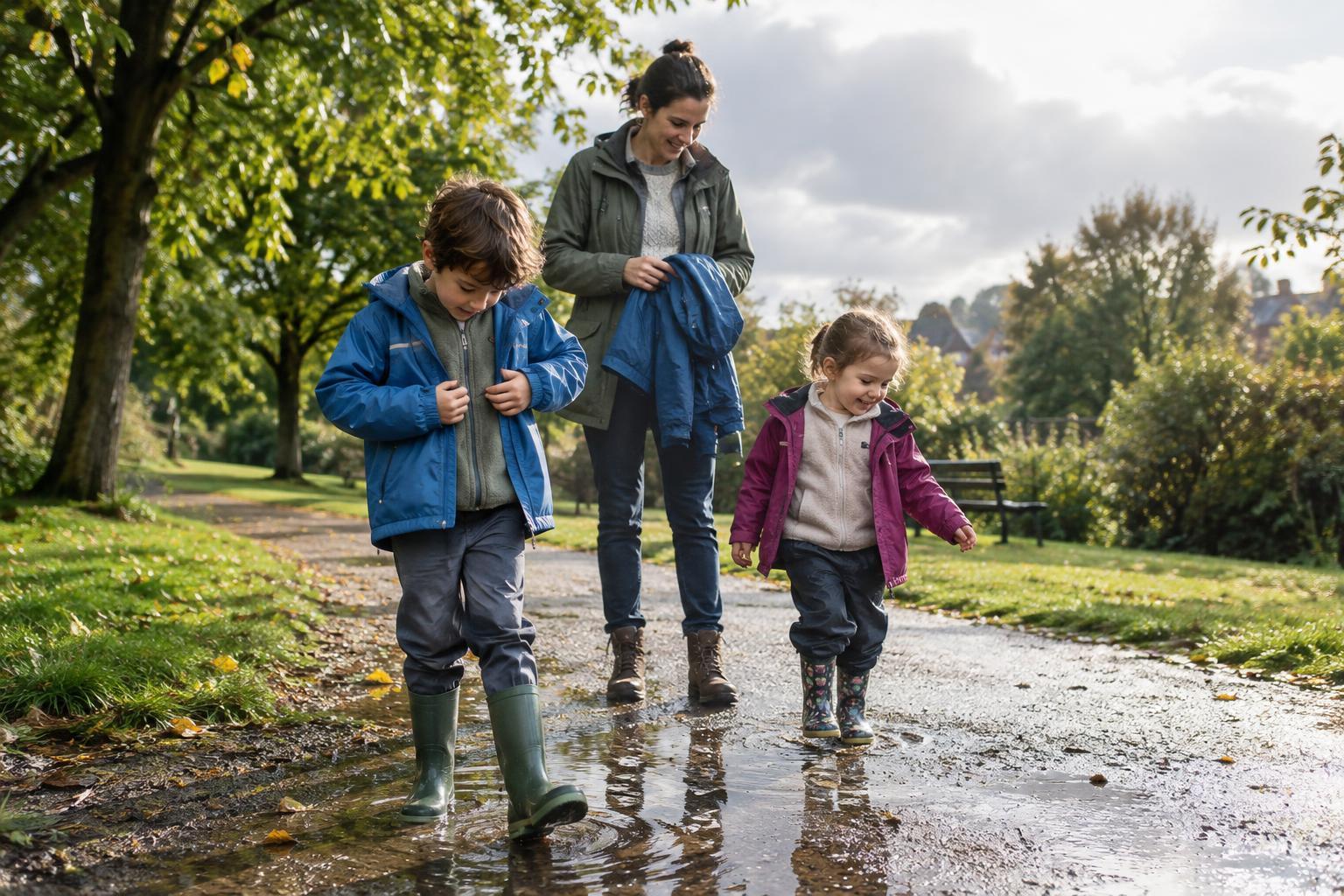
Think of outdoor clothing as something you can adjust rather than a single perfect outfit. A child who is comfortable at the door may feel warm after climbing for a while or cool during a snack break. Check in during play and look for ordinary clues: a child asking to take off a layer, tugging at uncomfortable clothing, or feeling chilly after getting wet. Their own description of how they feel is useful, too.
Build an outfit with flexible layers
Layers make small changes easier. Start with clothes that allow movement and feel comfortable against the skin. Add a warmer layer when needed, then use an outer layer suited to wind or rain. If the day warms up, you can remove a layer without changing the whole outfit. For children who dress themselves, simple fastenings and pieces they can put on and take off easily can make those adjustments more manageable.
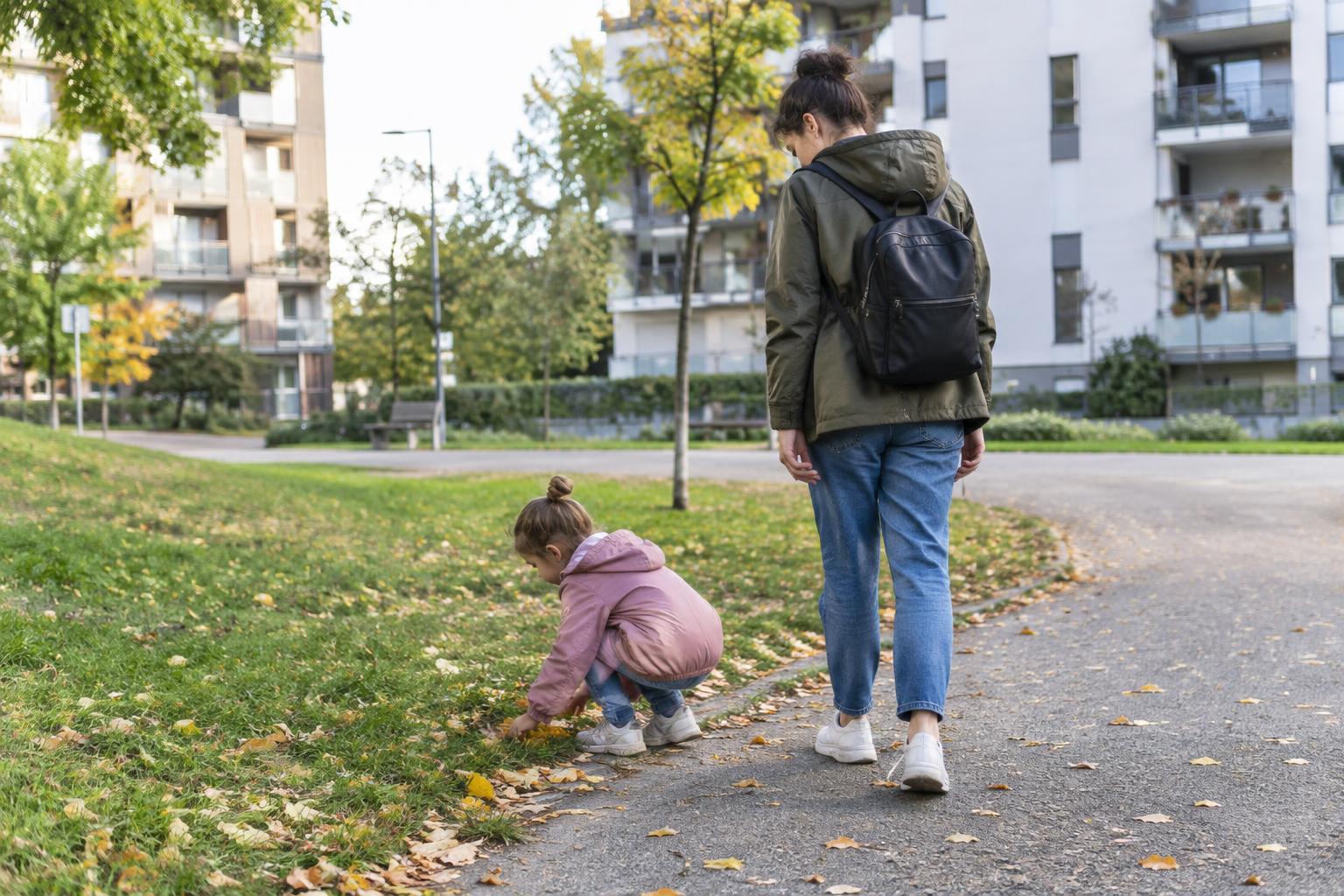
Aim for a fit that leaves room to climb, bend and run without loose fabric catching on play equipment. Shoes should suit the ground as well as the weather: a dry path, muddy field and puddled sidewalk place different demands on footwear. Socks and shoes that have become wet can make the rest of an outing unpleasant, so a spare pair may be worth packing when wet play is likely.
Plan for rain, wind and shifting sunshine
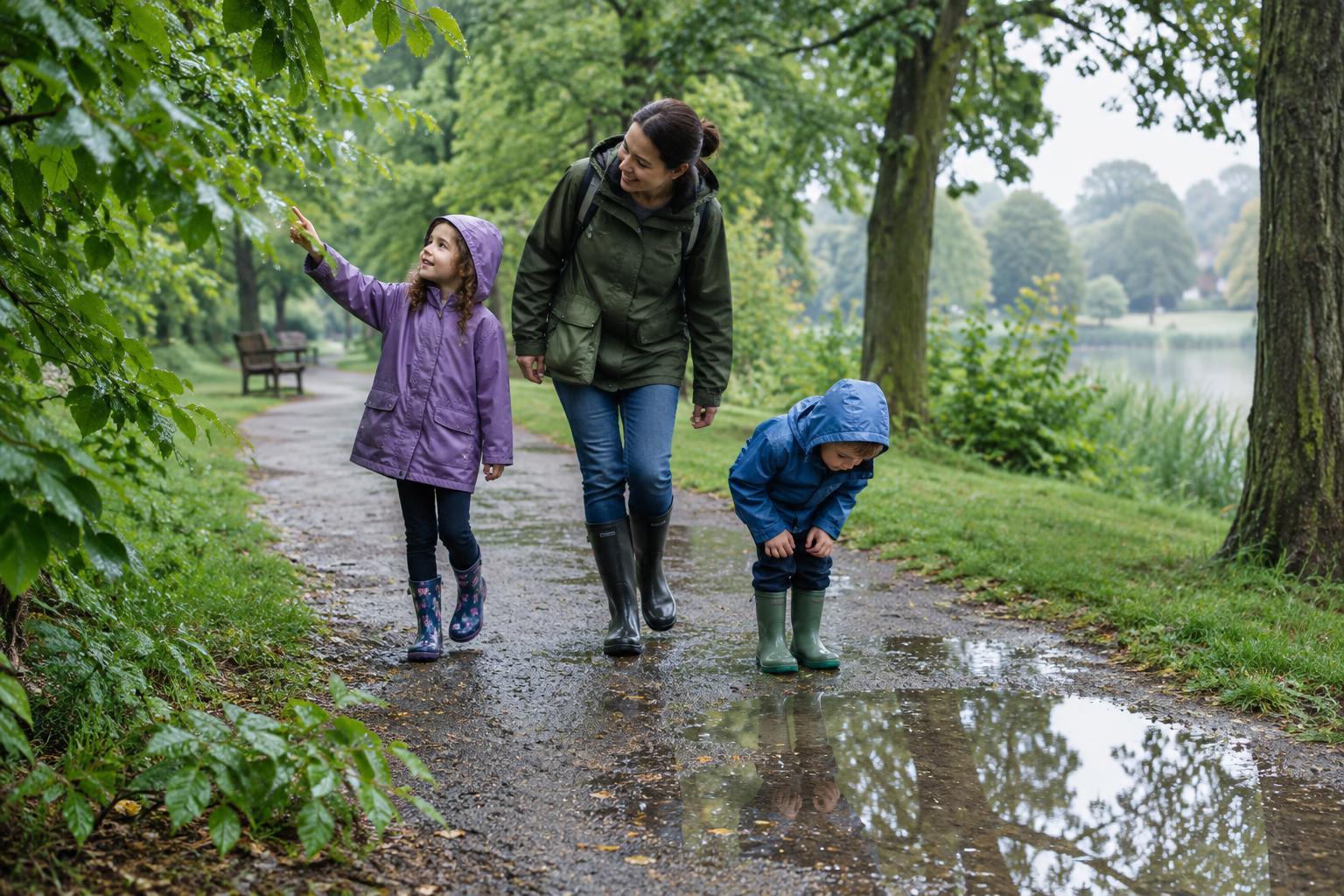
Rain does not always have to end outdoor play. A water-resistant outer layer and suitable footwear can help children enjoy a damp day, provided they can move comfortably. Notice whether water is getting through at cuffs, collars or shoes, and plan how you will change out of wet clothes afterward. On breezy days, an outer layer that blocks wind may be more useful than adding a bulky sweater.
Sunshine can change the feel of a day quickly, even when the air is cool. A hat that stays on during play and clothing that covers exposed skin can be useful choices for time outdoors. Shade and breaks are options when a sunny space feels too warm. Rather than relying on the season alone, take another look at conditions when you arrive and adjust the plan if the play area feels different from home.
Keep younger children and older children in mind
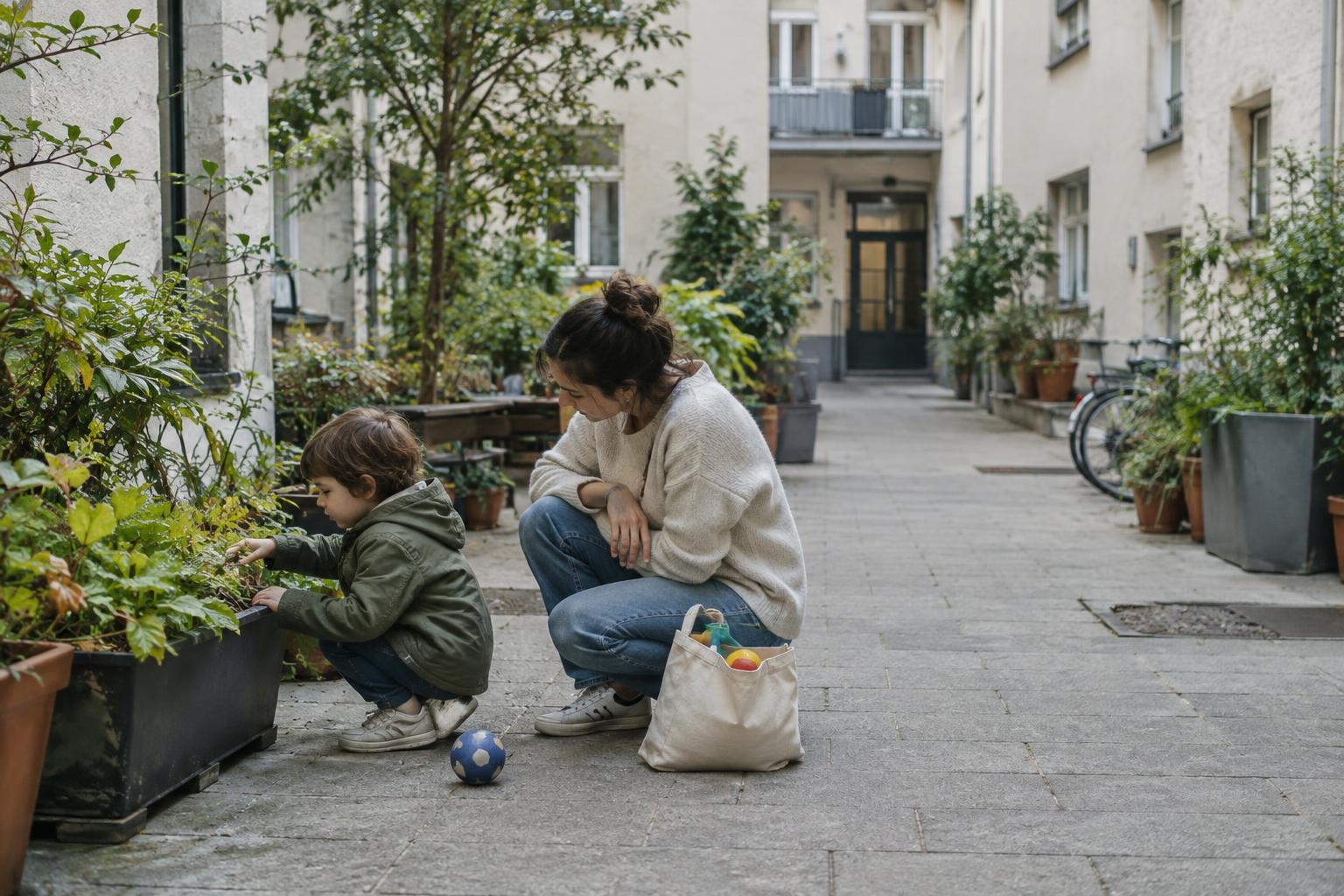
Babies and younger toddlers may not be able to say clearly when they are uncomfortable, and a child sitting still may feel different from an adult walking beside them. Check them regularly and be ready to change a layer when moving between a stroller, a play area and indoors. Choose clothing that lets them move freely as they crawl, walk or explore. If an item repeatedly slips over a child’s eyes or gets in the way, it may not be practical for play.
Older children can take a more active role. Offer a choice between two suitable layers, ask how they feel after a few minutes of play, and show them where to put a removed jacket so it does not get lost. These small decisions help children practice noticing the connection between activity, weather and comfort. An adult can still make the final call about what to bring, while leaving room for a child’s preferences.
Make getting ready and coming home easier
A simple routine can reduce last-minute searches. Keep outdoor items together, check footwear before leaving, and choose a small place near the door for hats, jackets and spare clothes. For an outing with uncertain weather, a lightweight extra layer and a bag for damp items can be more useful than trying to predict every change. Pack what suits the length of the trip and what you can comfortably carry.
After play, give children a chance to change out of wet or muddy clothes and put gear where it can dry. This is also a good time for a quick conversation: Which clothes worked well? What felt too warm, too cool or hard to move in? The answers can guide the next outing. The goal is not a flawless outfit every time, but a flexible routine that keeps outdoor play comfortable and enjoyable.