Start with their reason to go outside
A teen may have little interest in an outdoor activity chosen for the whole family, even if they enjoy being outside on their own terms. Instead of starting with a plan, start with curiosity. Do they like taking photos, meeting a friend, listening to music, practicing a skill, or finding a quiet place to think? Any of these can be a reason to head outdoors. The goal is not to make every outing educational or energetic; it is to make outside feel like a place that belongs in their everyday life.
Ask an open question when there is no immediate pressure to leave: “Is there anywhere nearby you’d enjoy spending time?” Listen for practical obstacles as well as preferences. A route may feel dull, a park may be too crowded, or getting ready may seem like more effort than the outing is worth. Their answer can help you offer a more appealing option without turning the conversation into a debate about how much time they spend indoors.
Offer options, not a family agenda
An invitation can be small: “I’m going to the market if you want to walk part of the way,” or “The yard is free if you want some space.” It is also fine to suggest an outing they can do without you, within the boundaries your family uses for independent time. A short walk, an errand by bike, or time at a familiar outdoor spot may feel more appealing than an event that requires everyone to participate together.
Friends can matter here, too. A teen who declines a family walk might welcome a chance to meet a friend outside. If plans need coordination, talk through the basics together: where they are going, how they will get there, when to check in, and what to do if plans change. Clear expectations make independence easier to offer. They also keep a casual outing from becoming a last-minute negotiation.
Make it easy to step out for a little while
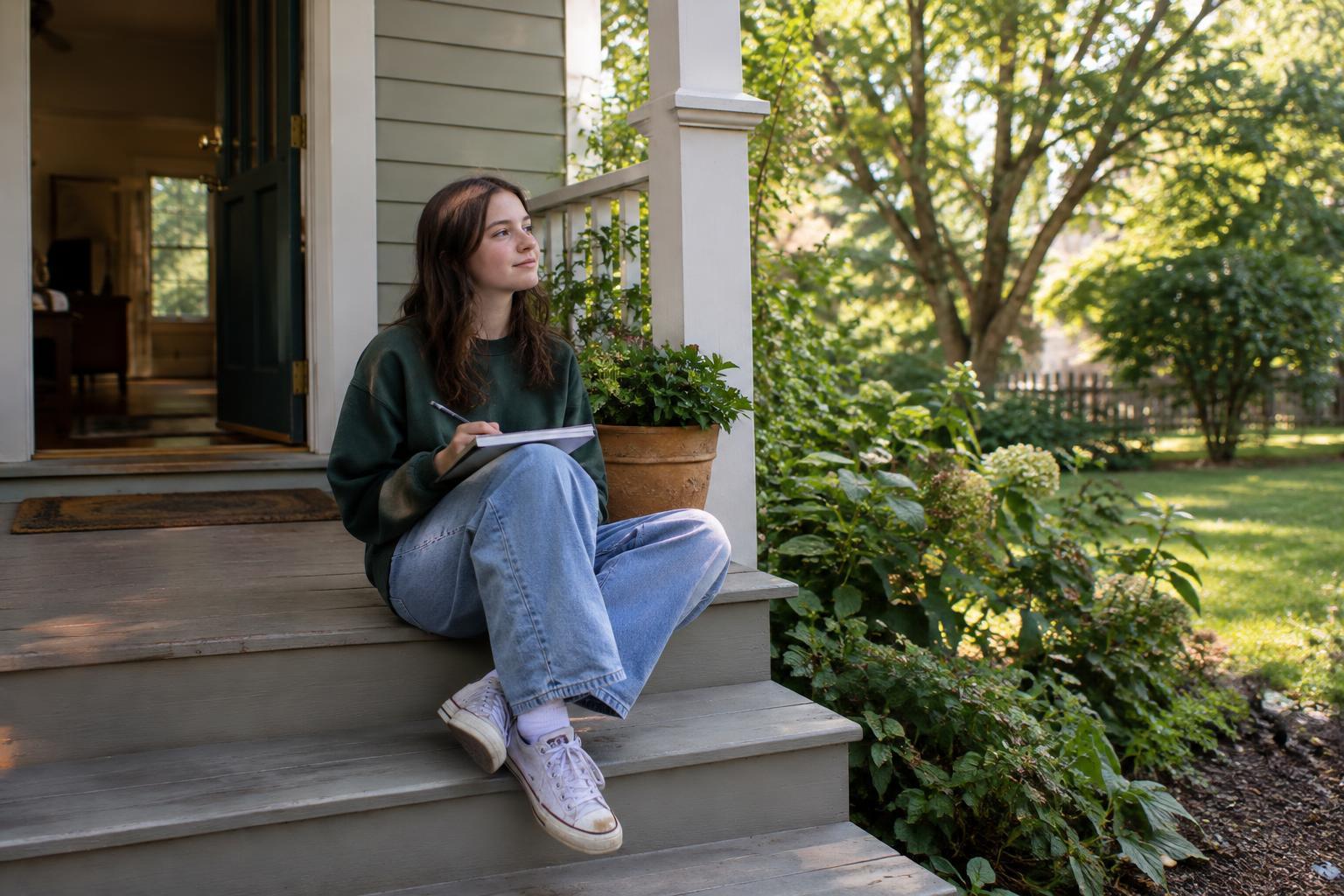
Outdoor time need not fill an afternoon. Sitting on a step with a snack, walking around the block after a long stretch indoors, or taking a drink to a nearby bench can be worthwhile simply because it offers a change of scene. Keeping familiar shoes, a jacket, or other useful gear easy to find can remove a small barrier. If your teen is already heading out for another reason, there is no need to add a separate outdoor task to the trip.
Pay attention to what is realistic in your setting. Weather, traffic, daylight, accessibility, and available public space all shape the choices a teen has. On some days, an open window or a few minutes in a sheltered spot may be more inviting than a long outing. Avoid presenting one kind of outdoor experience as the only one that counts.
Leave room for privacy and downtime
Teens often want more say over how they spend their free time. Being outdoors can offer room to talk with a friend, listen to something, or simply be alone without a scheduled activity. Respecting that purpose may be more effective than asking for a report afterward. You can stay interested without making every walk or trip outside into a conversation about its benefits.
Likewise, try not to treat a declined invitation as a verdict on family connection. Someone may be tired, absorbed in a project, or just not in the mood. A low-pressure “Maybe another time” leaves the door open. If you want time together, say so separately and offer a choice; that keeps an invitation outdoors from carrying an unspoken obligation.
Build a pattern teens can shape
The most useful approach may be to create opportunities rather than a rule. Let your teen know about a local place they might enjoy, ask whether they want a ride to meet friends, or invite them to help choose a route for an occasional errand. Notice which ideas they take up, and be willing to drop the ones they do not. Their interests may shift, so the options can shift too.
Family outdoor time can still happen, but it does not have to be the default or the measure of success. A teen may join everyone one week and prefer a solo walk the next. When outdoor time is flexible, reasonably convenient, and compatible with growing independence, it has a better chance of becoming something they choose for themselves.