Start with a shared plan
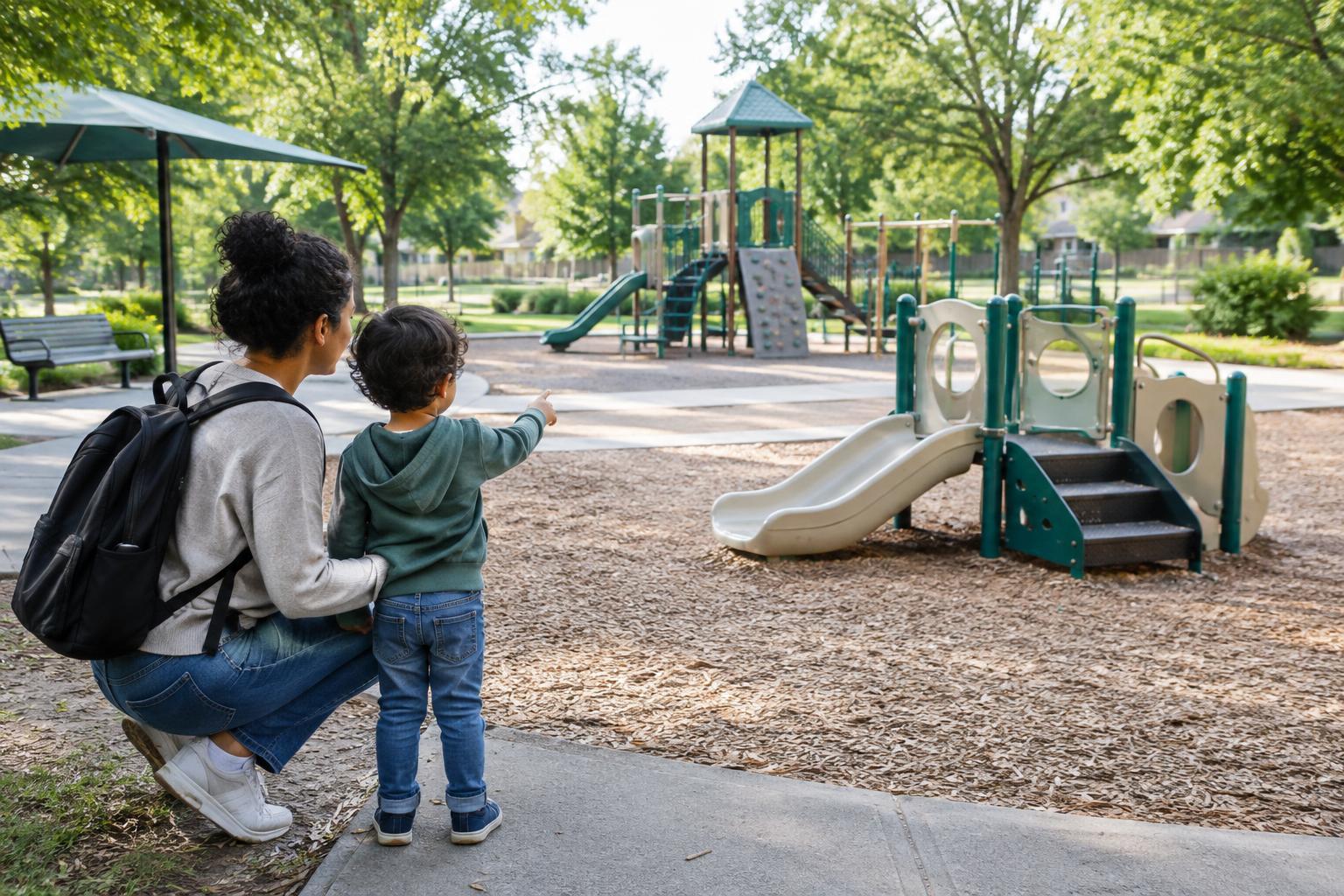
A playground visit often begins before anyone reaches the climbing equipment. Take a moment to notice the layout together: where the exits are, which areas suit your child, and where you will be if they need you. A simple plan can make exploration feel less like a series of warnings. You might say, “I’ll be by this bench. Check that you can see me before you move to another area.” For a younger child, the plan may be as simple as staying beside the same play structure.
Set a few clear boundaries that fit the place and your child’s abilities. These could include asking before leaving the play area, waiting for a swing to stop before walking past it, or using equipment in a way that leaves room for others. Keep the rules brief enough to remember. Once you have explained them, your child can spend more time playing and less time listening to reminders.
Match your distance to the moment
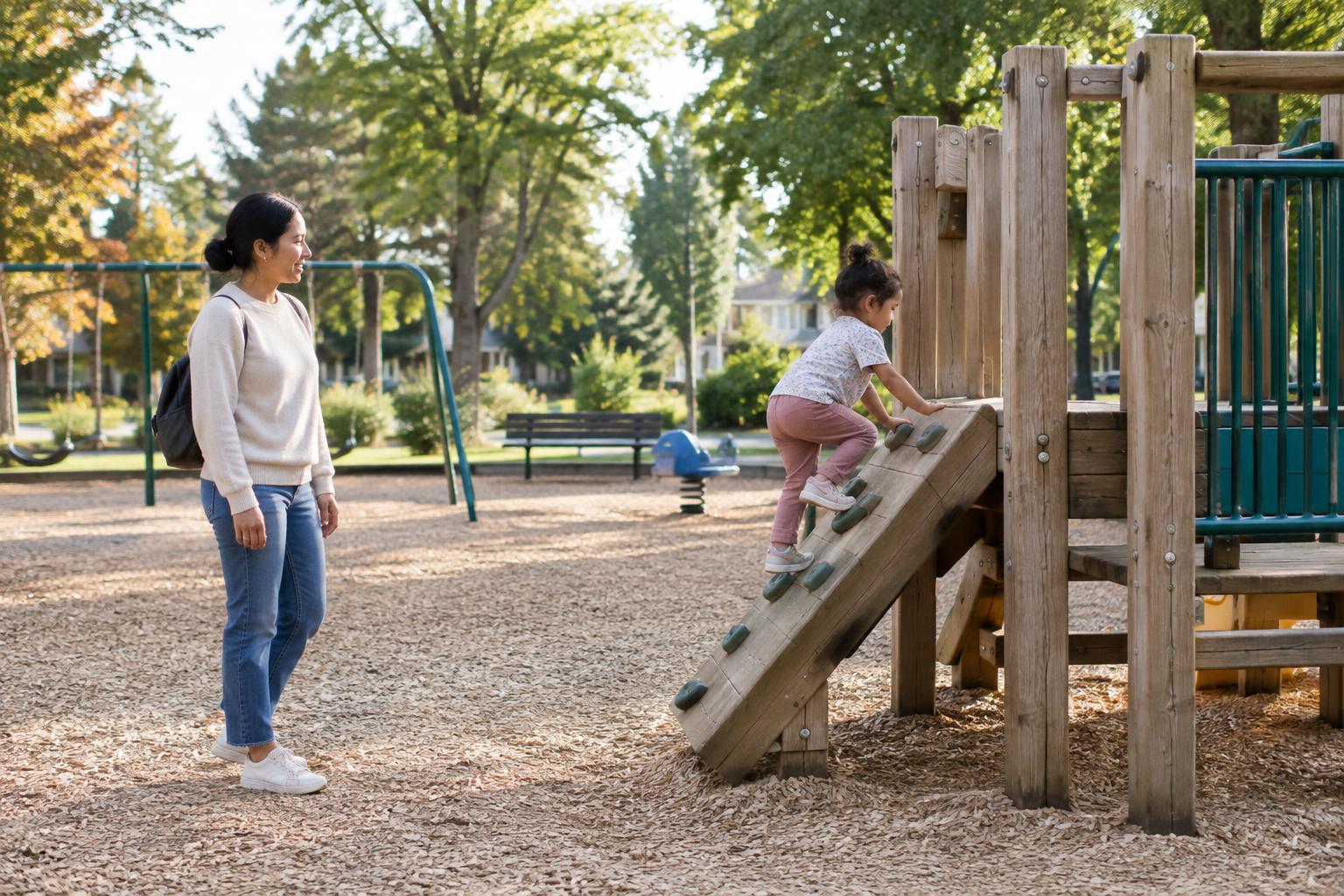
Staying nearby does not always mean standing at a child’s shoulder. A toddler finding their footing on low steps may need you within arm’s reach. An older child who knows the playground and can find you easily may have room to move farther away. The right distance can change during one visit as the area gets busier, your child gets tired, or play moves to unfamiliar equipment.
Choose a place where you can watch the parts of the playground your child is using, then move when your view is blocked. Give closer attention around swings, crowded climbing areas, and places where a child could leave the play space unnoticed. Being available matters more than appearing to watch every second without interruption. If you are caring for children of different ages, agree on a manageable play area so you are not trying to supervise opposite ends of the playground at once.
Pause before stepping in
Small challenges are part of playground play. A child may need time to decide how to climb down, ask for a turn, or try a route that does not work on the first attempt. When there is no immediate danger, pause and see what they do. Your presence can be reassuring without becoming a running commentary. You might offer a short prompt such as, “Where could your foot go next?” and leave the next choice to them.
Step in sooner when a situation is beyond what your child can reasonably manage, when someone may be hurt, or when another child’s space is not being respected. Helping need not mean taking over: you can steady a younger child, move closer while they climb, or help two children find words for a disagreement. If your child asks for help, respond to the request rather than treating independence as a test they must pass.
Make room for different ways to play
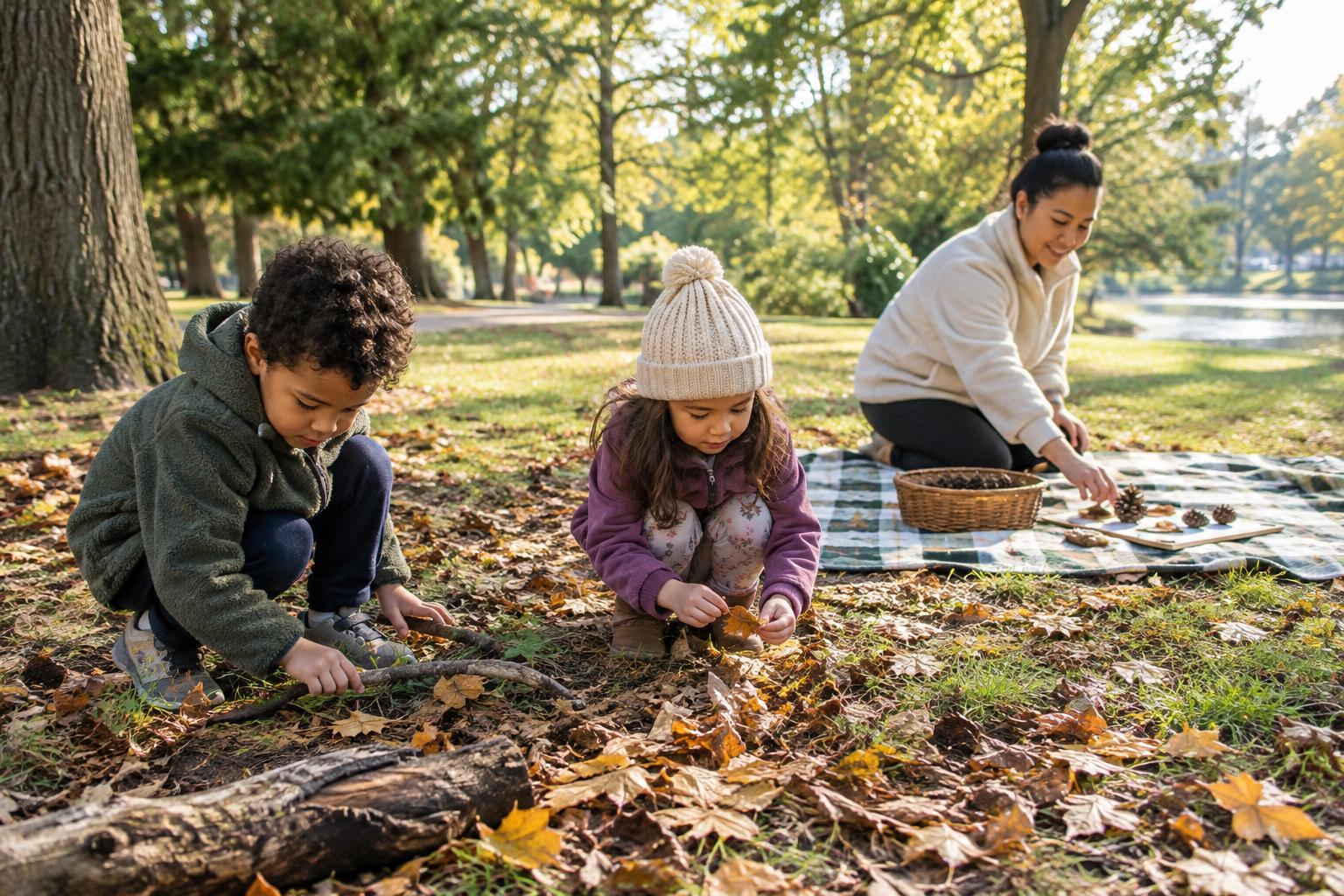
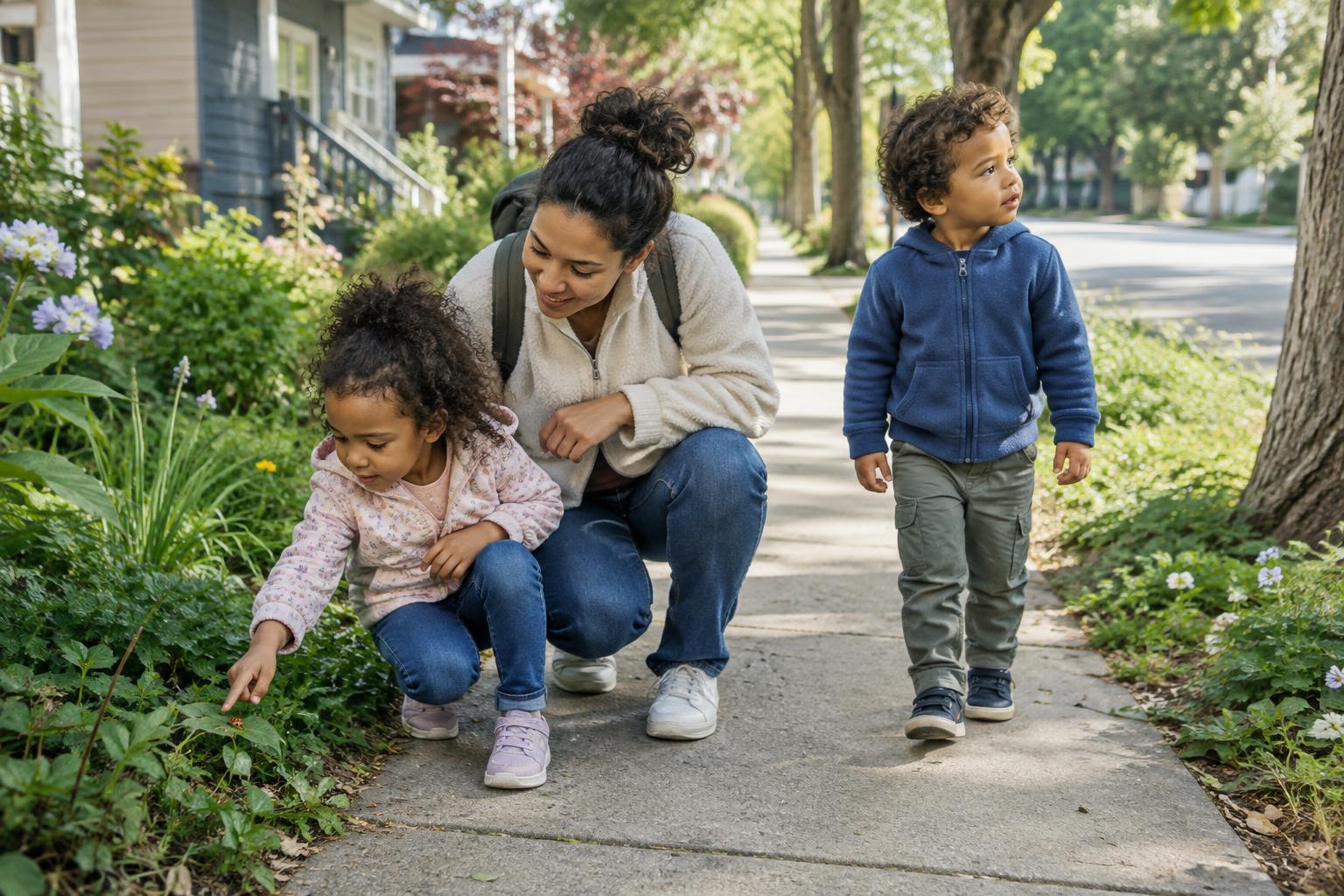
Not every child wants to race toward the tallest structure. Some watch first, return to the same slide many times, collect fallen leaves, or invent games at the edge of the playground. These choices can be meaningful parts of outdoor time. Let your child’s interest guide the visit when you can, while keeping the agreed boundaries in place. Familiar play may give them the confidence to try something new later, but it does not have to lead anywhere.
Other families will have their own expectations about sharing, turn-taking and risk. Model the behavior you want your child to practice: leave space near busy equipment, speak respectfully, and help your child wait without insisting that every interaction become a group game. If a play area is too crowded or an activity no longer feels manageable, moving to a quieter spot is a reasonable choice.
Check in and adjust as you go
A useful check-in is short and specific. Ask whether your child wants to keep playing in the same area, needs a break, or wants you closer for a new challenge. Watch for changes in energy as well as words. A child who was confidently climbing earlier may want more support after a long stretch of play. Bringing water, allowing time to rest, and giving notice before it is time to leave can make the transition easier.
Afterward, talk about what your child enjoyed or found tricky. You can also notice what worked for you: Was it easy to keep them in view? Were the boundaries clear? There is no single supervision distance that fits every child or every playground. The aim is a steady balance: enough attention to respond when needed, and enough room for your child to make the playground their own.