Start with a small place and a little time
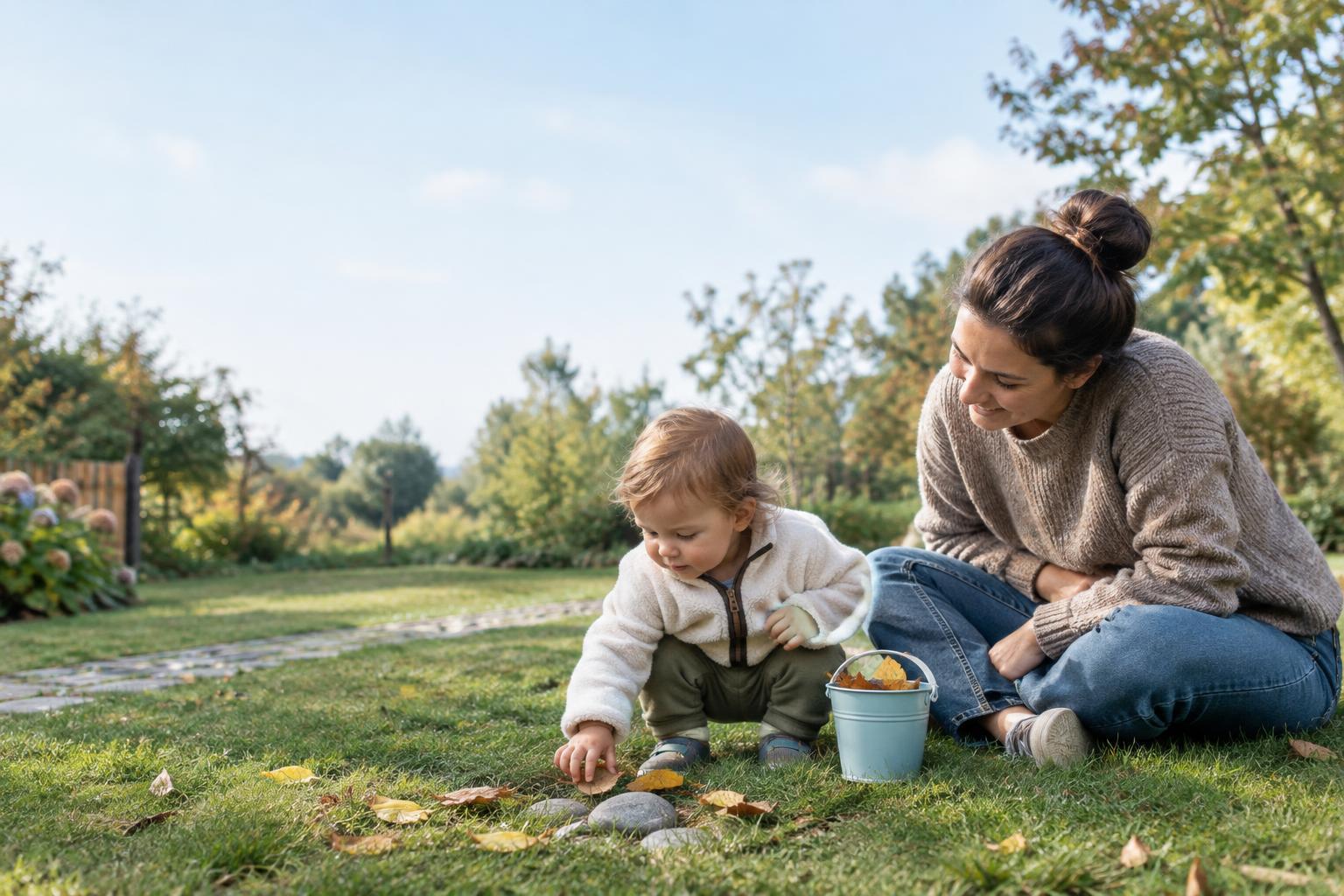
A nature observation game does not require a trail or a long outing. A yard, shared garden, park path or tree-lined sidewalk can offer plenty to notice. For preschoolers, a familiar place can be especially interesting because they may spot something different each time they visit: a new leaf, a puddle or a bird calling from a nearby roof.
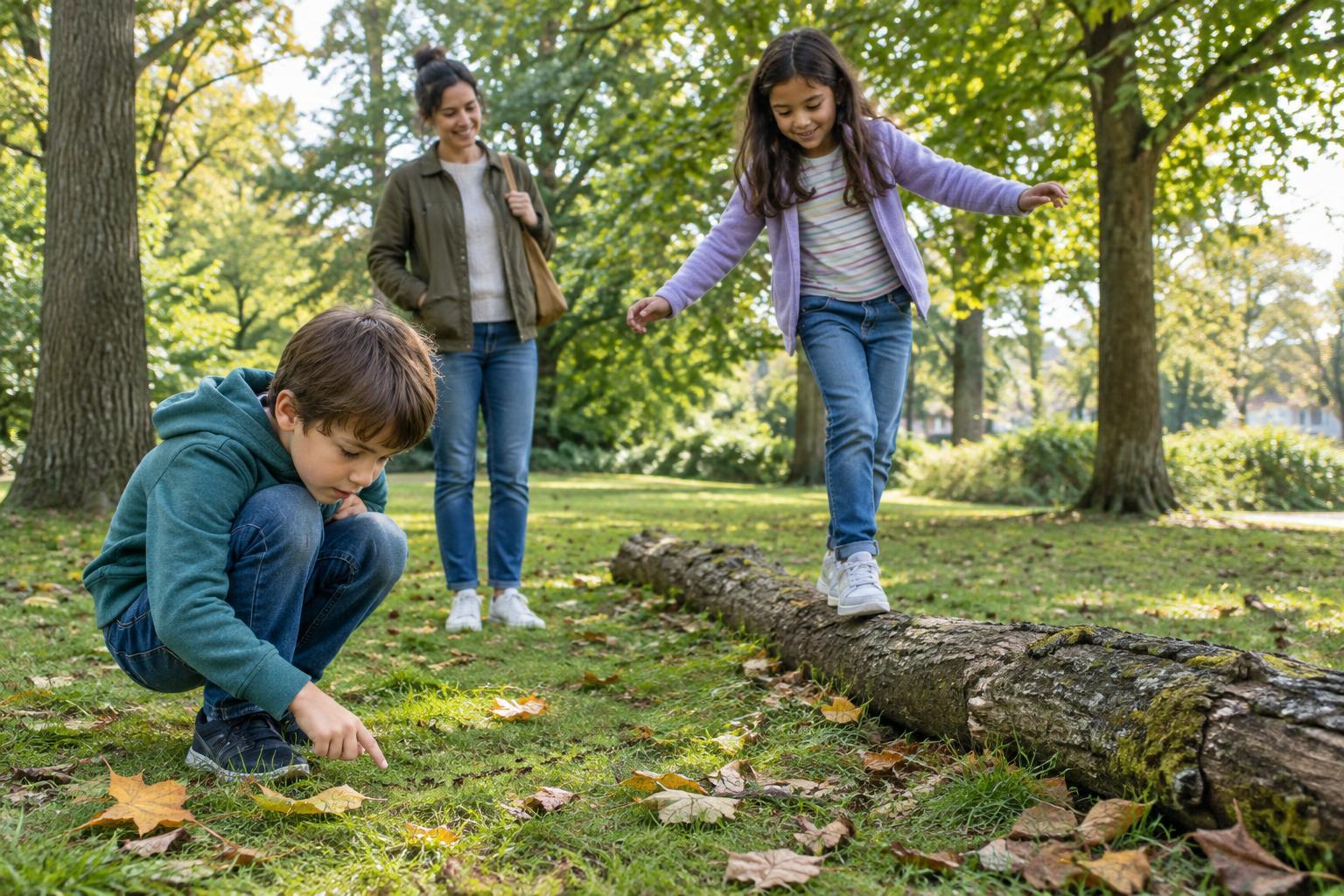
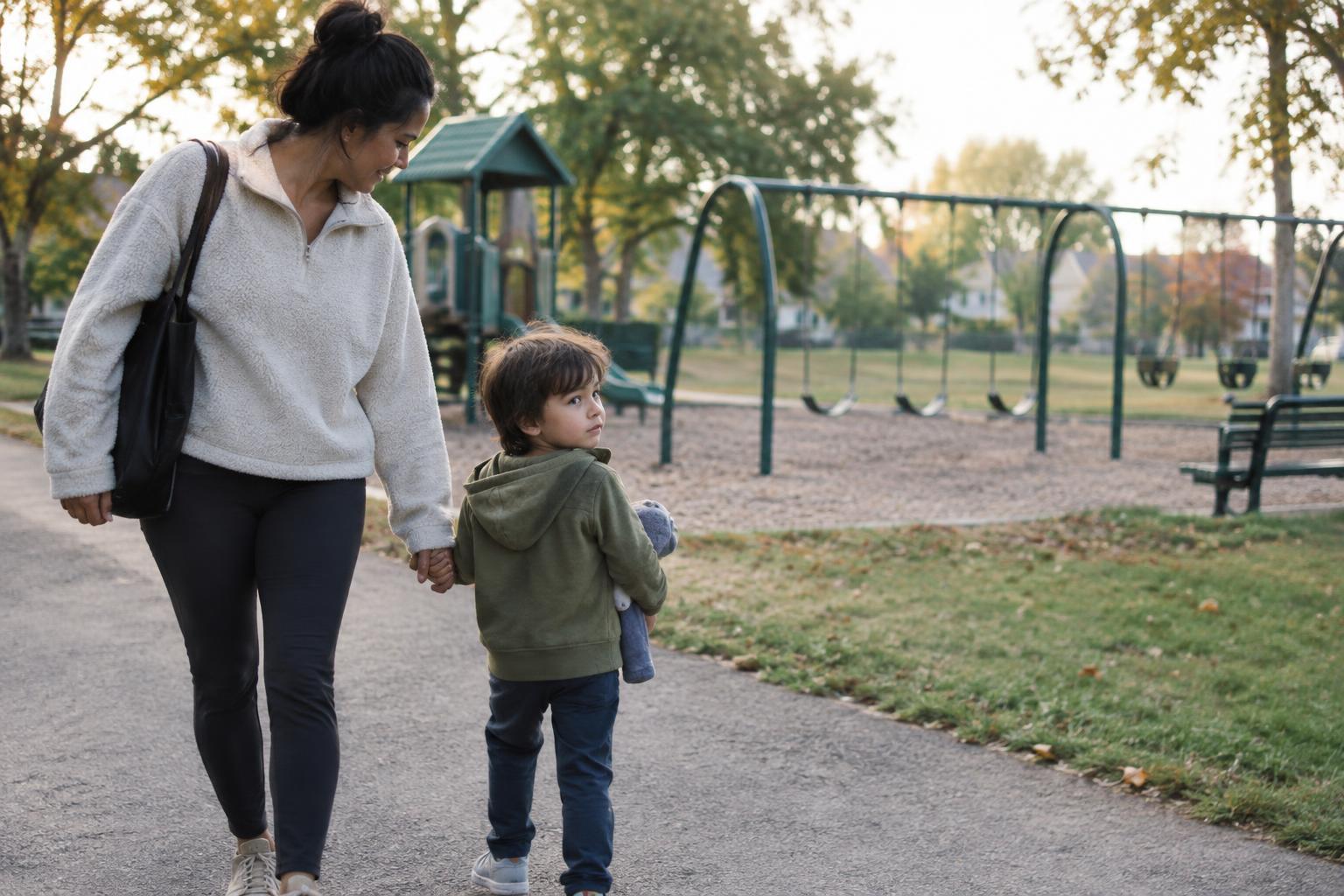
Choose a manageable area and follow the child’s pace. You might say, “Let’s see what we notice before we reach that tree.” There is no need to identify every plant or animal. Describing what you see together—“That leaf has wavy edges”—keeps the focus on curiosity rather than finding the right answer. Stay close to children near roads, water or unfamiliar plants, and agree on simple boundaries before you begin.
Play a color and shape hunt
Invite your child to find something green, something round or something with a zigzag edge. Once they find it, ask what they notice about it. A smooth stone and a bumpy seedpod might both be brown, but they give a child different details to describe. If your child chooses an unexpected answer, ask them to show you what they mean.
Keep the hunt flexible: look for one or two things rather than working through a long list. You can change the clues to suit the setting, such as “something taller than your shoe” or “a shape that reminds you of a star.” Pointing is enough; children do not need to pick up what they find. This lets everyone enjoy flowers, insects and leaves where they are.
Listen, then follow the sound
Sound can turn an ordinary stop into a game. Pause together for a few moments and ask, “What can you hear?” Your child might notice footsteps, wind moving through leaves, a dog barking or a bird. Take turns naming one sound at a time. If it is hard to hear, move to a quieter spot or try again another day.
Next, wonder where a sound is coming from. Is it close or far away? Does it repeat or happen just once? You do not have to find its source. The fun is in listening and talking about possibilities. For children who prefer to keep moving, try a short “listening walk”: take several steps, stop, listen and continue.
Make a tiny nature detective game
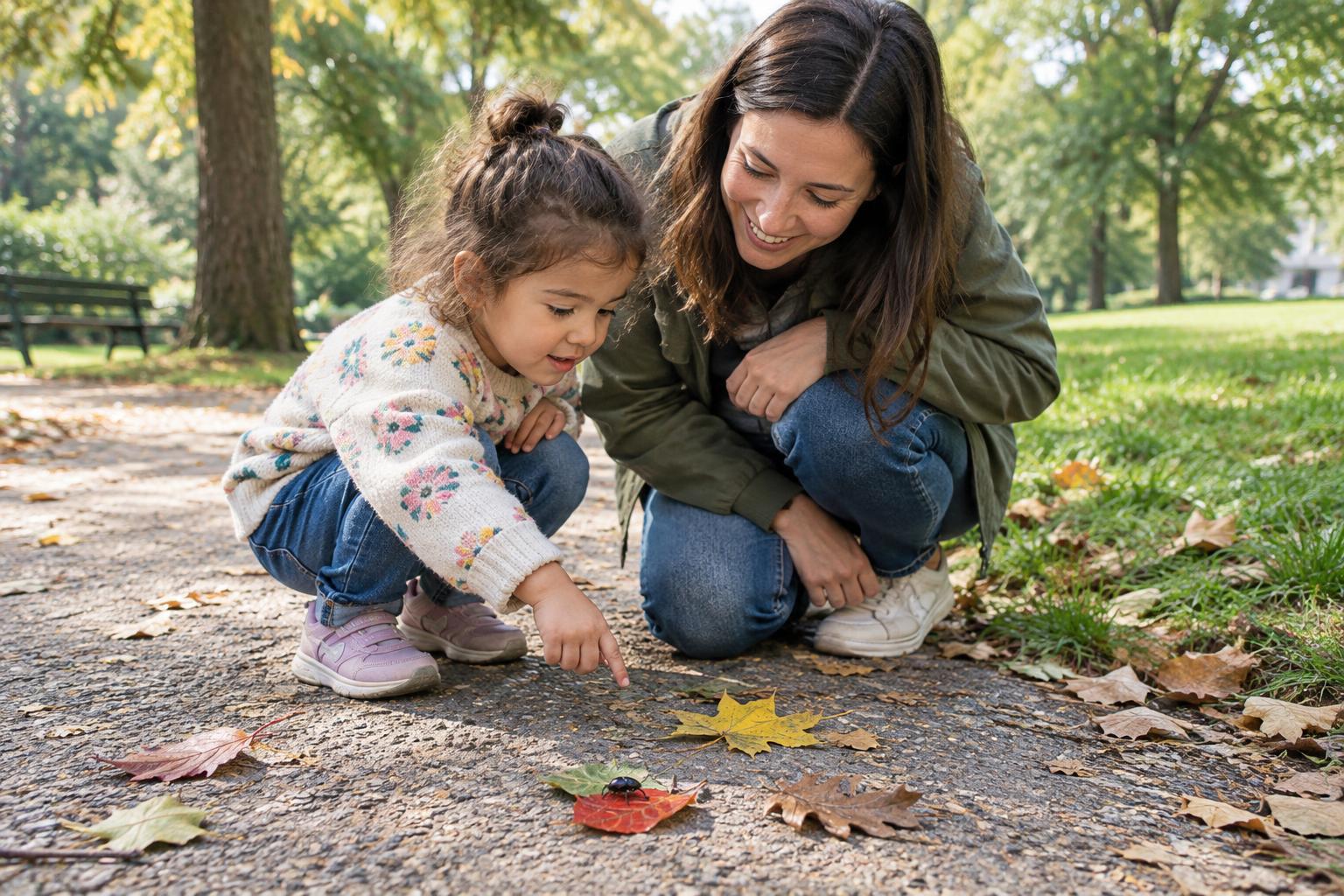
Choose one safe, ordinary object to study without disturbing it, such as a fallen leaf or a patch of moss beside the path. Pretend you are detectives gathering clues. Ask, “What colors do you see?” “Which part looks rough?” or “Is there another one nearby?” Give your child time to look before adding your own observations.
A simple comparison can extend the game. Find two leaves on the ground and notice how they are alike and different, or compare a dry patch of soil with a damp one. If your child wants to draw what they saw later, a quick sketch at home can help them revisit the experience. Leave living plants and animals undisturbed, and wash hands after outdoor play, especially before eating.
Return to the same spot and notice change
Revisiting one tree, planter or corner of a park gives the games a new dimension. Ask your child what looks the same and what has changed since your last visit. They might notice that the ground is wetter, a branch has fewer leaves or a shadow falls in a different place. Their answers may be imaginative as well as observational; you can welcome the story and gently ask what they can see right now.
End while the game still feels enjoyable. Some days a child may want to investigate for several minutes; other days they may be ready to run, rest or go home. A brief conversation afterward—“What was your favorite thing to notice?”—can make the outing feel complete. The aim is not to cover every game, but to make looking and listening together a comfortable part of outdoor time.