Start with a small, repeatable moment
An outdoor routine is easier to keep when it fits a day your family already has. Instead of beginning with a long outing, choose a moment when going outside might be convenient: after breakfast, before lunch, on the way home, or while waiting for dinner to cook. The first goal can be as simple as stepping onto a porch, walking around the block, or spending a little time in a shared courtyard.
Think of the routine as an invitation rather than a strict schedule. Some days a child may want to move and explore; on others, they may be content to watch leaves shift or listen to passing sounds. A short visit still counts. Repeating a manageable starting point helps everyone know what to expect without making outdoor time another demanding task.
Make leaving the house easier
Small delays can make a spontaneous outing feel complicated. Consider keeping commonly used items together near the door, such as weather-appropriate layers, shoes, a water bottle, and a bag for anything you bring along. Check the conditions before leaving and adjust clothing, shade, and the length of the outing accordingly. For very young children, pick a place where a caregiver can stay close and where the ground and surroundings suit their current way of moving.
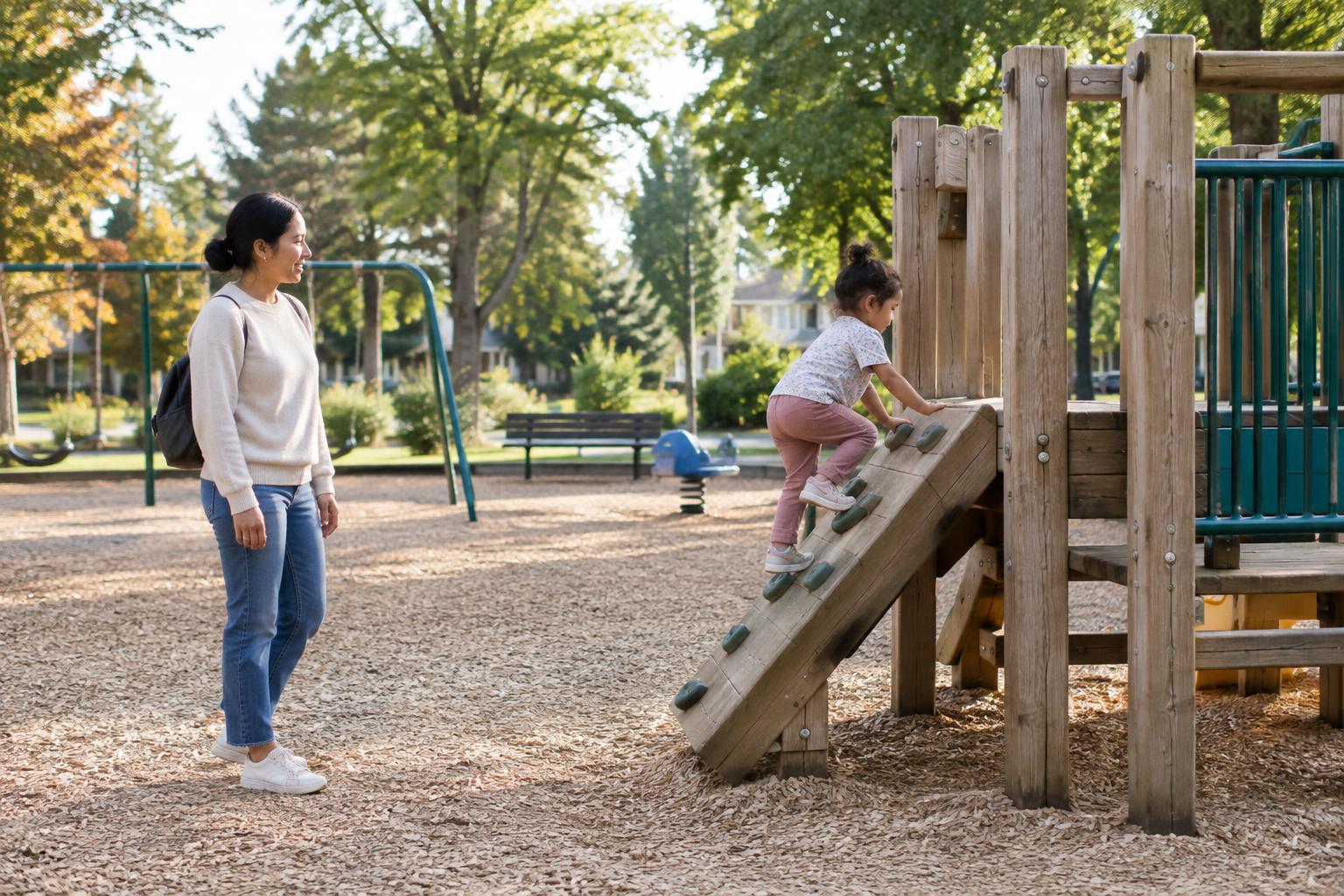
A familiar destination can help, especially when time is limited. It might be the same tree at the end of the street, a nearby patch of grass, or a playground with space to pause. You do not need a new activity every day. Children often notice different things in the same place, and familiarity can leave more room for relaxed play.
Follow your child’s stage and interests
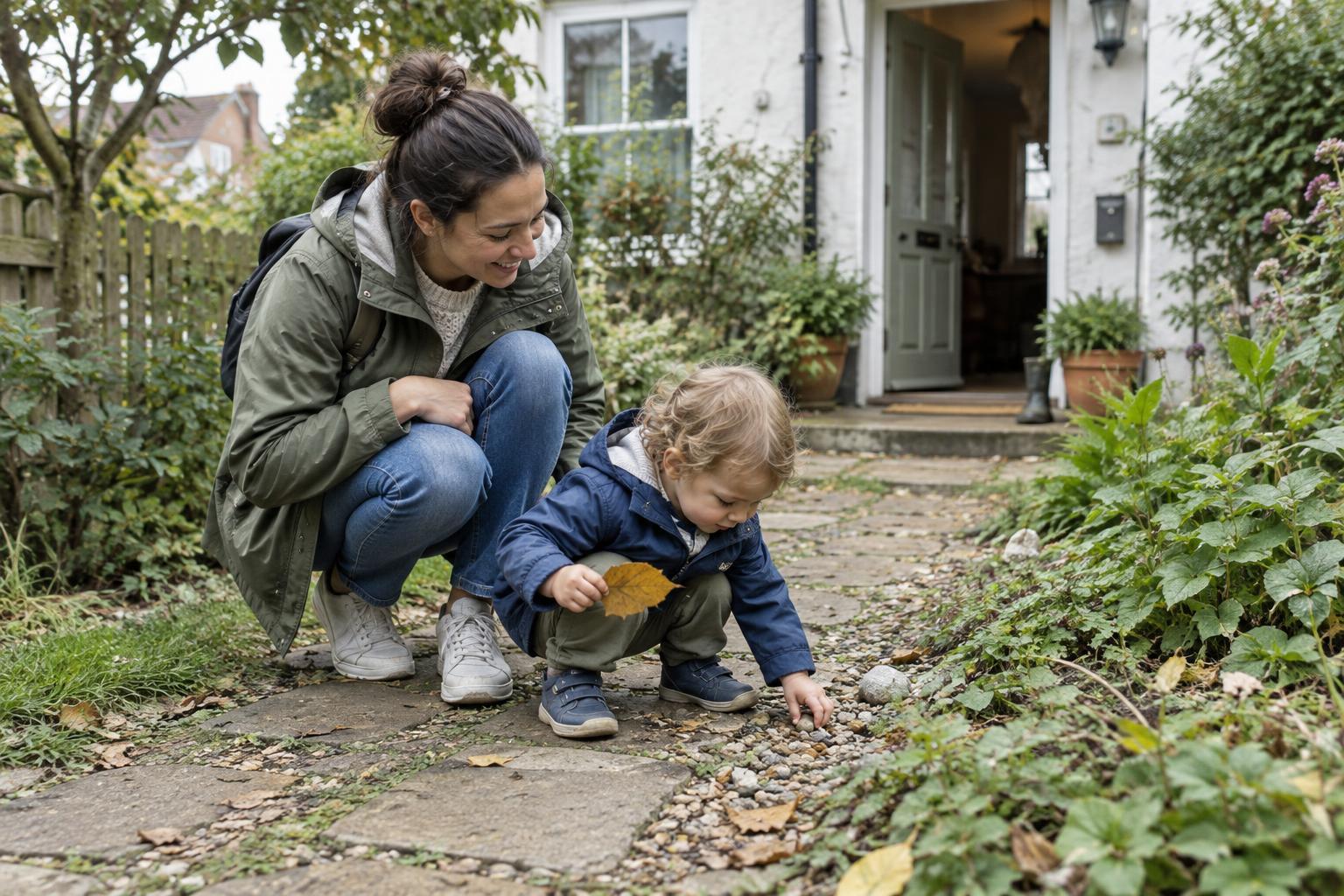
Babies can take in outdoor sights and sounds while being carried, sitting with support, or resting in a stroller. An adult might point out moving branches or pause to listen to a bird. Toddlers may be more interested in stopping than in reaching a destination. Walking beside them, naming what they notice, and allowing time for safe exploration can turn a short trip into a satisfying one.
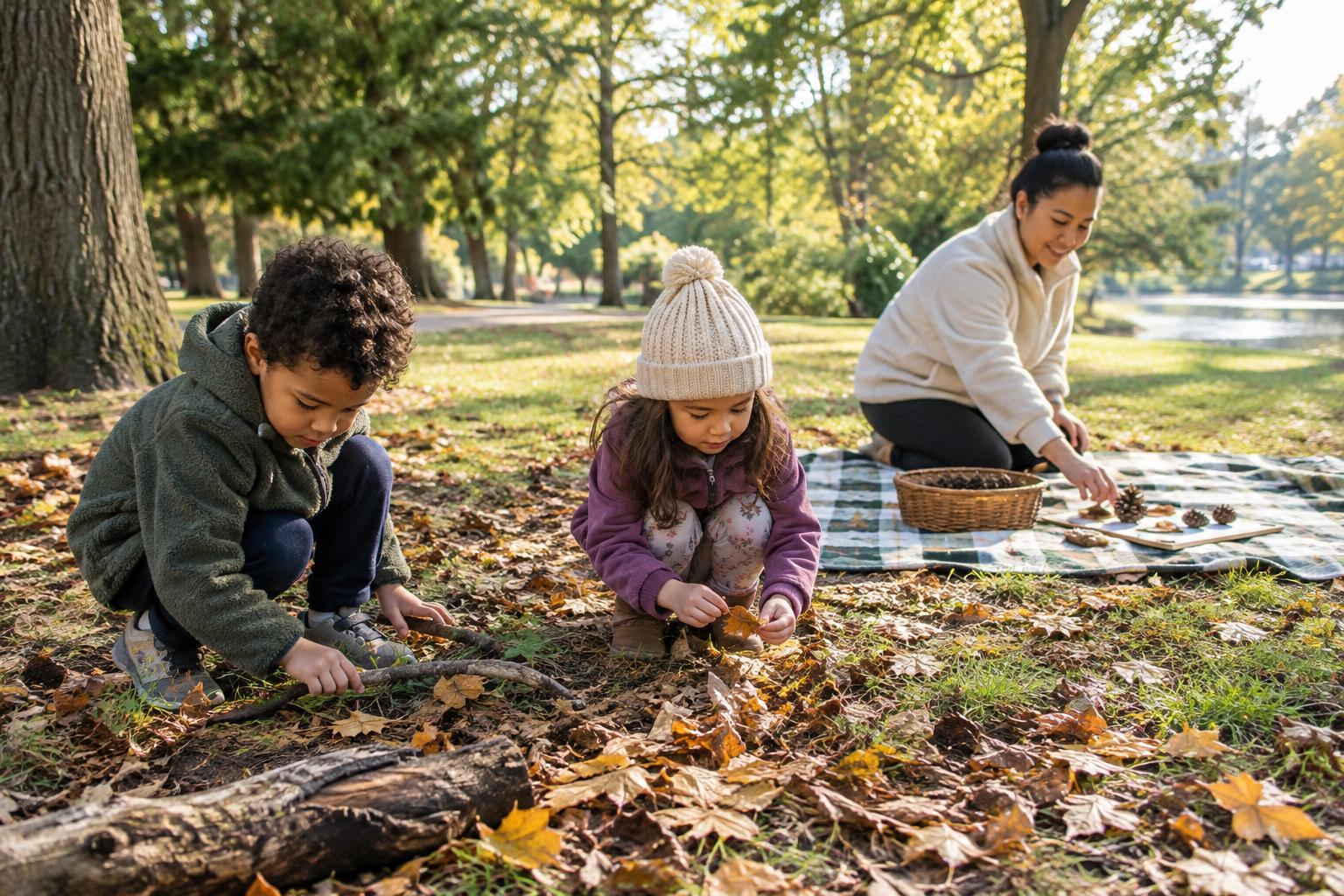
Older preschoolers may enjoy simple choices: “Should we look for smooth stones or different leaf shapes?” They might invent a game, help choose a route, or describe what has changed since the last visit. Keep activities open-ended and let the child’s curiosity lead when you can. Stay attentive to boundaries, nearby traffic, water, unfamiliar plants, and objects that are not safe to handle.
Leave room for different kinds of days
A flexible routine has more than one version. On an energetic day, your family might walk to a park or play a chasing game in an appropriate space. On a busy day, you could take a brief stroll or sit outside together. If the weather or your child’s mood makes the usual plan impractical, moving the outing, shortening it, or staying in is a reasonable choice. The routine should serve your family, not the other way around.
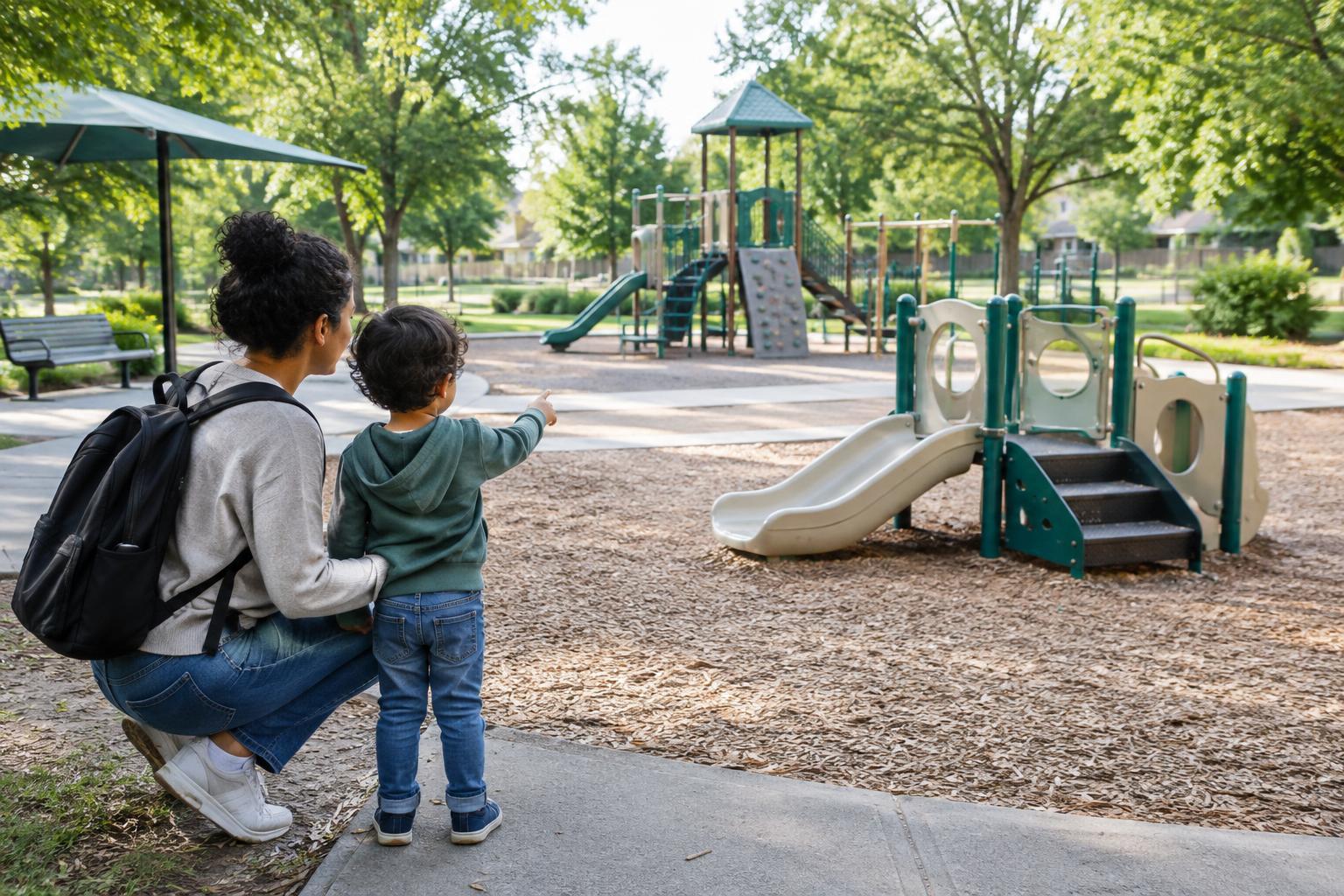
Transitions can also be hard for young children. A simple preview before you go—where you are headed and when you expect to return—may help. Before leaving the outdoor space, give a clear cue and offer one last small task, such as waving goodbye to a favorite tree. If the return is still difficult, that does not mean the outing failed; it offers a clue about what to plan for next time.
Notice what works and build from there
After a week or two, think about which outings felt easiest. Did your child enjoy watching more than running? Was a nearby spot less stressful than a destination that required packing? Did going out before a meal work better than going out afterward? These observations can guide small adjustments without turning the routine into a project to measure or perfect.
Outdoor time can be a shared pause in an ordinary day. There is no need to cover a certain distance, complete a learning activity, or stay out longer than your family comfortably can. A routine that allows for curiosity, changing plans, and the needs of everyone involved is one you are more likely to return to.