Start with what happens in the room
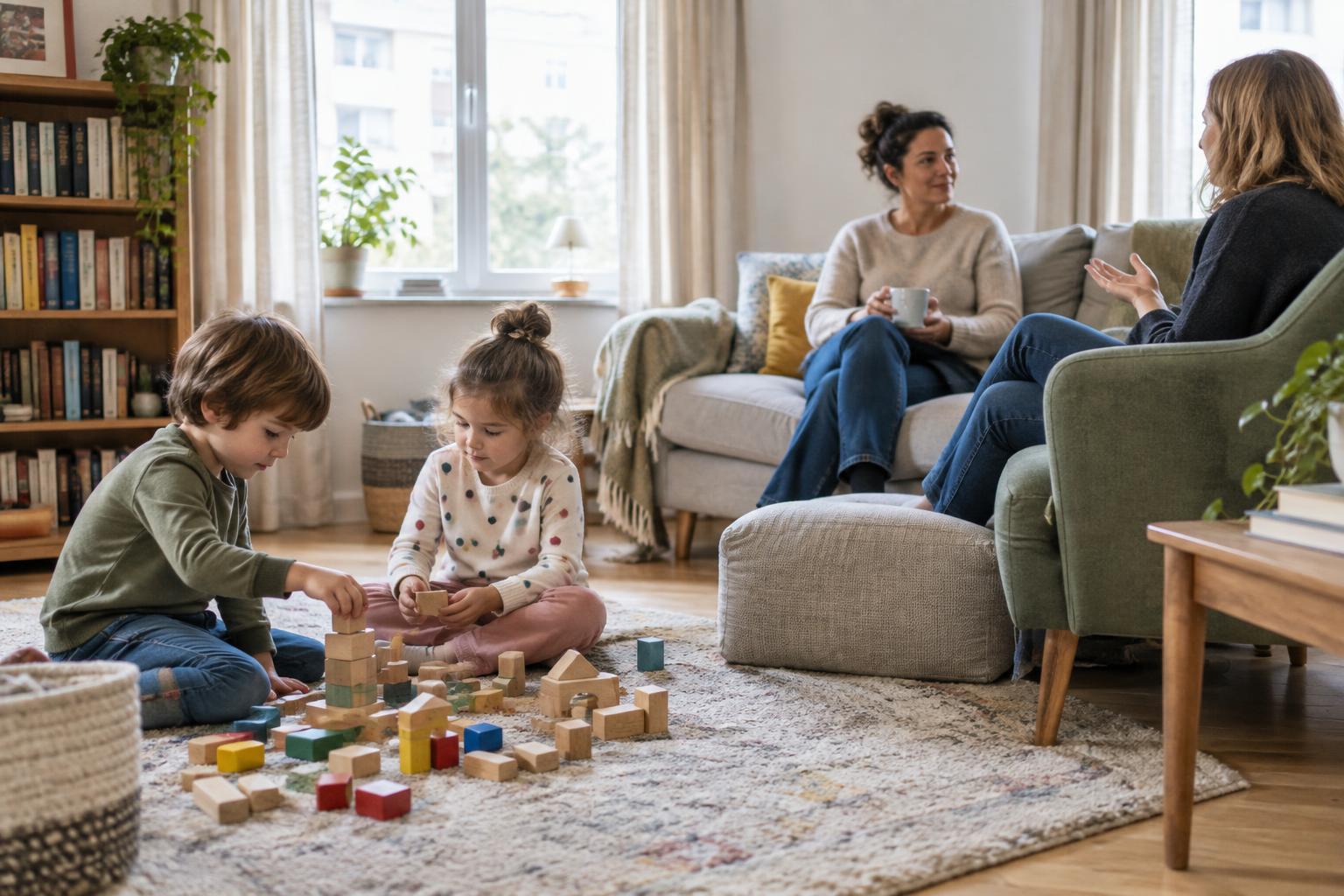
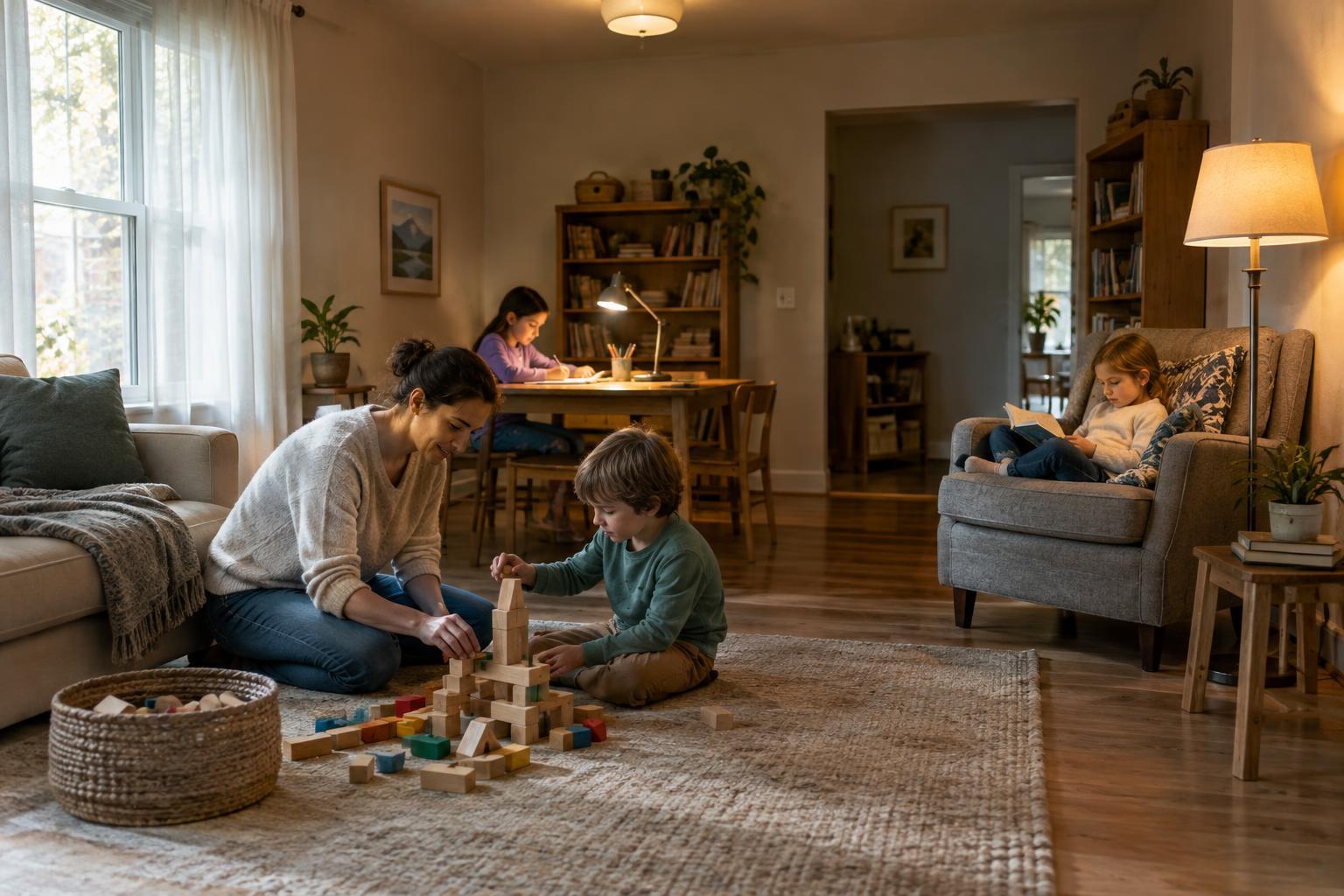
A family space rarely has just one job. The kitchen table might hold breakfast, a drawing session and a puzzle before dinner. A living room might shift from active play to reading or conversation. Before changing any lights, notice where people sit or move during a typical day. Look for spots that feel too dim for detailed work, areas where a lamp shines into someone’s eyes, and places that need a clear walking path after dark.
It can help to think in three layers: light for moving around the whole room, light aimed at a particular activity, and softer light for a relaxed atmosphere. These layers do not require a renovation. A ceiling fixture, a well-placed table lamp and daylight from a window may already provide enough flexibility if they can be used separately.
Give close-up activities their own light
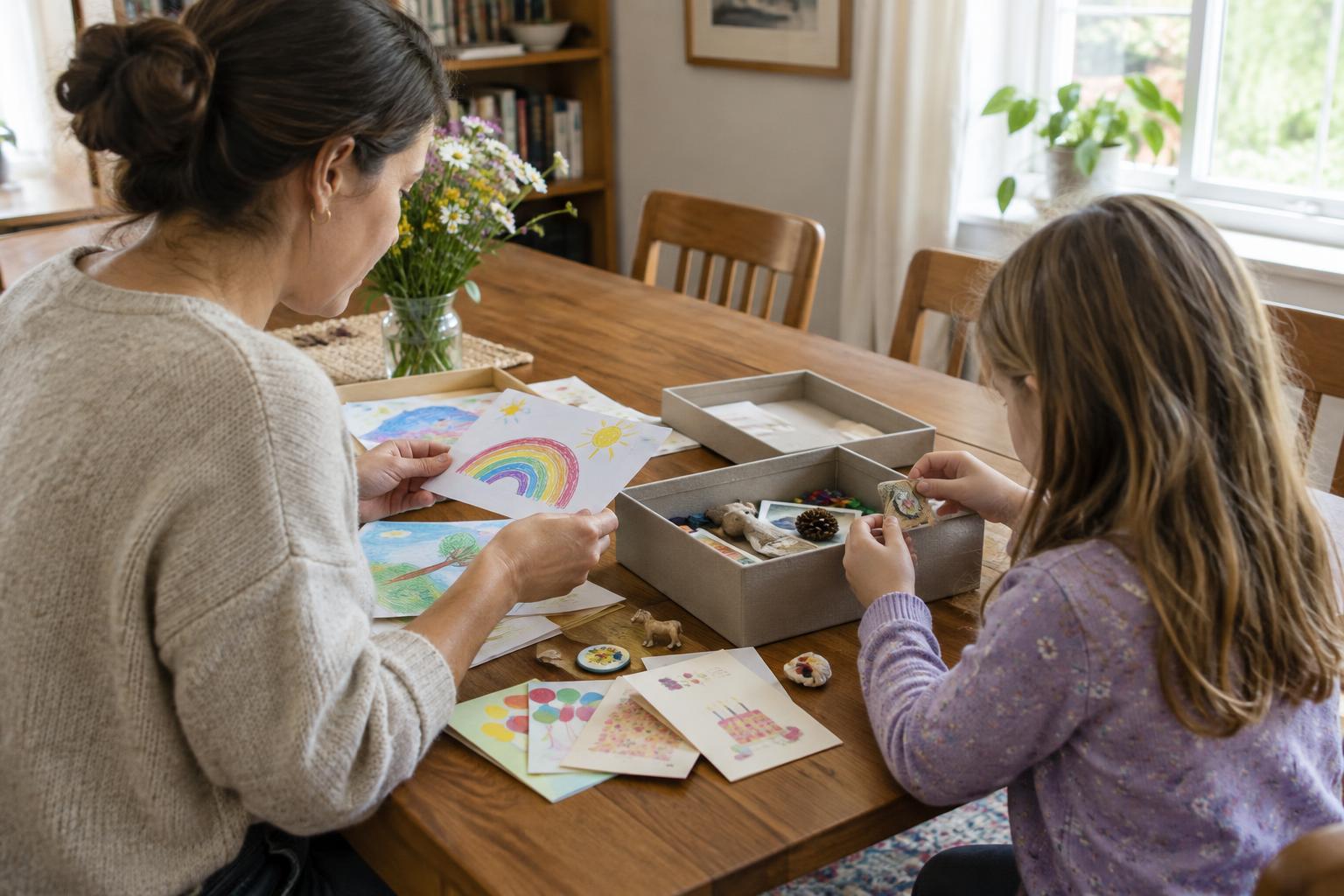
Drawing, reading, sorting small toys and doing homework are easier to settle into when the work surface is clearly lit. Rather than making the entire room brighter, try placing a task lamp near the activity. Aim it at the page or tabletop, not toward faces. If a hand casts a shadow across the work, move the lamp to the other side and try again. An adjustable lamp is useful when a table serves adults and children at different times.
For shared tables, consider how several people use the surface at once. One small lamp may illuminate a single seat while leaving the rest of the table in shadow. A broader overhead light can help with group projects, while a movable lamp adds extra light for someone working on a detailed task. Keep lamps, cords and hot bulbs out of the way of play, spills and little hands, following the fixture’s instructions.
Use daylight without letting glare take over
Windows can make a room inviting during the day, but the brightest position is not always the most comfortable one. A table directly in front of a window may put the view in someone’s eyes, while a screen opposite the window may reflect light. Try turning a desk or activity table so daylight comes from the side. Curtains or blinds can soften strong sun while keeping the room usable.
Daylight also changes as the day goes on. A reading corner that works well in the morning may need a lamp by late afternoon. Check the room at the times your family actually uses it, rather than judging it only once. This simple observation can prevent a common frustration: setting up an appealing activity area that becomes difficult to use whenever the light shifts.
Make transitions easy to manage
The same brightness is not needed for every part of the day. Clear, even light can support clean-up, meal preparation and finding a missing game piece. Later, switching off a bright overhead fixture and using a smaller lamp can signal a change of pace for conversation or a story. Lighting will not create a routine on its own, but an easy-to-repeat change can become a familiar part of one.
Put switches and lamps where adults can reach them without moving furniture or interrupting the activity. If a child helps choose between approved lighting options, keep the choice simple: for example, the table light for a project or the corner lamp for reading. In a room used by several people at once, leave enough general light for anyone still walking through or working elsewhere.
Adjust the setup as family needs change
A good lighting arrangement is one the family can live with, not a perfect plan fixed in place. A floor play area may later become a building table; a quiet corner may turn into a homework spot. Recheck whether the light reaches the activity and whether a lamp or cord has ended up in a busy route. Small changes, such as shifting a chair or moving a lamp to another outlet, may solve the problem.
You can also ask family members what they notice. Someone may find a light too bright from their usual seat, while another person needs more light to see a book comfortably. Use those observations to make one change at a time, then see how it works during ordinary routines. The goal is not to fill every corner with light, but to make each shared space adaptable, comfortable and straightforward to use.