Play is more than an activity with a goal
A child stacking cups, pretending to run a café or inventing rules for a backyard game may look like they are simply having fun. They are also trying out ideas: What happens if I change this? How can I make someone understand me? What should we do when the plan does not work? Learning through play often looks like exploration, repetition, conversation and adjustment rather than a finished project.
The most useful play does not have to be elaborate or entirely child-led. Adults can offer materials, join an imaginary scene or suggest a challenge. The key is to leave room for the child’s choices. Ages can help you choose a starting point, but interests, energy and comfort with a particular activity matter just as much.
Toddlerhood: discovering what things can do
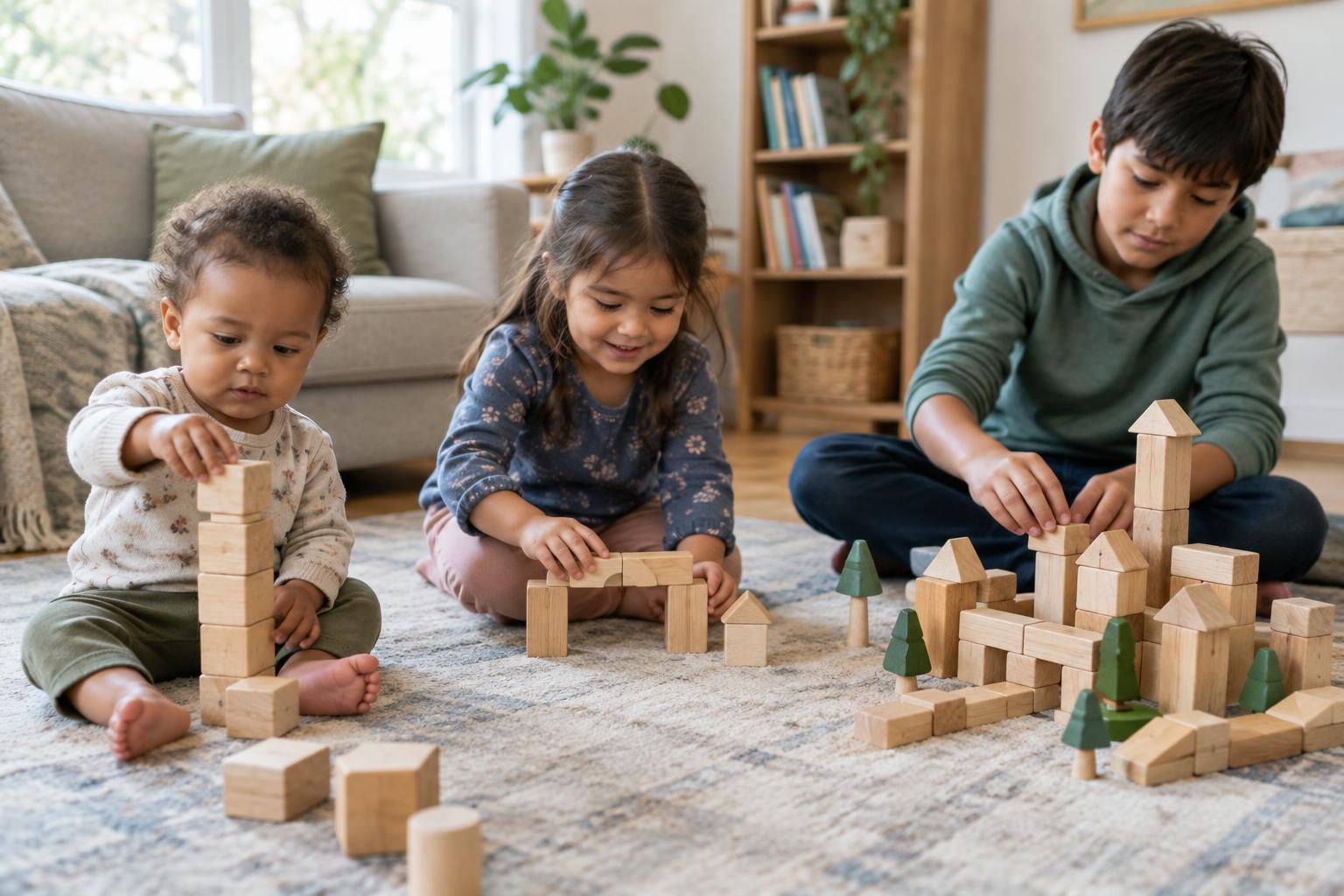
Toddlers often learn by moving, handling objects and doing the same thing many times. Putting blocks into a container and dumping them out may be fascinating because the result is predictable and repeatable. A short walk can become play when a child spots puddles, collects leaves or listens for different sounds. Ordinary objects such as cardboard boxes, large cups and scarves can offer plenty to investigate when they are suitable for the child and used with appropriate supervision.
Try following what catches your toddler’s attention before adding a question or idea. You might describe what you notice: “That cup fits inside the big one.” Then pause. If they want to stack the cups instead, let the game change. Simple words for actions, textures and feelings can enrich the moment without requiring the child to answer or perform. Keeping small items and other hazards out of reach is part of making space for this kind of hands-on play.
Preschool years: stories, roles and experiments
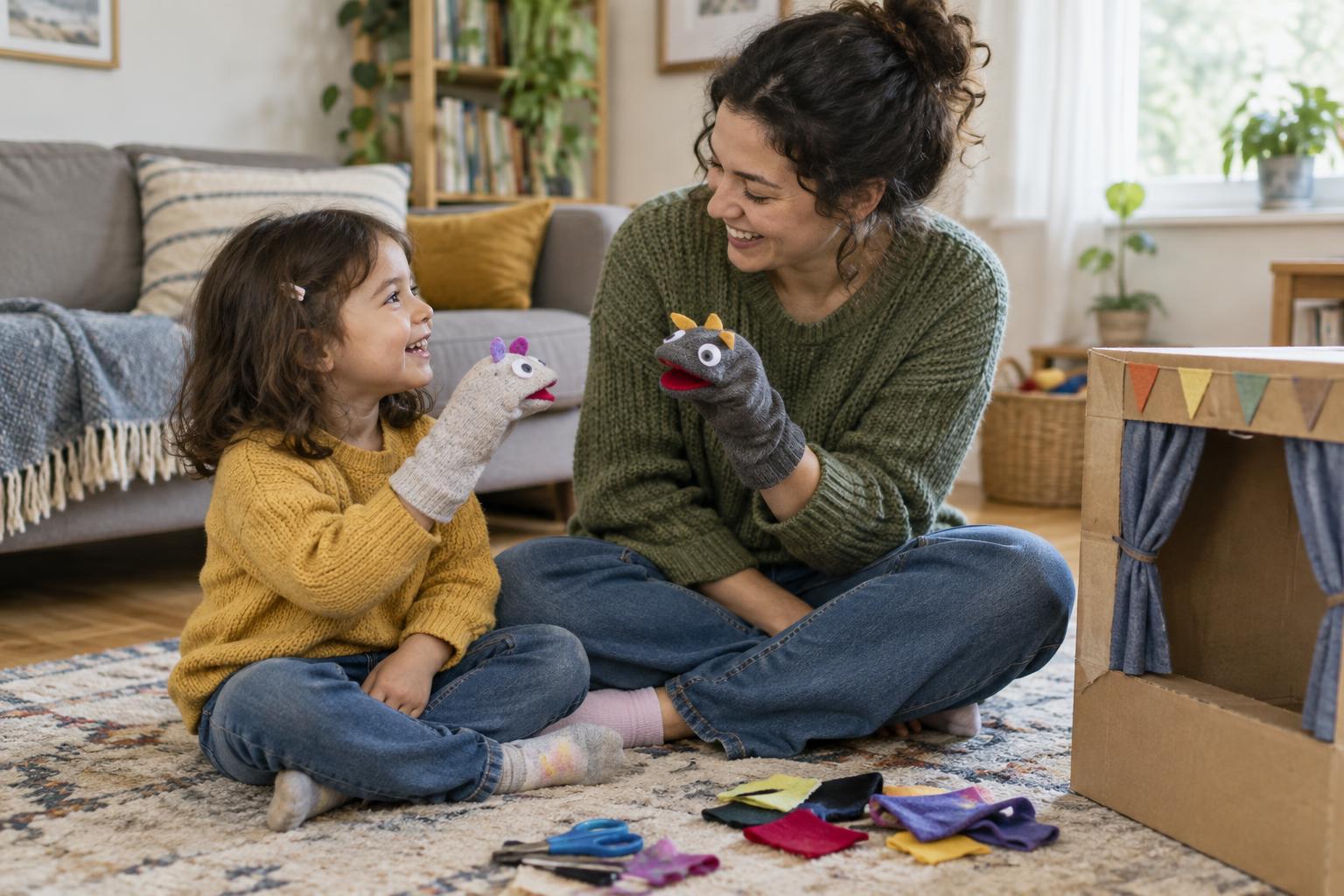
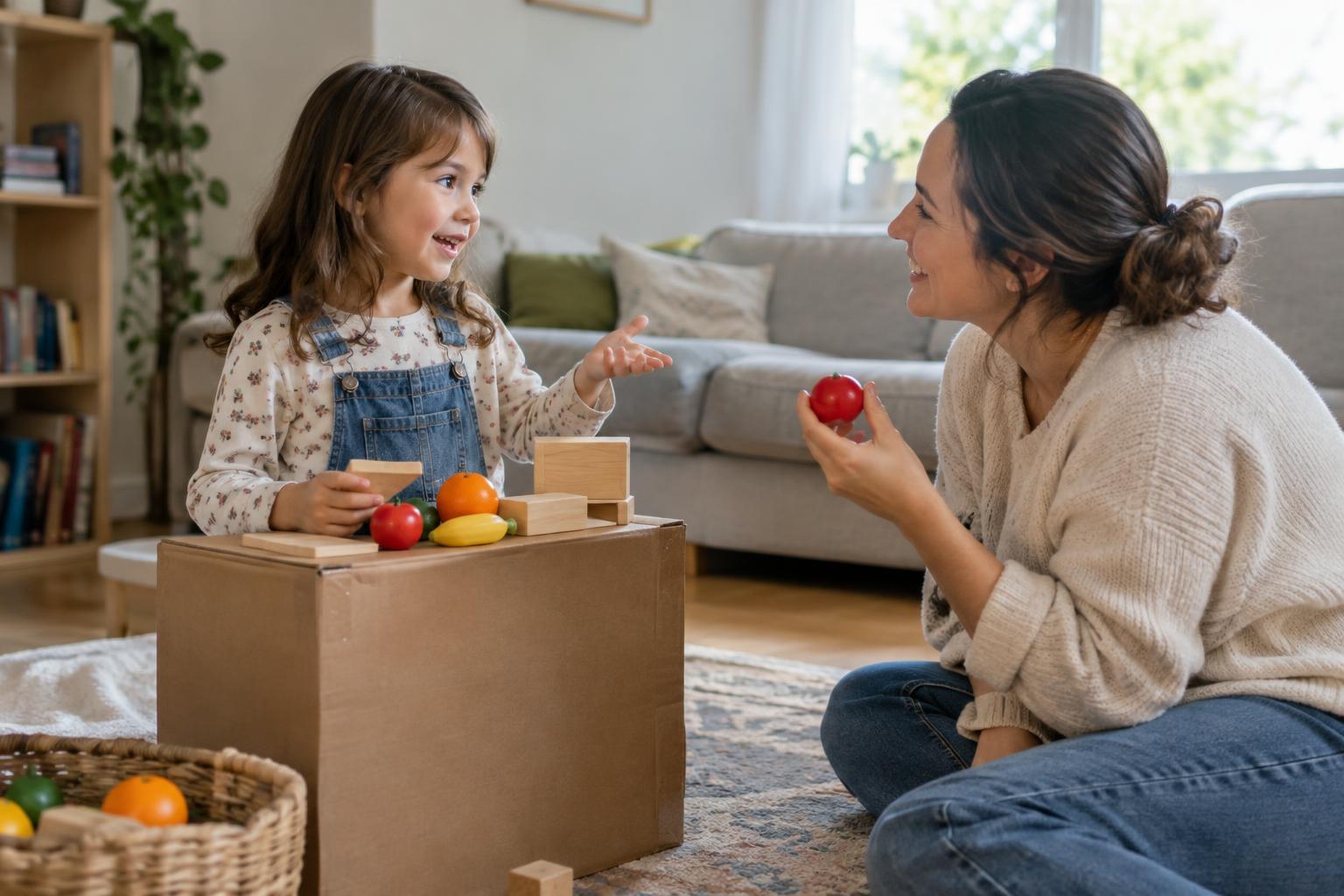
As children become interested in pretend scenarios, a blanket may become a tent and a row of chairs may become a bus. These games give children ways to work with familiar experiences and try out different roles. Playing shop, for example, can involve sorting objects, making signs, negotiating who does what and changing the story when a customer asks for something unexpected.
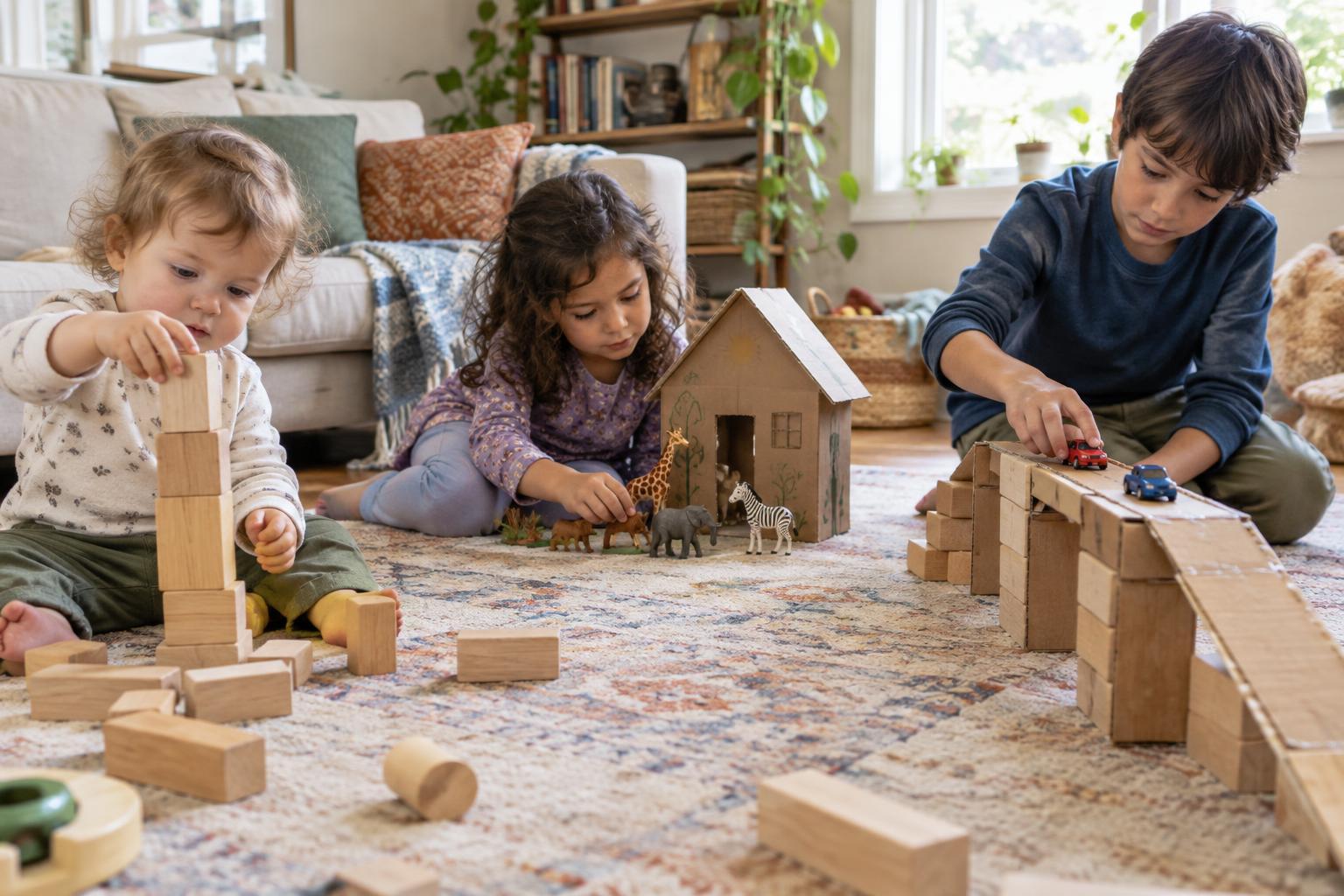
Open-ended materials help because there is no single correct result. Paper, crayons, blocks, dress-up pieces and safe household items can be used in many ways. If a child builds a bridge that falls down, resist the urge to fix it immediately. Asking “What could hold this side up?” invites another attempt, while “Do you want help?” respects their choice. Some children prefer quiet solo play or brief turns with a companion; a shared game need not look the same for everyone.
Early school years: rules, projects and new questions
School-age children may enjoy games with agreed rules, longer constructions and projects that continue across several days. A homemade obstacle course can bring together planning, movement and problem-solving. A board game can create chances to explain a rule, notice a pattern and handle an unexpected outcome. Drawing a map of an imaginary place can lead to stories about where people go and why.
Play remains valuable even when children are learning more formal skills at school. You do not need to disguise homework as a game or measure every activity by what it teaches. Instead, notice the interests a child brings home. Someone fascinated by vehicles might design a paper city; someone who likes stories might create characters with a friend. An adult can supply space, materials or a willing audience without taking charge of the whole project.
Making room for play as children grow
Older school-age children may still pretend, build and experiment, even if their play looks different from a younger child’s. They might invent a complicated outdoor game, make a comic, cook with a family member or work out how to build something from spare materials. Friends can become important collaborators, and disagreements about rules or ideas may be part of the experience. Adults can help children talk through a disagreement while leaving them room to find a workable solution.
A welcoming play routine can be modest: a little unhurried time, a place to keep a project in progress, and permission to use familiar materials in new ways. Some days a child will want company; other days they will want to explore alone. By watching, listening and offering help when it is welcome, you can support learning through play without asking every playful moment to become a lesson.