Start with the person, not an imagined new wardrobe
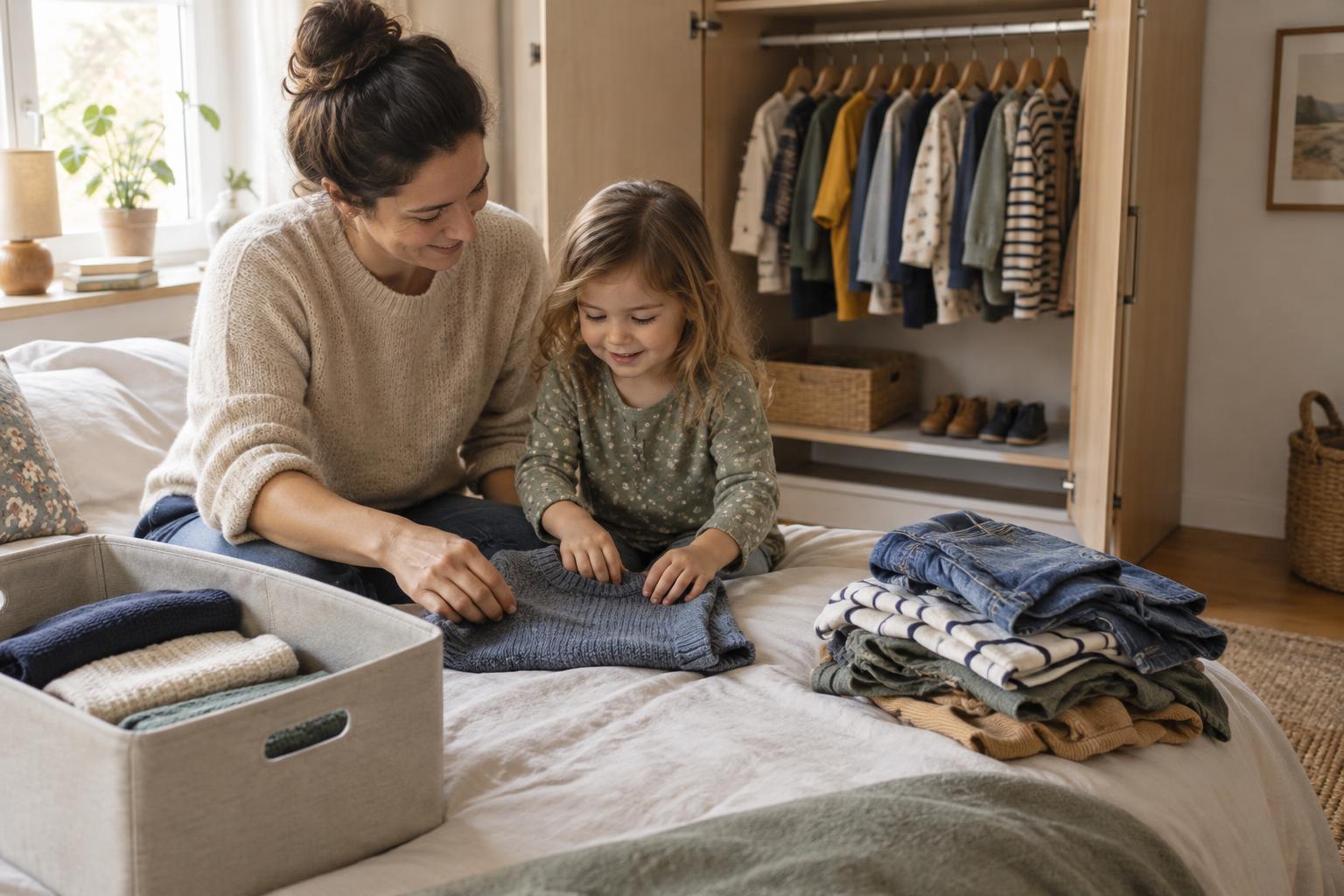
UniqueYou’s appeal is easiest to understand by looking at the clothes someone already reaches for. A scarf might sit beside a much-worn coat, soften a plain shirt or bring a familiar dress into a different setting. Before choosing a colour or pattern, notice the wearer’s everyday neckline, preferred outerwear and tolerance for extra layers. Someone who rarely carries a bag may appreciate a smaller piece that is easy to fold away; someone who likes generous layers may prefer a shawl or wrap. Neither preference is more elegant. The better choice is the one that feels at home with the person’s habits.
The brand began in 2014 with scarves and clothing, later paused, and returned after its domain was recovered. That story does not imply uninterrupted trading. Its original brown wordmark, horse motif and “Since 2014” detail offer a recognisable identity, while a neutral taupe palette suits its restrained approach to accessories. The useful question for a shopper is less about building a look around a brand and more about whether a particular scarf earns a place beside pieces already loved. That keeps the decision personal, practical and open to individual taste.
Choose a shape that suits the day
A long scarf offers room to drape, loop or tuck ends into a coat. A square scarf changes character depending on its fold: narrow at the neck, loose over the shoulders, or tied to a bag when it is not being worn. A shawl or wrap can cover more of an outfit and may suit an occasion where an extra layer feels welcome. These are styling possibilities, not rigid rules. Dimensions matter more than the category name alone, so compare the listed measurements with a scarf the wearer already enjoys before deciding how a new one might sit.
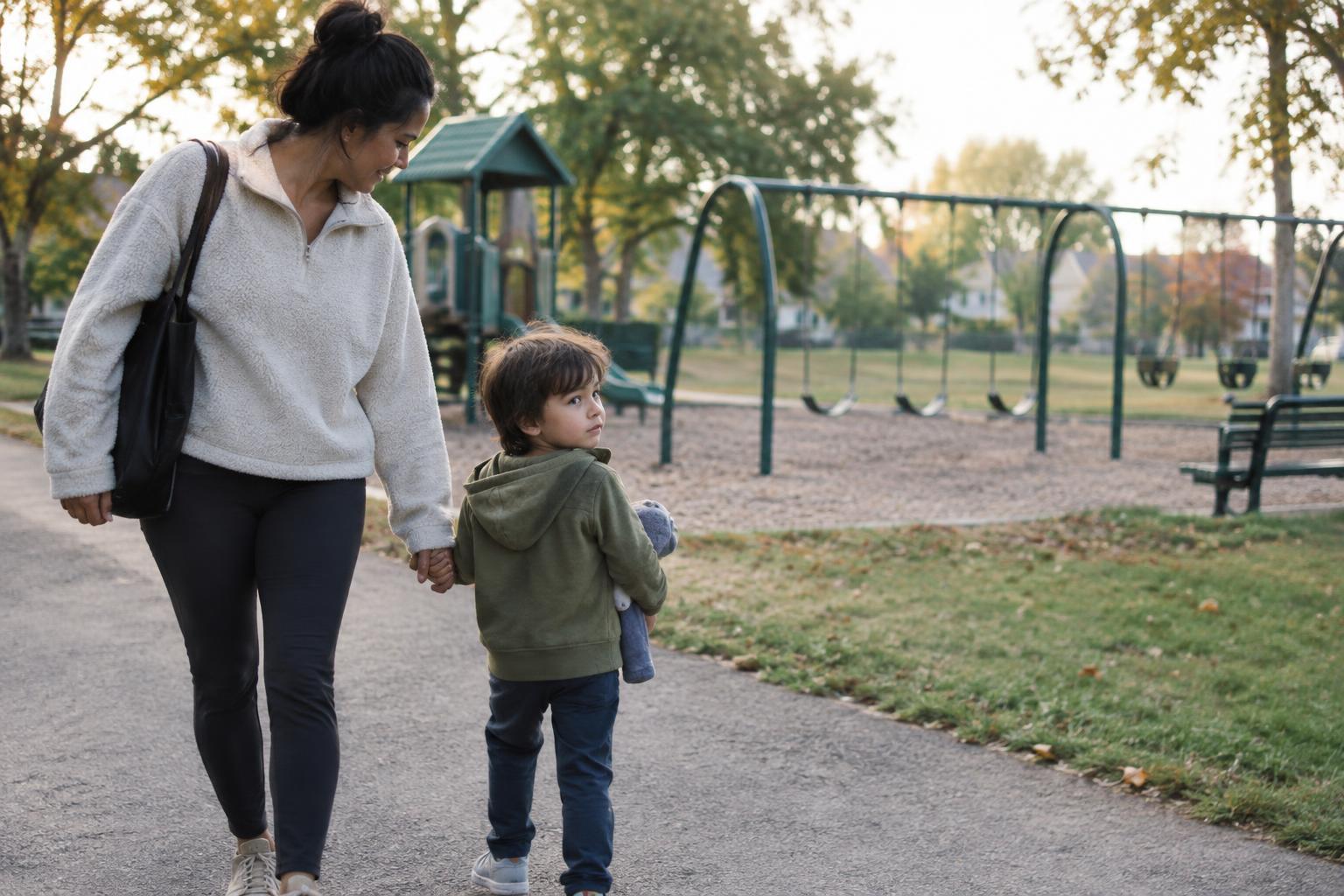
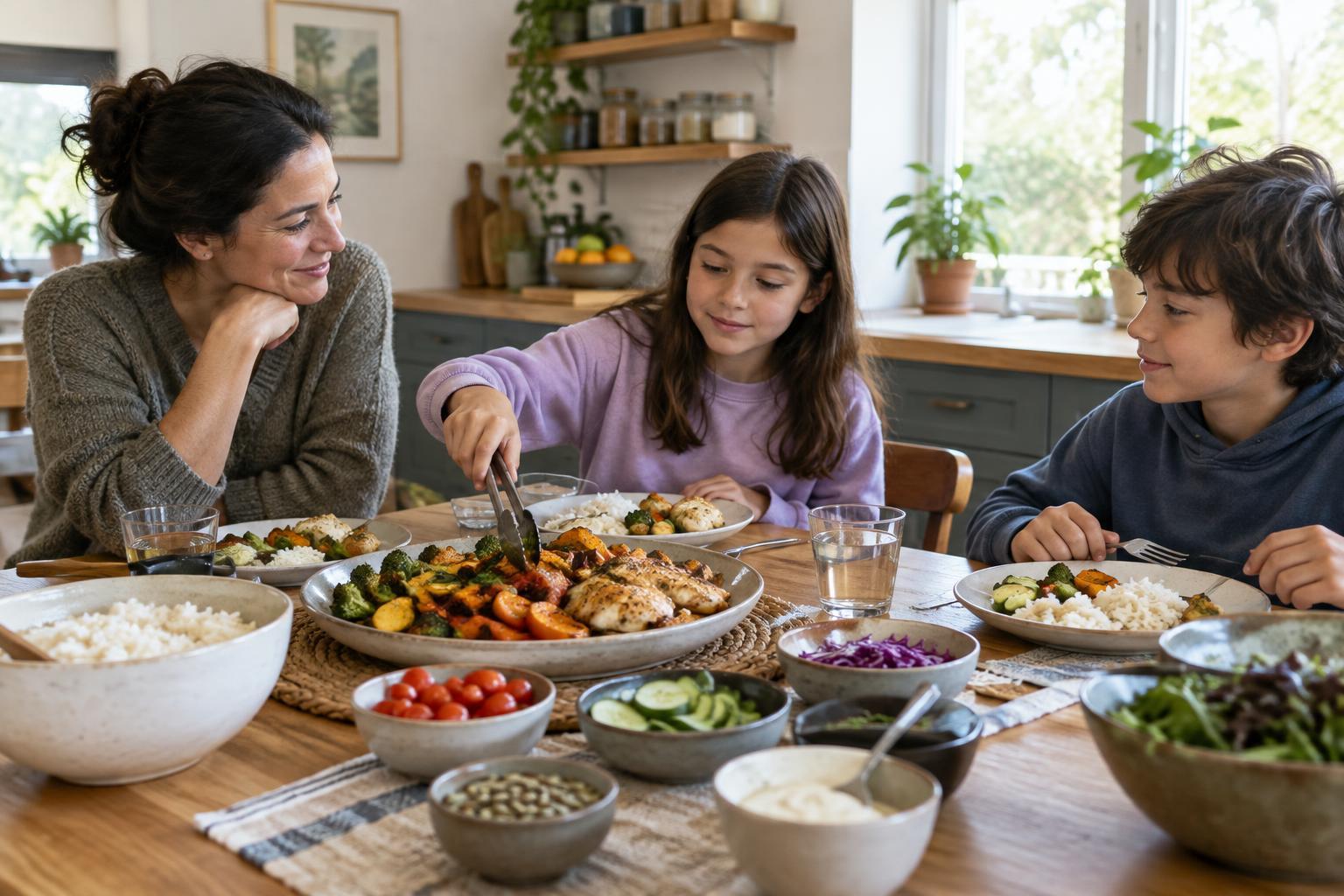
Think through ordinary transitions rather than only the moment a photograph is taken. A parent moving between an outdoor walk, a café and a busy home might want a scarf that can be adjusted without much fuss. For a dinner or family gathering, a broader wrap may feel right with a simple dress. A compact square might be easier to keep nearby when layers are coming on and off. When choosing for someone else, picture the way they actually dress on a weekday as well as on special occasions; the most versatile gift is often one that works in both.
Let material descriptions inform the choice
UniqueYou includes silk, cashmere and wool categories, but a category name is not a substitute for the composition of an individual product. Read each item’s material information, dimensions and care directions rather than assuming that every scarf has the same fibre content or feel. A scarf described within a silk category may suggest one kind of drape; a wool or cashmere category may prompt a different question about weight and texture. The product details are where to check what a specific piece is made from and how it should be looked after.
Material also matters in relation to the wearer’s existing clothes. Consider whether a scarf needs to slide comfortably over a collared shirt, sit against a knitted jumper or add a layer to an evening outfit. Compare its likely texture with fabrics already worn near the face and neck. For a gift, asking a discreet question about favourite scarves can reveal more than guessing from a material name alone. If the recipient has clear care preferences, take those seriously too: an accessory is more likely to be worn when its upkeep fits into the household’s ordinary routine.
Make colour do a useful job
A wardrobe can provide its own colour guide. Lay out, or simply picture, the coats and tops worn most often. A scarf close to one of those colours can create a quiet, continuous look; a contrasting colour can give a plain outfit a focal point. Beige and brown tones may sit easily with other neutrals, while red can bring noticeable warmth to darker clothing. Stripes or checks can add movement without requiring a patterned coat. None of these combinations is a formula: the wearer’s favourite colours and comfort with contrast should lead.
When considering a patterned scarf, look at how much of the print will remain visible once it is folded. A bold design spread across a large square may become a series of small accents at the neck. A long scarf might show different parts of a pattern as its ends hang over a coat. If the recipient mostly wears prints already, a quieter accessory may be easier to combine; if their clothes are largely plain, a pattern might be especially welcome. Matching an existing wardrobe means noticing its rhythm, not trying to make every colour identical.
Style a scarf without adding another task
The simplest styling ideas are often the ones that survive a busy morning. Drape a long scarf once around the neck and let the ends hang, or tuck them inside a coat when a tidier outline feels better. Fold a square diagonally for a broader triangle, or roll it into a narrower band. A shawl can rest over both shoulders or one, depending on the outfit and how much freedom of movement is needed. There is no need to master elaborate knots before a scarf becomes useful; a few comfortable arrangements are enough.
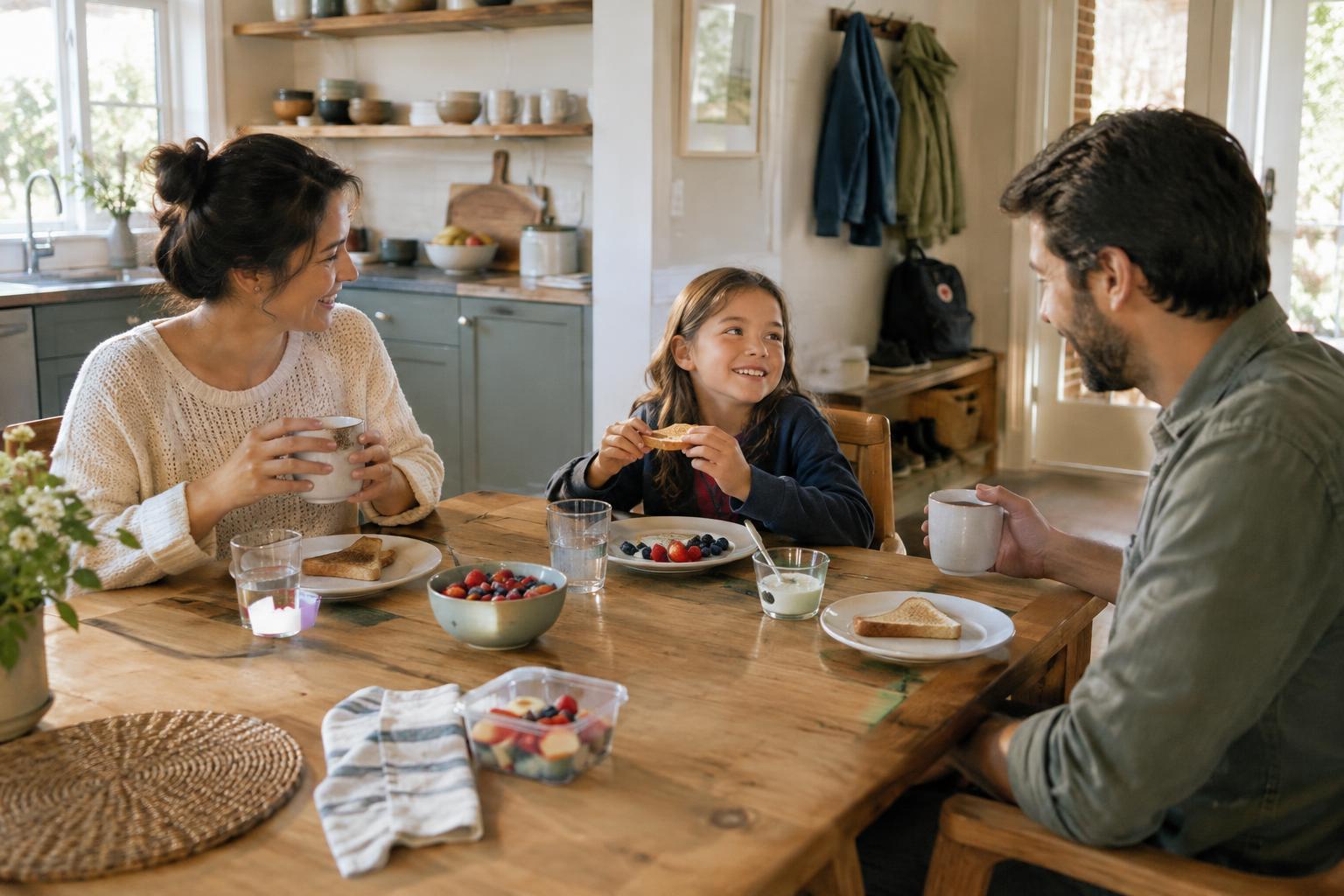
Comfort and practicality belong in the same conversation as appearance. Check that a scarf does not trail into food preparation, slip during active play or get in the way while carrying bags. At home, it can be set aside just as a coat can; outdoors, its placement can change with the activity. These small adjustments are not a failure of styling. They acknowledge that a family day includes meals, movement and interruptions. An accessory chosen with those realities in mind can still feel considered rather than merely functional.
Pick gifts from clues you already have
A scarf can make a thoughtful gift because it does not require choosing a fitted garment, but it still deserves careful attention. Look for clues in the recipient’s own accessories: do they repeat a particular colour, favour plain fabrics or enjoy prints, and choose compact scarves or generous wraps? A favourite coat can be a useful reference, especially if it is worn for much of the year. If you are unsure, a colour that connects with several existing pieces is often a more grounded choice than one selected only because it looks striking on its own.
Occasion matters, but it need not determine the whole gift. A shawl chosen for a celebration can also be considered for simpler outfits; a scarf intended for everyday use can still look special when paired with a favourite dress. Check the product’s measurements and care information before giving it, particularly if the wearer travels often or prefers low-maintenance clothing. A brief note explaining the personal detail you noticed—a colour they wear, a coat they love, an event you share—can make the choice feel attentive without making grand claims about the item.
Consider routines across seasons and settings
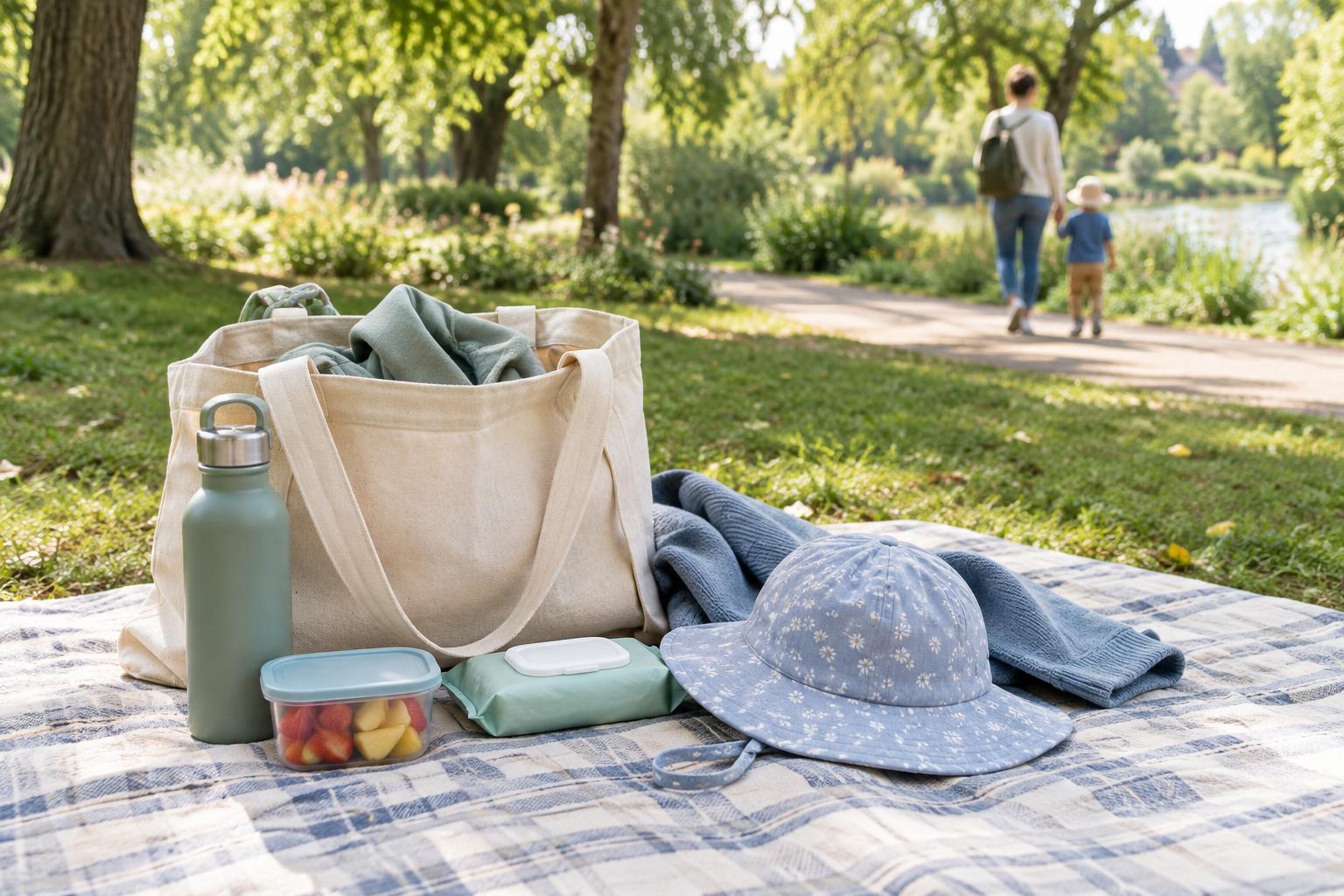
People do not use scarves in a single setting. A piece might accompany a walk to the park, a journey to work, a family meal or an evening out. Rather than sorting every scarf into a strict seasonal box, consider its size, texture and how it fits with the layers worn at different times of year. A large wrap may feel especially welcome when an outfit needs an extra layer; a smaller square can bring colour to a lighter look. Local weather and the wearer’s preferences will shape those choices more reliably than a universal style rule.
Family routines offer a helpful test. If mornings involve quick changes between indoors and outdoors, a scarf that is easy to arrange may be more appealing than one that needs careful readjustment. For an outing with children, secure ends and an unobtrusive fold can make movement simpler. For a quieter gathering, there may be more room to enjoy a wide drape or a noticeable print. These examples are about choosing accessories for ordinary circumstances, not about assigning the same needs to every parent or every family.
Compare the details before deciding
Two scarves in a similar colour can play very different roles. Compare their shape, dimensions, pattern scale and stated composition, then imagine each beside the same coat or top. Ask whether the piece would add something the wardrobe lacks or duplicate an accessory that is already used often. Duplication is not necessarily a problem if the existing scarf is a clear favourite, but it is worth making that choice deliberately. For a gift, the same comparison can help distinguish a safe, familiar option from a more adventurous one.
Care information deserves the same attention as appearance. An accessory that calls for a routine the wearer is unlikely to follow may spend more time stored than worn. Read the individual product description rather than relying on a general impression of silk, cashmere or wool. If you are choosing online, note which information is available and leave uncertain details as questions instead of filling them in with assumptions. That habit supports a calmer decision and respects the differences between individual products within a broad collection.
Find the regional version that fits
UniqueYou has 20 regional domains, 21 regional-language versions and 16 distinct languages. The numbers differ because countries can share a language, and one domain can present more than one language version. The United Arab Emirates is the clear example of the latter: its root version is Arabic, and its English version is under /en. Choosing a regional version is therefore about both country and reading language, not just finding a familiar-looking address.
The guide below identifies each destination before its references appear. A local term beside a reference describes where that destination leads; it does not change the language of the destination itself. If you are browsing for yourself, start with the version you can read comfortably and then compare shapes, colours, measurements and product-specific material details. If you are helping someone in another country choose a gift, their preferred language and wardrobe habits are useful starting points too.
Regional guide: country and destination language
Each entry names the country and the language of its destination. The references point to a regional starting place or a relevant scarf collection, so use the accompanying description to decide which one is useful for your search.
Poland — Polish
In Polish, the regional starting point for UniqueYou is UniqueYou. For a look at women’s cashmere shawls, the local collection term is — szale damskie kaszmirowe. If a square worn at the head is closer to the recipient’s usual style, the Polish headscarf collection is available through UniqueYou. Compare the shape with scarves they already wear.
Germany — German
In German, begin with the regional UniqueYou home at UniqueYou. The local term for a women’s neck scarf leads to its collection — damen halstuch. For a broader look at scarves rather than that narrower style, use the German scarf collection at UniqueYou. A familiar coat neckline can help you choose between them.
Czechia — Czech
In Czech, the regional UniqueYou starting point is UniqueYou. For wool scarves, the local collection term is — šála vlna. The broader Czech scarf selection is available through UniqueYou. Before selecting a piece, consider whether its length and texture suit the layers the wearer reaches for most often.
Spain — Spanish
In Spanish, the local term for a shawl shop leads to the regional starting point — tienda de chales. If a clear accent colour would suit a familiar coat or simple dress, the Spanish red-scarf collection is at UniqueYou. Think about whether the wearer enjoys a visible contrast before choosing red as a gift.
France — French
In French, begin at the regional UniqueYou home through UniqueYou. The local term for a women’s scarf leads to a scarf collection — echarpe pour femme. If a quieter colour suits the wardrobe, the French brown-scarf selection is at UniqueYou. Checking a favourite coat against that shade can make the choice more concrete.
Hungary — Hungarian
In Hungarian, the local description for a women’s scarf shop takes you to the regional starting point — női sálak webáruháza. To explore the silk-scarf collection instead, use UniqueYou. A smaller scarf and a generous drape can serve different outfits, so compare dimensions before settling on a gift.
Italy — Italian
In Italian, the local term for a scarf shop leads to the regional home — negozio di sciarpe. The winter-scarf collection is available through UniqueYou. When comparing pieces, consider the outerwear already in the wardrobe and read individual material details instead of assuming all scarves in a seasonal collection are alike.
Romania — Romanian
In Romanian, the local term for a scarf shop points to the regional starting place — magazin de fulare. For the cashmere-scarf collection, use UniqueYou. A recipient’s preferred scarf size and care routine are helpful clues here; check the individual product details before making a material-based choice.
Slovakia — Slovak
In Slovak, start with the regional UniqueYou home at UniqueYou. The local term for cotton neck scarves leads to that collection — bavlnené šatky na krk. For the wider scarf selection, use UniqueYou. Comparing a narrow neck scarf with a larger layer can clarify which shape would fit the wearer’s everyday outfits.
Finland — Finnish
In Finnish, the regional UniqueYou starting point is UniqueYou. The local term for a shawl for a celebration leads to an occasion-focused collection — hartiahuivi juhliin. For larger shoulder wraps, use UniqueYou. Picture the chosen piece with the dress or jacket it might accompany, not only with the event itself.
Sweden — Swedish
In Swedish, the local description of a scarf-and-shawl brand leads to the regional starting point — varumärke för halsdukar och sjalar. The brown-scarf collection is at UniqueYou. If the intended wearer already favours neutral outerwear, consider whether a related shade would create a pleasing match or whether they would prefer contrast.
Denmark — Danish
In Danish, begin at the regional UniqueYou home through UniqueYou. The local term for elegant silk scarves leads to a silk-scarf collection — elegante halstørklæder i silke. For a broader scarf selection, use UniqueYou. Check the shape and the stated composition of a specific piece before picturing how it will drape.
Belgium — Dutch
In Dutch for Belgium, the local description of a cashmere-shawl shop leads to the regional starting point — winkel voor kasjmieren sjaals. For a striped-scarf collection, use UniqueYou. Stripes can introduce a pattern without changing the rest of an outfit, especially when their colours connect with clothes already worn.
Austria — German
In German for Austria, the local description of a silk-scarf shop takes you to the regional home — Shop für Seidentücher. The wool-scarf collection is available through UniqueYou. These are different browsing paths, so read the details of any particular scarf rather than treating the home description as its composition.
Netherlands — Dutch
In Dutch for the Netherlands, the local phrase about buying small scarves online leads to the regional starting point — sjaaltjes online kopen. The beige-scarf collection is at UniqueYou. A beige piece might extend an existing neutral wardrobe; compare its tone with the coat or knitwear it would accompany.
United States — English
In English for the United States, start with the regional UniqueYou home at UniqueYou. To browse the cashmere-shawl collection, use the local collection phrase — cashmere shawls for women. The wool-scarf collection is at UniqueYou. Check each product’s composition and dimensions before deciding which kind of layer suits the wearer.
United Arab Emirates — Arabic
In Arabic for the United Arab Emirates, the root regional version begins at UniqueYou. Its checked-scarf collection is available through UniqueYou. A check can add detail to a plain outfit, but consider the wearer’s usual pattern preferences and the visible scale of the design once folded.
United Arab Emirates — English
In English for the United Arab Emirates, the local shop phrase leads to the English version under /en — cashmere scarf shop. This is a starting point for browsing in English, distinct from the Arabic root version. From there, use product-specific descriptions to compare scarf shapes, materials and care needs.
Ireland — English
In English for Ireland, the local shop phrase leads to the regional starting point — cashmere scarf shop. For the silk-scarf collection, use UniqueYou. If the piece is a gift, compare its size with an accessory the recipient already wears; a familiar format may be easier to fold into their routine.
United Kingdom — English
In English for the United Kingdom, the local shop phrase leads to the regional home for square scarves — square scarf shop. The cashmere-shawl collection is at UniqueYou. A square and a shawl offer different amounts of fabric, so choose with the recipient’s preferred ways of dressing in mind.
Portugal — Portuguese
In Portuguese, begin with the regional UniqueYou home at UniqueYou. The local term for an elegant white scarf leads to the white-scarf collection — cachecol branco elegante. For scarves intended for the head and hair, use UniqueYou. Consider which shape and colour the wearer would find easiest to pair with familiar clothes.
A well-chosen scarf need not reinvent anyone’s style. Start with the clothes and routines already there, then let shape, colour and product-specific details guide the final choice.